In the Amazon around 95% of deforestation occurs within just a few kilometres of a road. Once roads arrive, logging, mining, ranching and land speculation inevitably follow.
For Indigenous communities living deep in the rainforest roads threaten ecosystems, livelihoods, food security and cultural autonomy. Yet there is a desire for better access to healthcare, education and trade …some kind of transport infrastructure is needed.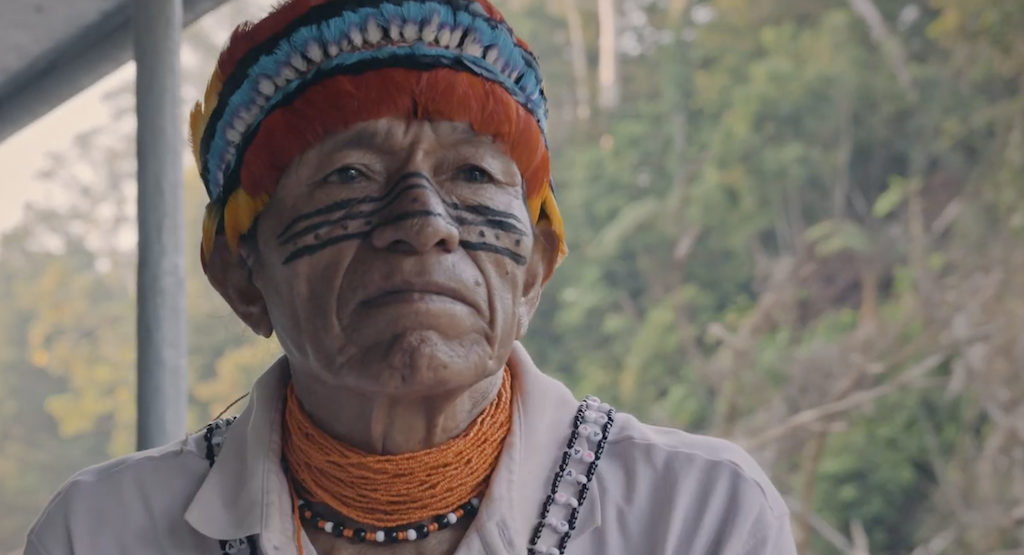
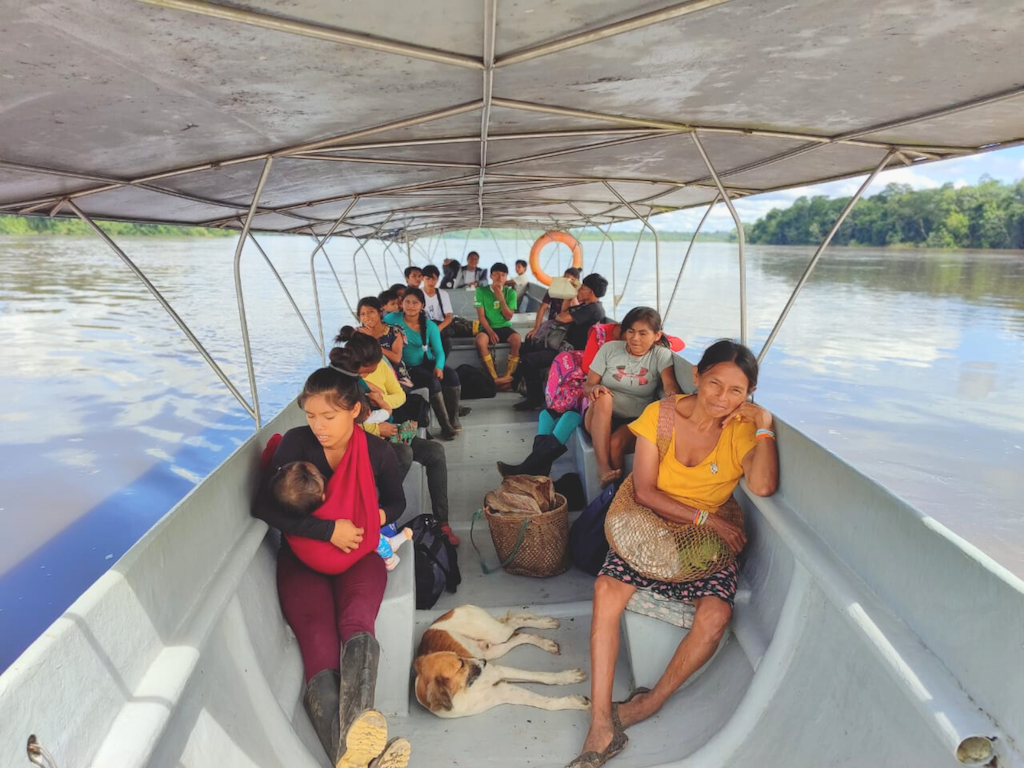
Research by the Conservation Strategy Fund highlights why this matters. In Achuar communities in Ecuador, support for road construction dropped dramatically — from 41% to just 2% — after solar-powered river transport became available.
When communities are offered viable alternatives, the perceived need for roads disappears.
Electric boats
Victron distributor Renova Energia provided equipment and training so that Kara Solar could, themselves, build launch and maintain a fleet of solar powered community shuttle boats which are now operating in Achuar territory as well as Brazil, Peru, Suriname and Solomon Islands. And Kara Solar is launching a new electric long tail peque-peque boat designed to replace ubiquitous family-sized gasoline boats. Both of these boats are familiar in form, but radically different in operation: quiet, emission-free and powered by the sun. Designed for people. Built for the unique Amazon conditions.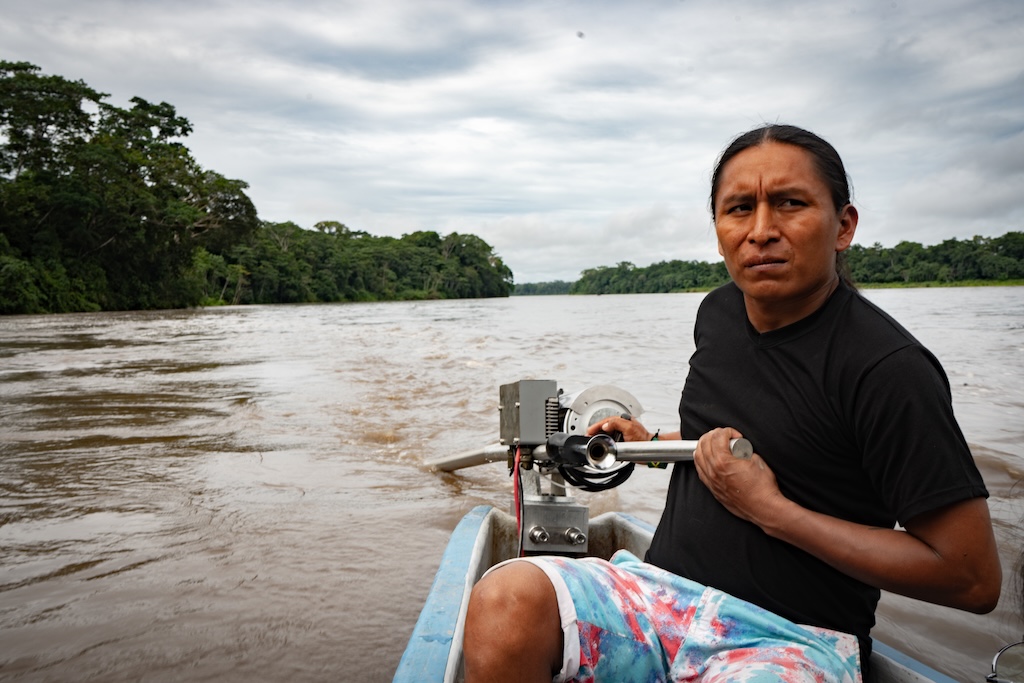
“To date, Kara Solar has supported the construction of 12 solar-powered community shuttle boats across five countries: Ecuador (in collaboration with the Achuar Nationality of Ecuador), Peru (with the Wampis Nation of Peru), Brazil, Suriname, and the Solomon Islands. These shuttle boats are between 10 and 16 meters long and can carry on average 15 passengers and 1200 kg of cargo. Some are powered 100% by energy generated from rooftop solar arrays, while others use shore based solar recharge stations, or a combination of the two.” says Oliver Utne, Founder and Managing Director of Kara Solar.
“Through our manufacturing spin-off Motores Amazonas [which is funded by the Inter-American Development Bank] we have developed a second type of boat: the electric peque-peque. Peque-peques are small boats that typically carry about eight passengers and are traditionally powered by long-tail gasoline motors. They are probably the most common form of boat in the Amazon.
“Our 5kW electric peque-peque matches the power of a typical 9-horsepower gasoline engine widely used in the region, while eliminating fuel costs, noise, and river contamination from lubricant oil. For batteries, this new motor uses Victron Lithium NG Batteries 51,2V/100Ah in combination with the SmallBMS NG battery management system, protected by a rugged container, offering a range of approximately 30 km per battery, with multiple batteries able to be used together,” he says.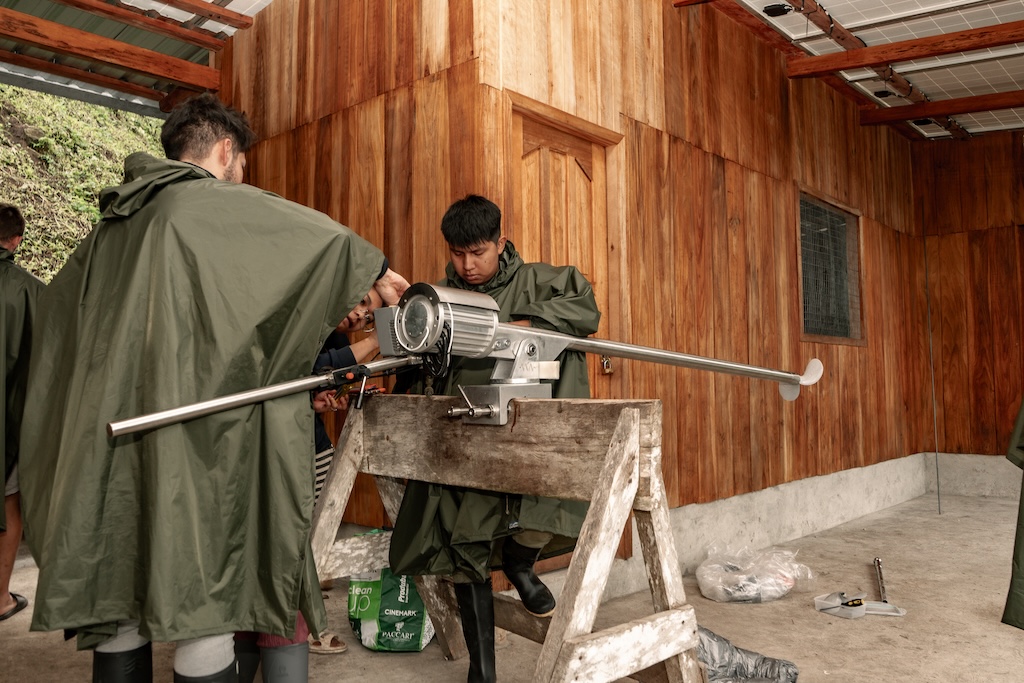
- 3x SmartSolar MPPT 150/35 solar charge controller
- 1x Quattro 3000 inverter/charger
- Solar Panels offering 5.4 kWp
- 21.6 kWh of lead acid batteries
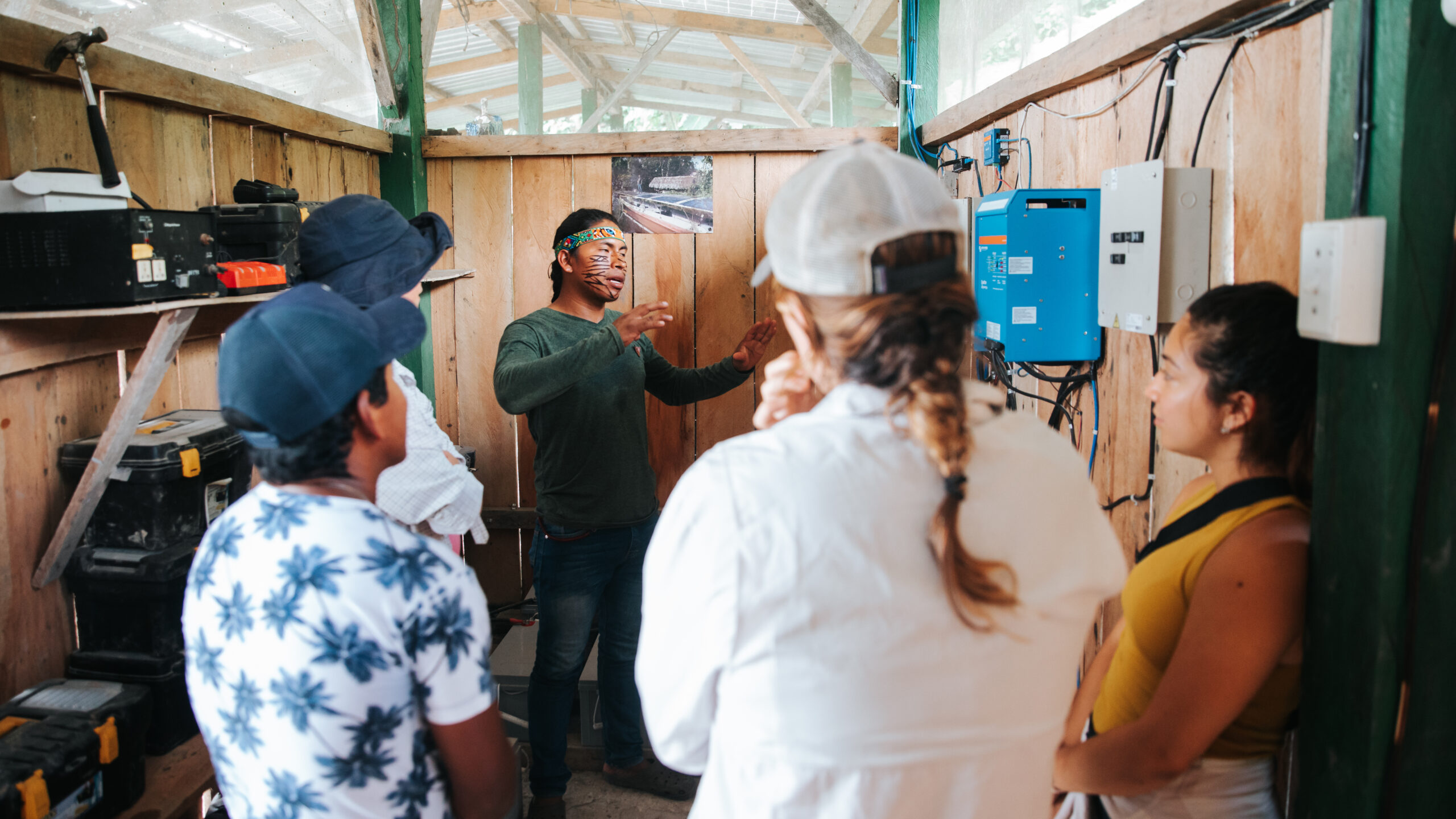
On shore the typical installation comprises
- 5x SmartSolar MPPT 150/35,
- 2x MultiPlus-II 48/3000 inverter/chargers with split-phase 220V/120V
- Solar Panels offering 8.4 kWp
- 4x 51.2 V 100Ah Lithium NG batteries offering 21kWh
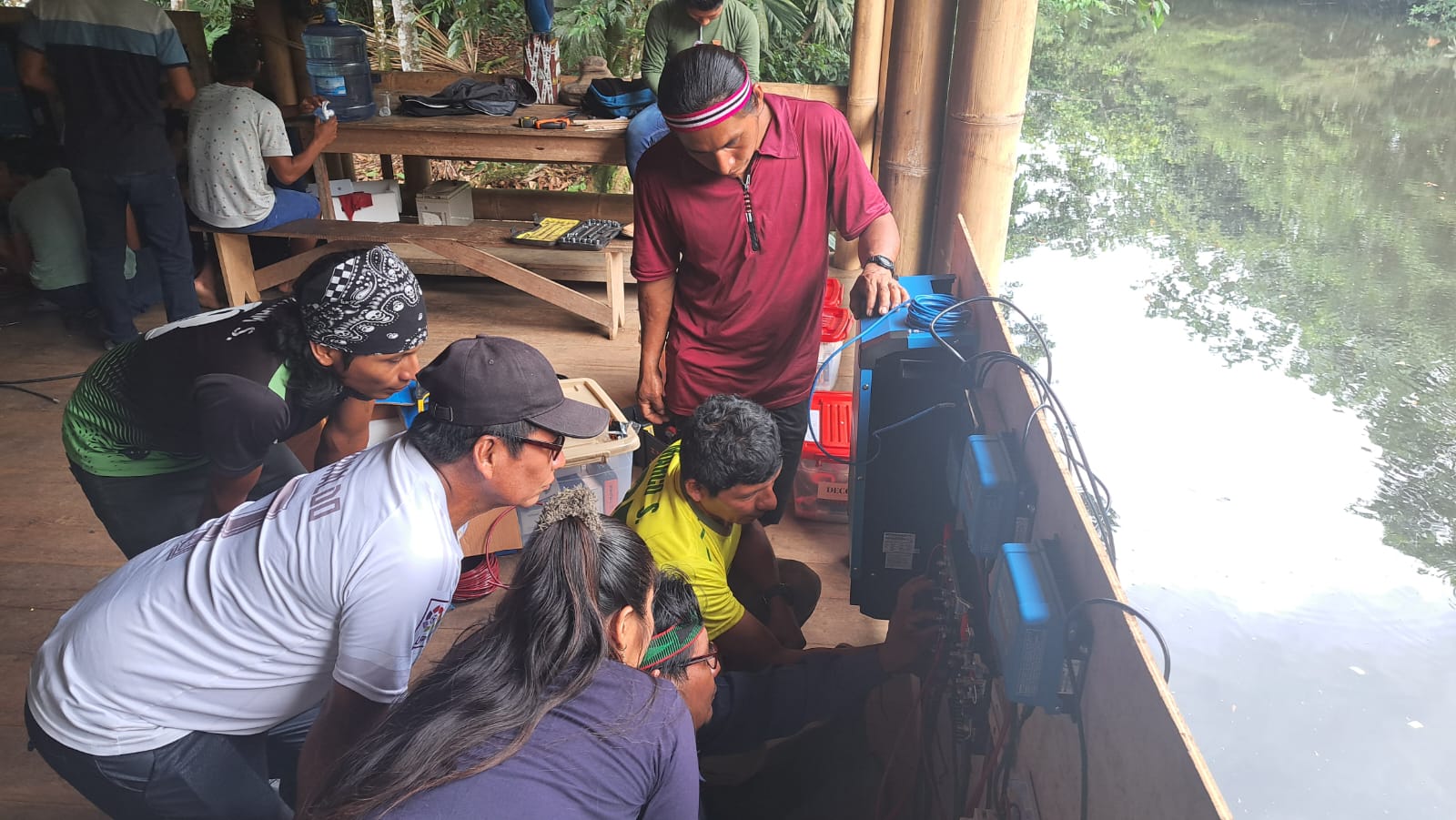
Equipment built specifically for jungle conditions – together with local technical capacity are both vital. In the vast rainforest where the nearest town might be days away, broken equipment can’t just be thrown away and replaced; it has to be repairable. Kara Solar places strong emphasis on who controls the technology. Community members are trained as technicians to operate, maintain and repair the power transport and associated powers systems, which are kept in local ownership.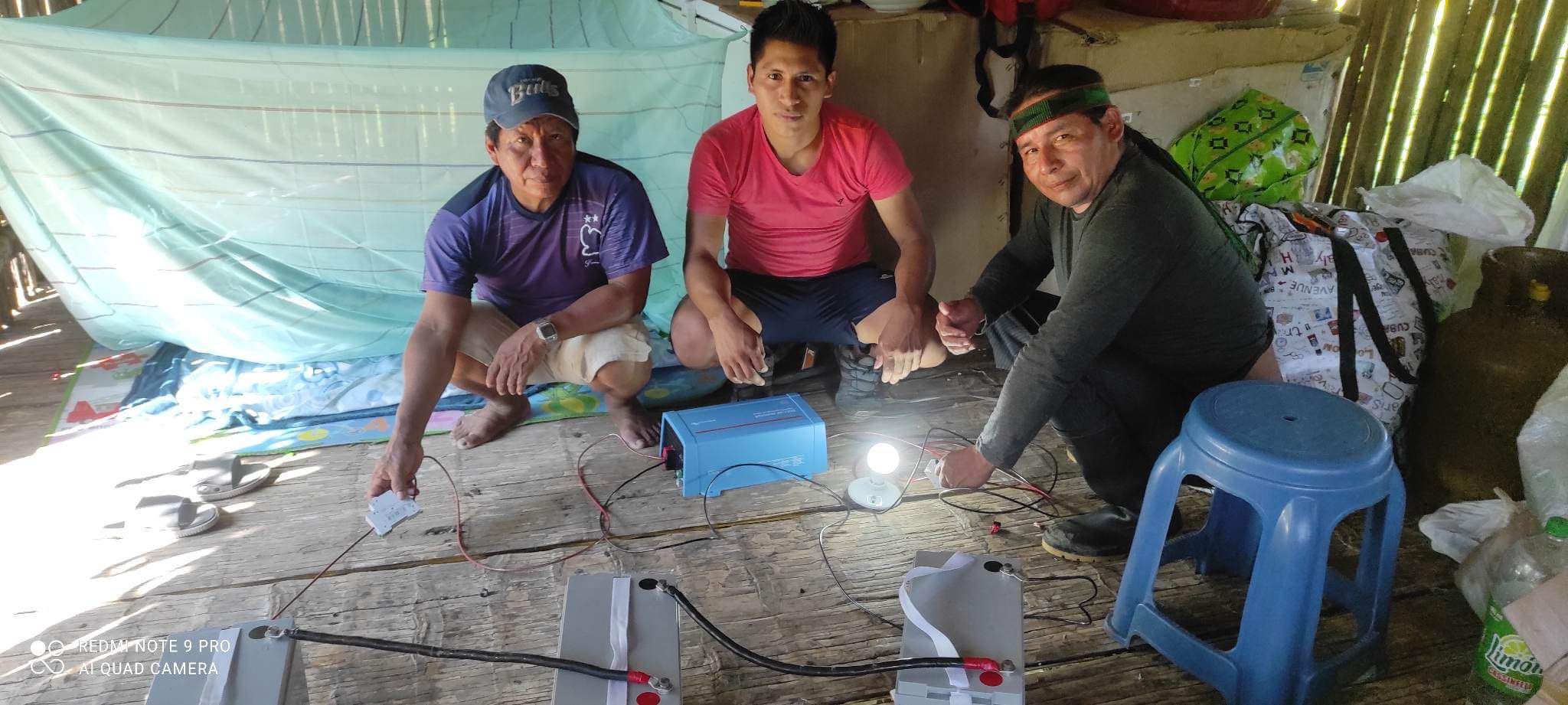
Hunting. Fishing.
For communities that rely on fishing and hunting, noise matters. Conventional petrol outboard motors disrupt wildlife and make traditional activities harder. Solar-electric boats operate almost silently, preserving the soundscape of the river and reducing fuel dependency at the same time.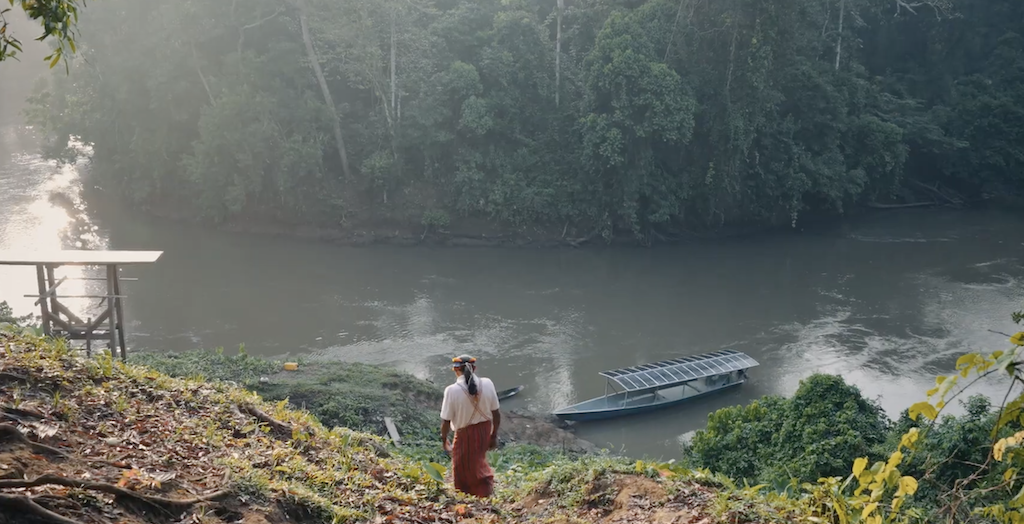
Energy systems are most resilient when local people understand them, trust them and can maintain them independently. Kara Solar’s long-term vision includes a network of Indigenous-owned solar charging stations along hundreds of kilometres of river.
These solar centres will enable reliable transport while also providing electricity for lighting, communications and refrigeration. Solar centres are important components of the transport network in Achuar territory, recharging boats and providing electricity for community internet access, local schools, community tourism centres, and conservation initiatives (such as printers, projectors, computers, public lights and charging of territorial monitoring equipment like drones, cameras, gps, and more). 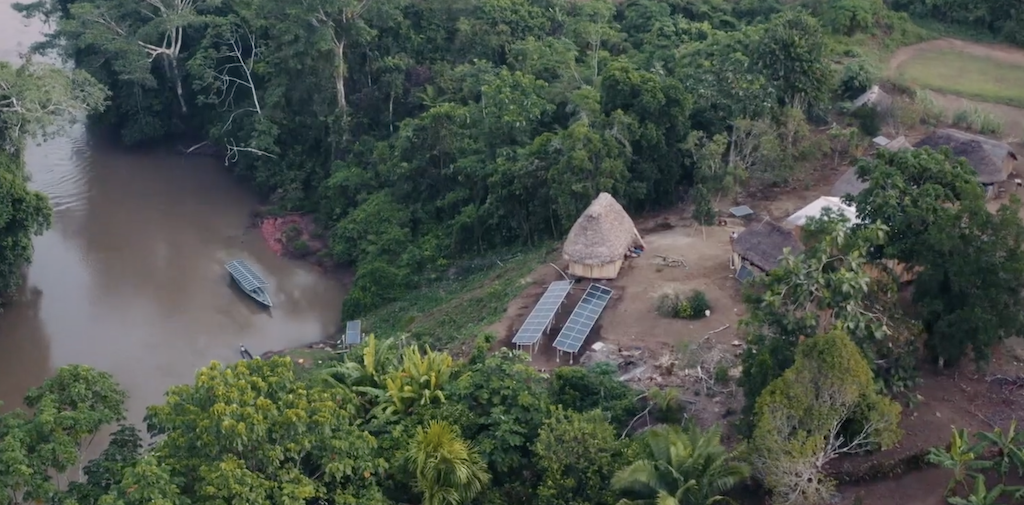
“There are also economic challenges,” says Oliver Utne; “In rural parts of the Amazon, the cost of deploying electric river transport is less than the cost of comparable gasoline boats. But because initial capital costs are higher, upfront capital is required. Indigenous Amazon communities are rich in land, but cash poor, and do not have the capital to pay the initial costs. That’s why designing the right financial and governance models specifically for the Amazon is just as important as engineering the right equipment for rainforest conditions.
“Through our Solar Rivers initiative, we are incubating funding and community governance models that catalyze the sustainable deployment of boats by allowing local boat operators to pay for equipment over time, like a leasing model.“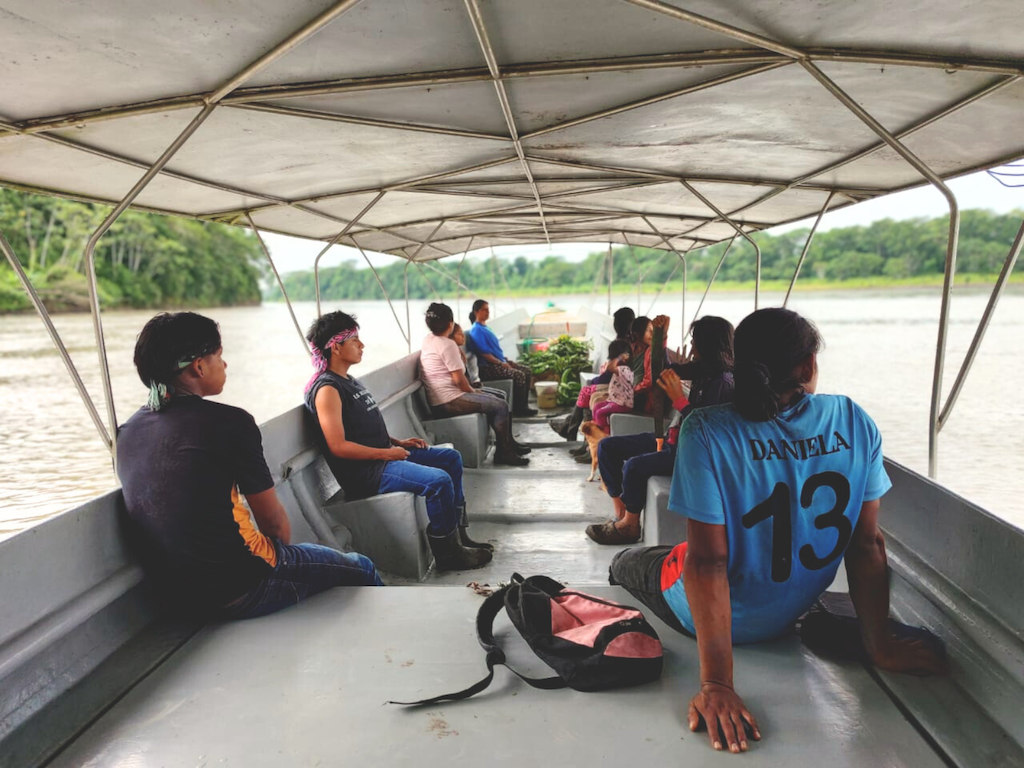
For the Amazon, the most dynamic choice may be the one that doesn’t include a road at all.
Let’s take a river trip by solar powered boat:
Become a part of the solution
Oliver says: The ultimate goal is to expand solar transport across the Amazon, with 100 small electric boats and 25 new river charging stations in Pastaza Province in the next three years, and a vision of 10,000 solar-powered boats across the Amazon rainforest by 2030. Main challenges include upfront capital costs for electric boat models, logistics of installation and maintenance in remote communities, and scaling technical training. Individuals can join this journey by signing the Solar Rivers Declaration, donating to Kara Solar on our website, and spreading the word about our dream of a solar Amazon. Institutional funders who want to join the journey and partner with us to scale solar energy and transport across the Amazon can reach us at contact@karasolar.com.