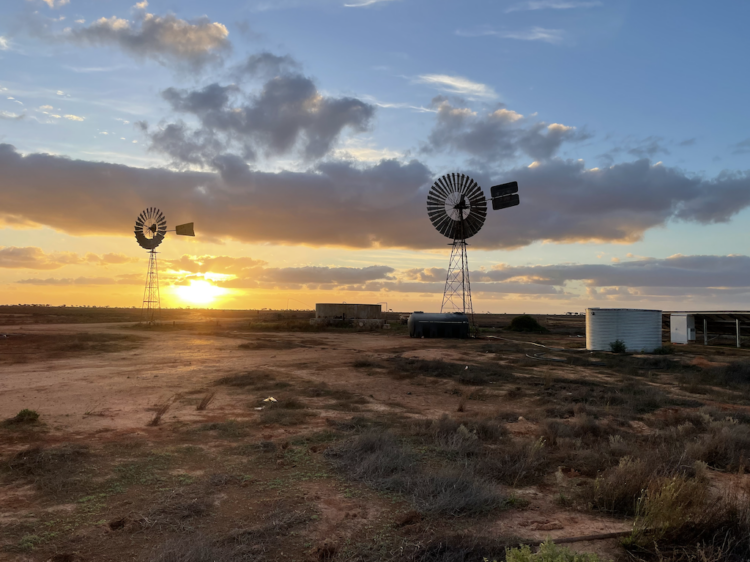
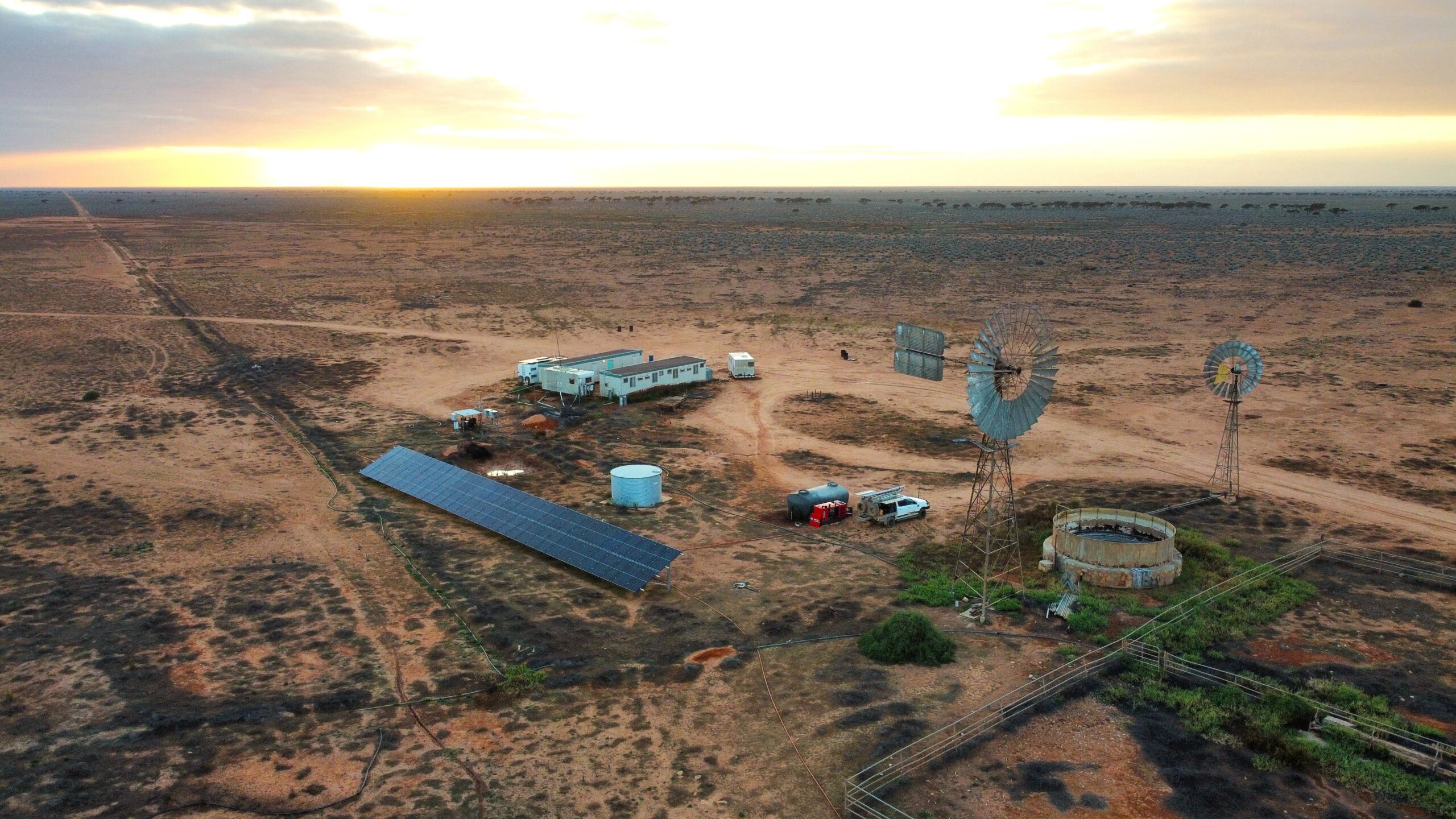
Madura Plains is a remote sheep station on Nullarbor, an arid, treeless limestone plain of 200,0000km² in south Australia.
Its viability depends on bore holes, tanked-reservoirs, and a pumping system through 1400km of water pipelines to over 200 drinking troughs.
Until recently water provision across the property relied on a variety of pumping arrangements which required station staff to visit and check water points in 118 paddocks along 380km of tracks. It’s tough on people, and it’s tough on vehicles.
Conditions are harsh, the water is sometimes brackish, and it’s worse during dry seasons.
The station was looking for a more efficient way to pump water through their network, and wanted to reduce the need for physical inspections at remote bore and reservoir tank sites.
Off-grid energy specialist MyEnergy Engineering knew how to solve both problems.
The technology they introduced wasn’t just a massive power upgrade using renewable ‘free’ electricity, but it inaugurated a new era of communication and control – providing remote tank-level information and pump operation.
Water is one of the most important jobs on the station. The system had to be designed to handle three-phase pumps with high inrush current reliably while still being practical for a remote site.
My Energy Engineering’s CEO Ciaram Granger says: “That is where the Victron equipment was a strong fit, particularly because of the way the Quattro systems can work with solar, batteries and generator backup.”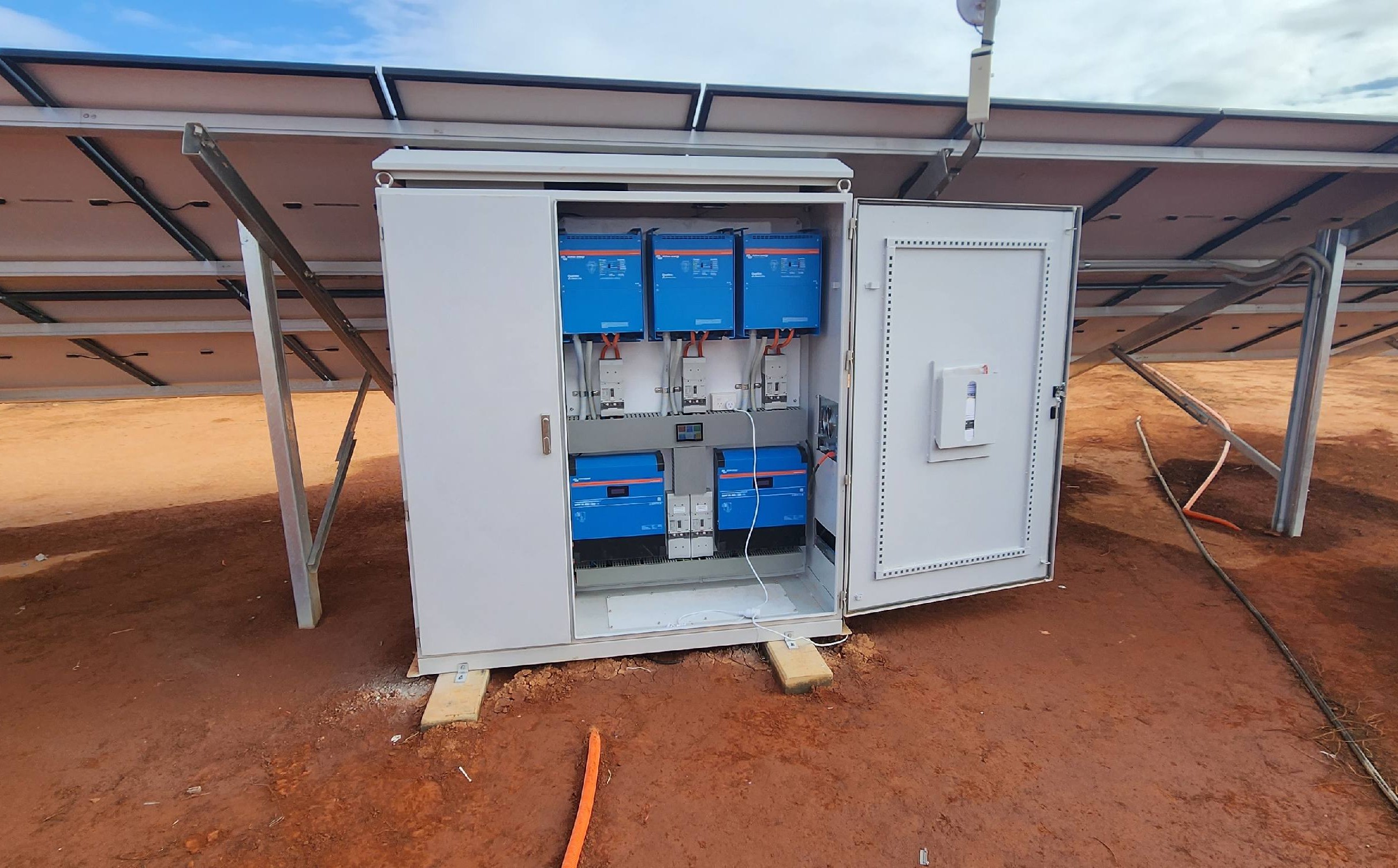
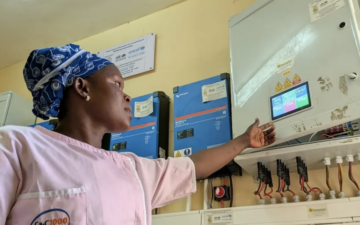
At the station’s Homestead, Quattro inverter/chargers provide 45kVA three-phase power from a 96kWh Pylontech lithium battery bank supported by a 44.28kW Trina solar array using SmartSolar MPPT RS solar charge controllers which are suitable for large PV arrays charging a 48VDC battery bank.
There are also a further three remote bore sites which are powered by three 8kVA Quattros inverters offering 24kVA and configured for three-phase supply; each installation has a 42kWh Pylontech battery bank, and a 29kW Trina solar array, SmartSolar MPPT RS and Cerbo GX communication centres. They also have backup generators for use during low-solar periods or during high-demand.
In each system the Cerbo GX communication centre maintains control over all devices. The data it monitors allows for completely automatic generator on/off control, triggered battery state of charge or high current consumption.
Using Victron Remote Management (VRM) staff can view and control water pumping sites without visiting them.
When resources – such as water – are finite, they need to be constantly monitored and decisions made according to abundance or scarcity. The Cerbo GX accepts digital inputs – in this case from water tank senders – allowing them to be monitored remotely via an internet connection, and pumps can be controlled. For Madura Plains, with its huge scale operation, this is a breakthrough in efficiency.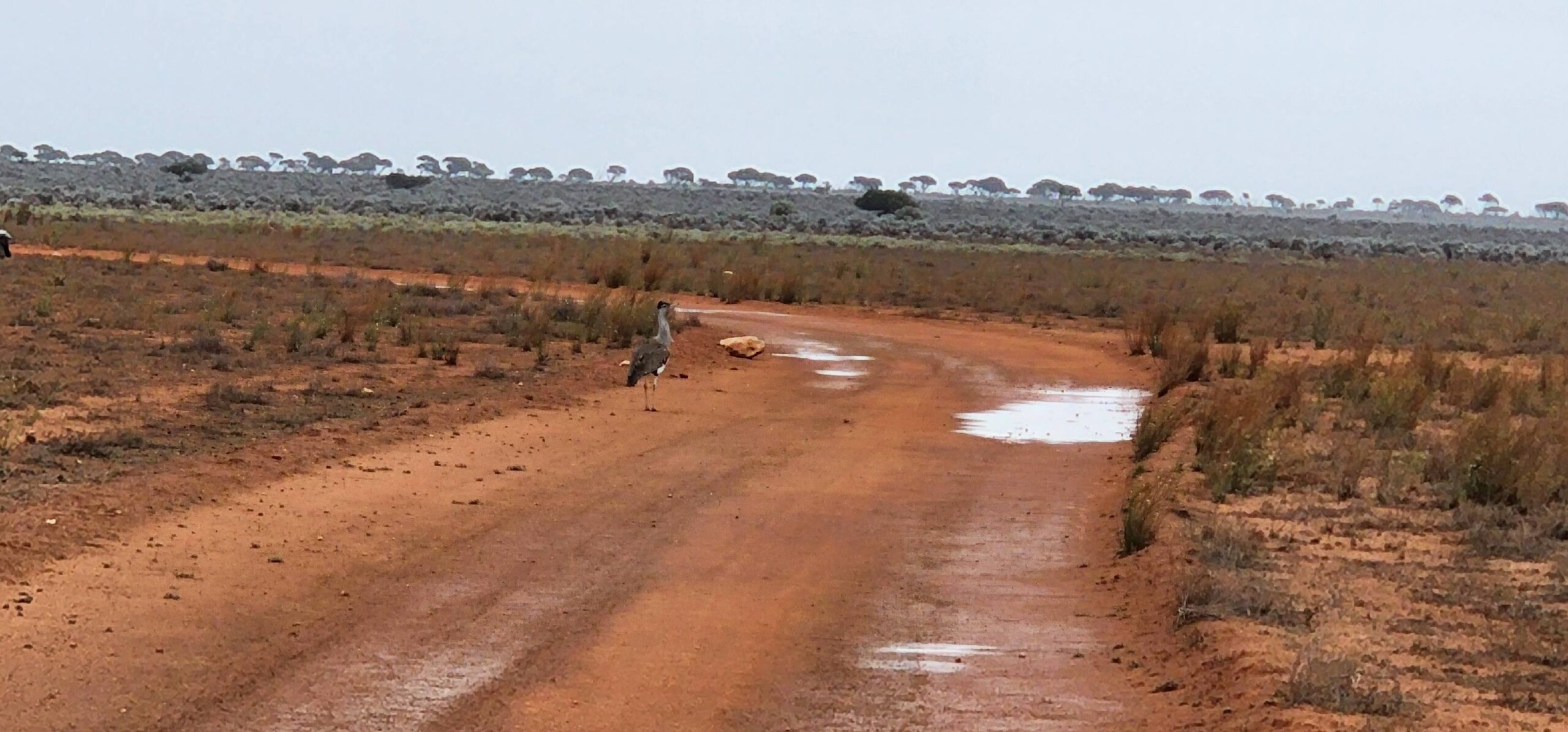
Instead of relying on in-person visits for manual checks, the pumps, tank-levels and the installation’s battery status can be monitored remotely, by fingertip. It eliminates unnecessary driving so that staff can concentrate on the areas that need attention, to solve problems which have been spotted sooner than was previously possible.
The station owner has found the improved water reliability is a real turning point for his operation. Better access to cleaner, cooler stock water allows the station to operate with far more control – especially during dry spells.
A Sense of the scale
Madura Plains has around 60,000 sheep and 3,500 Boer-cross goats. There are over a thousand kilometres of fencing which divides the station into 118 paddocks, reached by 376km of track. There’s a 10,000-head feedlot and holding yard; and the whole operation runs successfully amid the heat, dust, and remoteness of its location.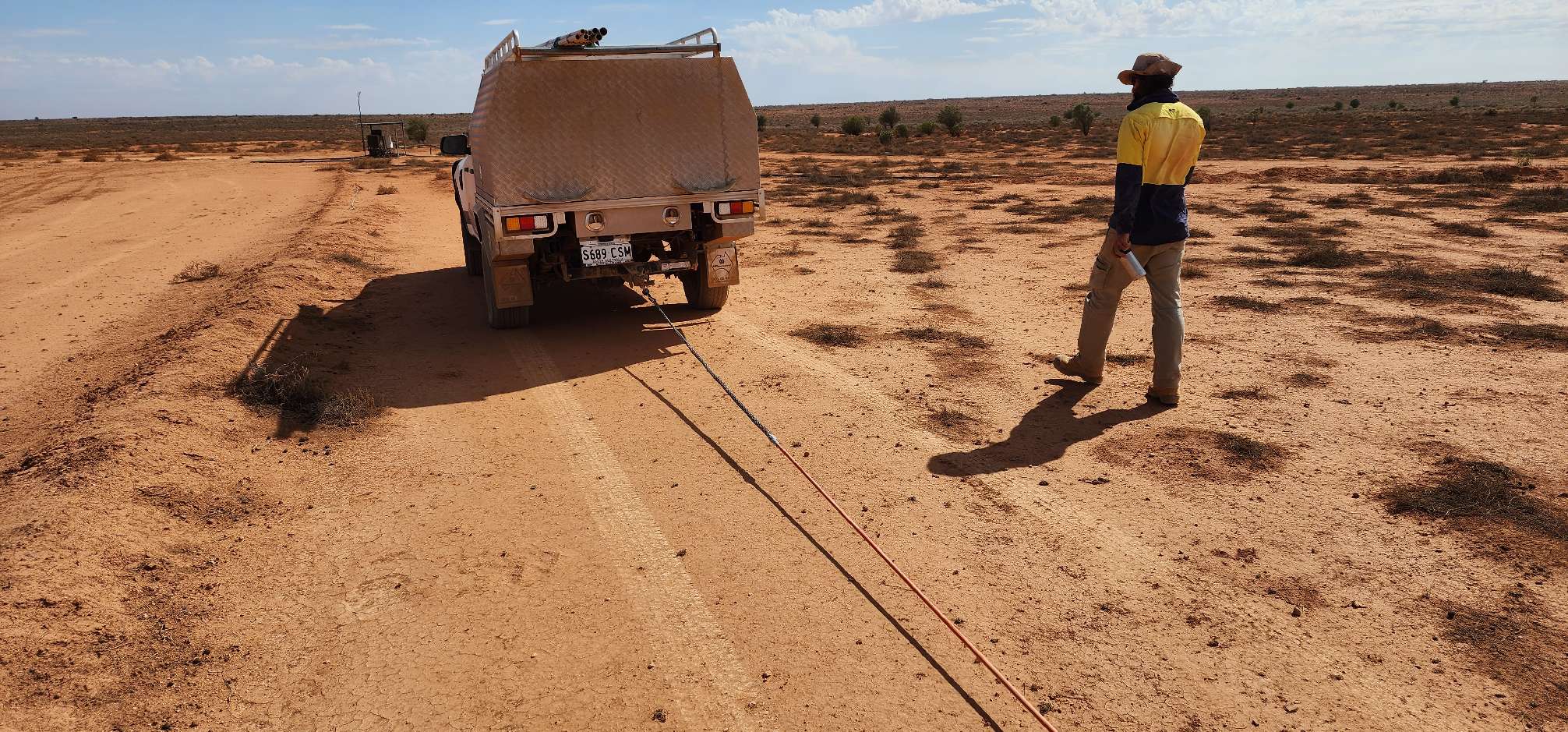
The installation challenge
Ciaram Granger says: “The challenge was to design and install a solar system with the reality of the site in mind: long distances, limited access, harsh weather – heat, dust and isolation – and the need for the system to keep doing its job with minimal intervention. Bore pumps can be demanding – especially when starting and running three-phase equipment in a remote location.”
Greg Tonkin is the lead electrician at MyEnergy Engineering, specialising in the design and installation of solar PV systems for off-grid applications. His commitment to safety, adherence to local regulations, and proficiency in preventative maintenance and troubleshooting are key aspects of his role and won him State Level (SA/NT) Master Electrician (Tradie) of the Year through the Master Electricians Australia awards in 2024.
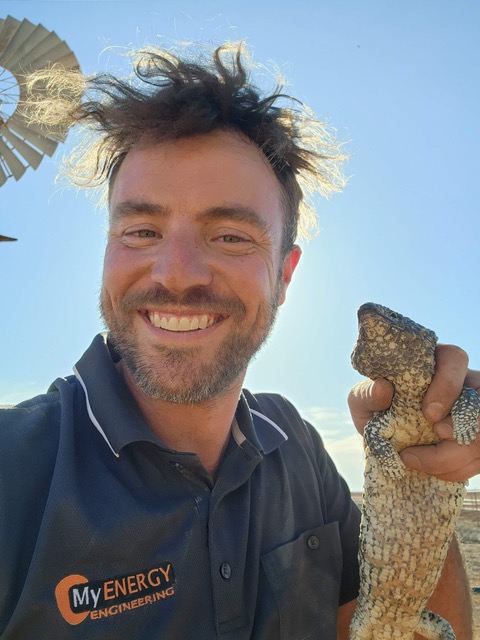
He has his own hobby farm, so he’s already good with animals. Just as well because during construction of the remote installations he and his colleagues had to camp in swags on site, sharing floor-space with hundreds of Lizards.
Speaking about what My Energy Engineering has achieved here, Ciaram says:

We are proud that the system supports the practical day-to-day running of the station – the homestead and the remote bore sites, but more importantly, it helps keep water moving where it is needed. On a property of this scale, reliable power at a bore site is not a convenience, it’s part of the station’s core infrastructure. This is the type of work MyEnergy is built for. A lot of our projects are in remote or demanding locations, including agricultural, commercial, industrial and station applications. The common theme is that the system has to be practical, reliable and matched to how the site actually operates.