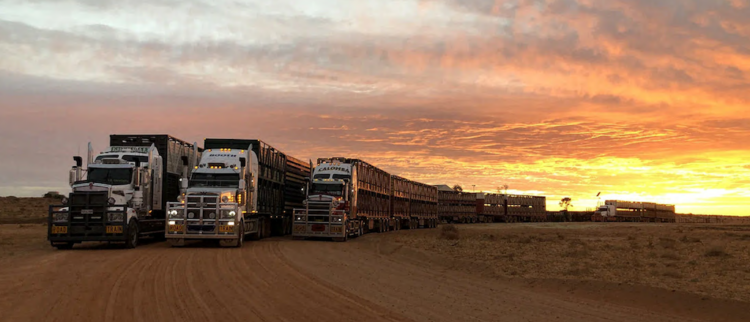
I know, I know – it’s a question you’ve been asking yourself for years: How big is the world’s largest cattle station?
Well, it occupies an area of almost 16,000km which, to put it in perspective, is larger than some countries. It’s located in South Australia; and it’s called Anna Creek.
Victron installer MyEnergy Engineering recently won the Master Electricians Australia Project of the Year award – for installations over $1M AUS – for their solar based power installations at the Williams Cattle Company’s seven stations, including Anna Creek.
The scale of the task, together with the logistics required to keep it all to schedule are baffling.
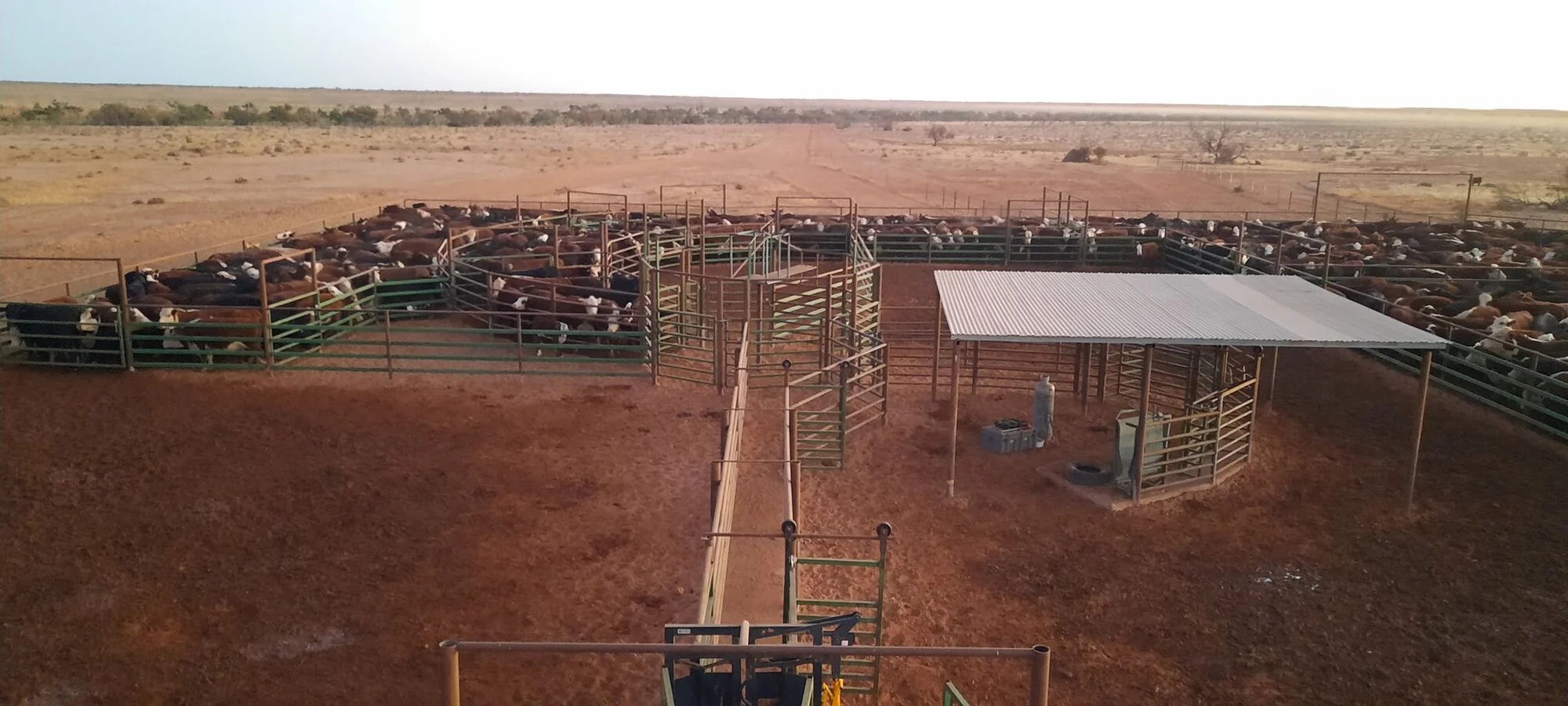
Running a generator hundreds of kilometres away from towns and cities brings headaches of its own …getting fuel supplies, sourcing engine parts for maintenance and servicing – or calling out an engineer if something’s actually gone wrong.
Even when the generator goes down with a problem you can solve yourself, there’ll be no power until you’ve put it back together again.
Quite apart from that, running a generator as your sole source of power is the most expensive way to produce electricity.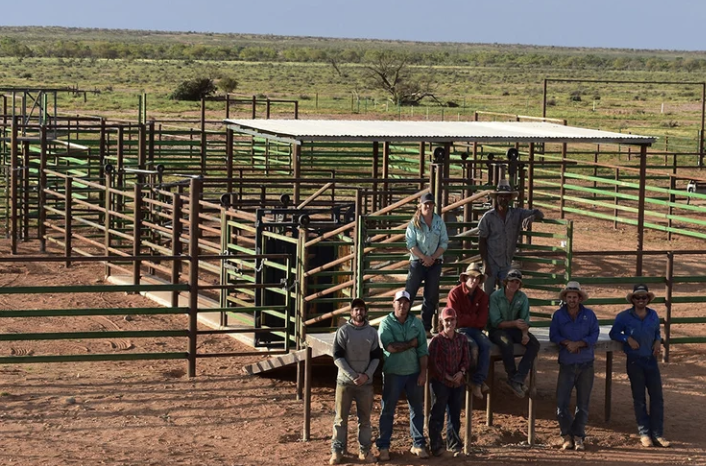
The station uses electricity to run agricultural plant, and for the comfort of the farm hands. There’s air conditioning, refrigeration, kitchen equipment and radio communications, together with the station infrastructure of pumps and cutting rooms.
Seven cattle stations in the region are owned by Mathew Williams whose family bought their first station in 1967 – acquiring Anna Creek ten years ago. Today all the William’s stations benefit from solar power.
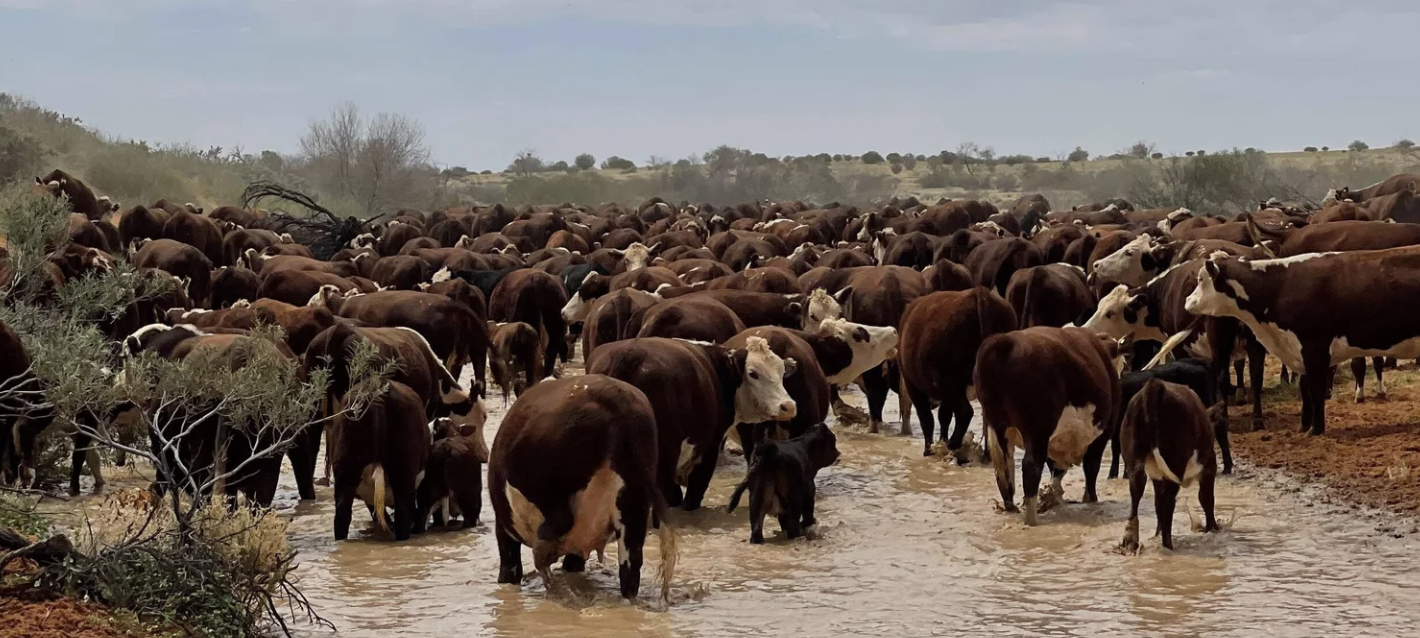
Each station has a manager and up to eight hands including a cook . Together they are responsible for rearing approximately 17,000 cattle - Poll Hereford, Angus and Angus-cross. Overseeing the calving and seasonal fattening operations is work they carry out to the highest standards – and for which the station has a number of Organic and husbandry accreditations including:
- Southern Cross Certified:
- National Standard for Organic and Biodynamic Produce (DAFF/IOAS)
- National Organic Program which use the USDA benchmark.
- Never Ever Beef Program: Through Greenham and Humane Farm Animal Care.
The new solar power installation comprises 70kWp of solar panels. Three Fronius Symo 20kW AC-coupled solar inverter harvests part of the solar energy produced in order to power AC loads directly during the day.
A SmartSolar MPPT RS 450/200 solar charge controller sends solar energy to the Pylontech US3000 lithium battery bank which has a capacity of over 150kWh available for use day or night.
Six Quattro 48/10000 inverter/chargers configured for three phase provide AC power from the battery bank. The Quattros, running as battery chargers, will also redirect surplus current from the Fronius AC inverters toward the batteries, and are able to control the charge current from the Fronius devices through frequency shifting.
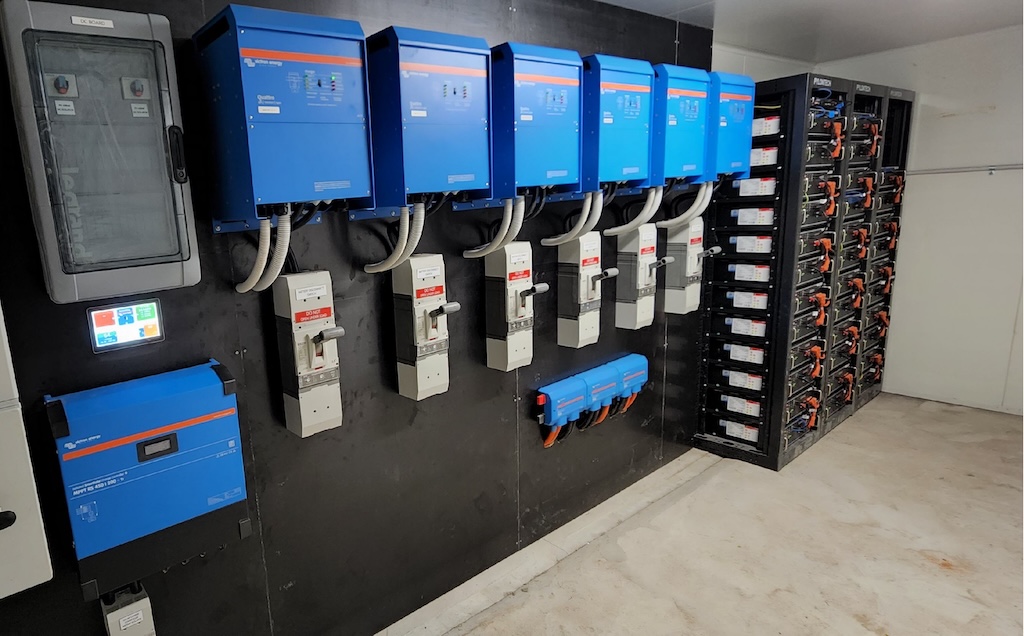
A Cerbo GX communication centre provides data communication between all attached devices maximising harvest, controlling power sources and triggering, for example, and automatic start up for the site’s generator which has been retained as emergency backup. An autostart will be triggered whenever a predetermined threshold has been reached – such as low battery state of charge, or voltage; or to meet high levels of power demand.
The Cerbo GX also provides local monitoring and control via the touch screen user interface – the GX Touch 70 and also allows the system to be monitored and controlled by MyEnergy Engineering at the touch of a button – in spite of the fact that their office is a ten-hour drive away – via the free-to-use platform Victron Remote Management (VRM)
VRM is available to all Victron users and is available direct from a smart phone using the VictronConnect app.
Lynx Distributors – modular DC busbars with monitored fuses and LED status display – help to keep the installation really tidy.
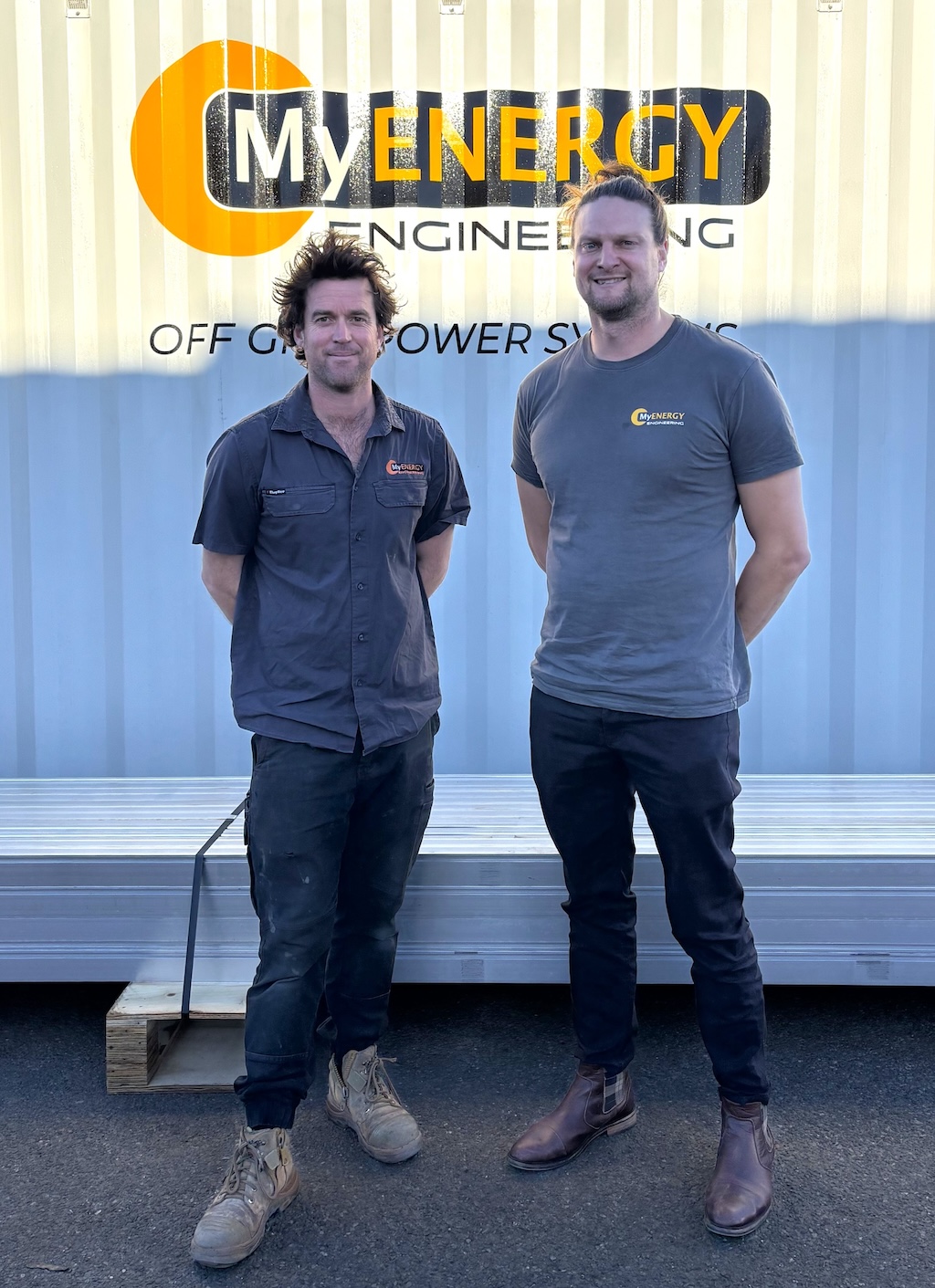
Lead electricians Sam Addis and Nick Battista
Ciaram Granger, Managing Director of MyEnergy Engineering says that the greatest challenge was the station’s remote location:
“Everything had to be carefully planned because additional materials, equipment or support could not simply be collected nearby. The system has to cope with high temperatures, dust and the changing loads of an operating cattle station, and we are proud to have delivered, reliable, around-the-clock power at one of Australia’s most iconic and remote pastoral properties.
“In an area where the main operational challenges are remoteness – limiting access to services; low and unreliable rainfall, drought, heat and dust; in the event of electrical anomaly remote monitoring and intervention becomes particularly important.”
Anna Creek was one of seven remote area power systems MyEnergy delivered for the Williams Cattle Company at a cost of more than AUS$1.5 million. The sun now guarantees twenty four hour uninterrupted power, silently, and a reduction to virtually zero maintenance.
- Anna Creek and other station images used in this article have been reproduced from the Williams Cattle Company website.