Defend is a conservation organisation which partners with governments to give wildlife and wilderness the military-strength defence it deserves.
They choose to operate in the toughest wildlife parks – those facing imminent species collapse due to severe poaching, inadequate resources, and failed management.
Through a disciplined, military-style approach to conservation, Defend works to rapidly stabilise and restore these vulnerable areas, turning them into safe havens where wildlife can recover.
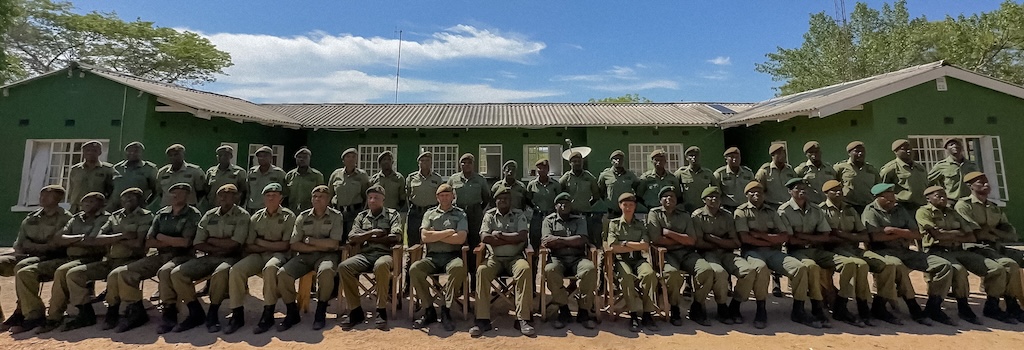
At the core of Defend’s work is the belief that protected areas require an anti-poaching response equal to the threat they face. Defend therefore prioritises the deployment of highly effective law-enforcement operations, with a strong emphasis on anti-corruption, accountability, and field performance. Defend teams operate as a single unit alongside local wildlife authority staff, under one unified chain of command. This integrated model delivers a scalable, efficient, and high-impact solution that significantly reduces costs while maximising conservation outcomes.
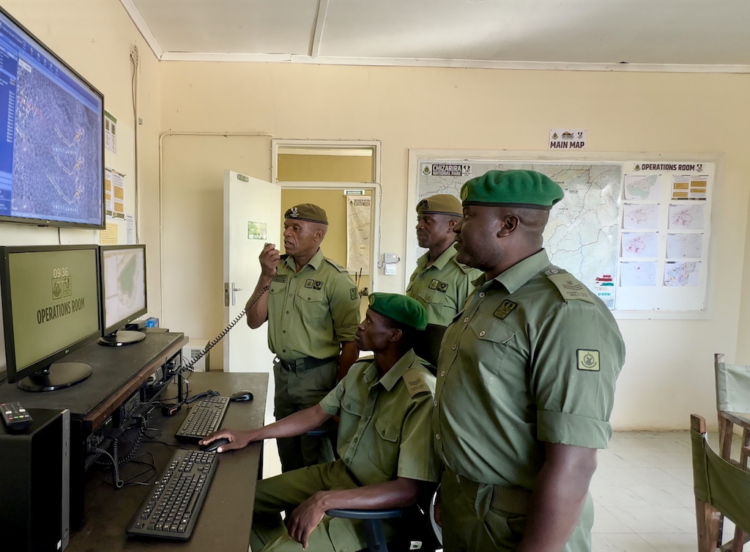
In parallel with field operations, they combine proven park-management practices with modern technology to transform how protected areas are run. Their in-house electronic park management system, EPARCS, equips park staff with rugged iPads that streamline everything from patrol planning and vehicle management to stock control, incident reporting, and finances. All operational data is shared in real time with government partners, ensuring full transparency and informed decision-making.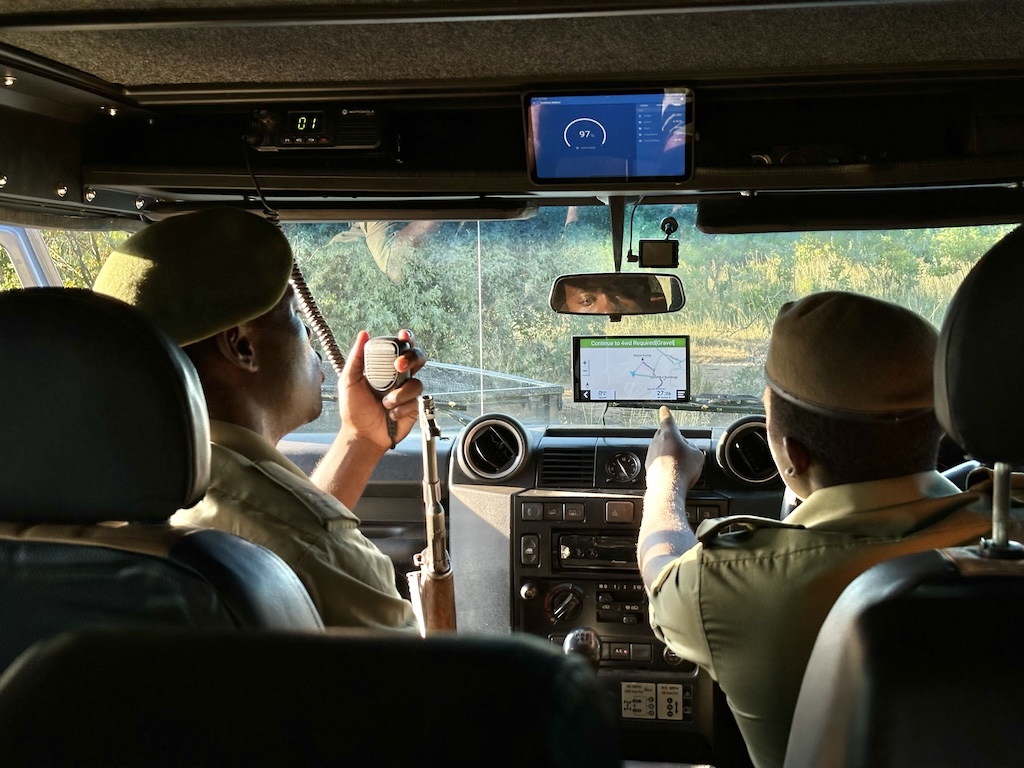
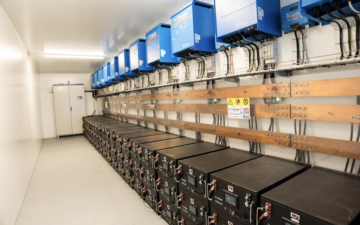
The EPARCS logging, communication and control system can be operated remotely thanks to autonomous power systems which have been install both at HQ and into a patrol vehicle.
The power system design and installation were overseen by Victron’s Zimbabwean distributor One Stop Solar, and by James Davey and his installers of Solar by Design.
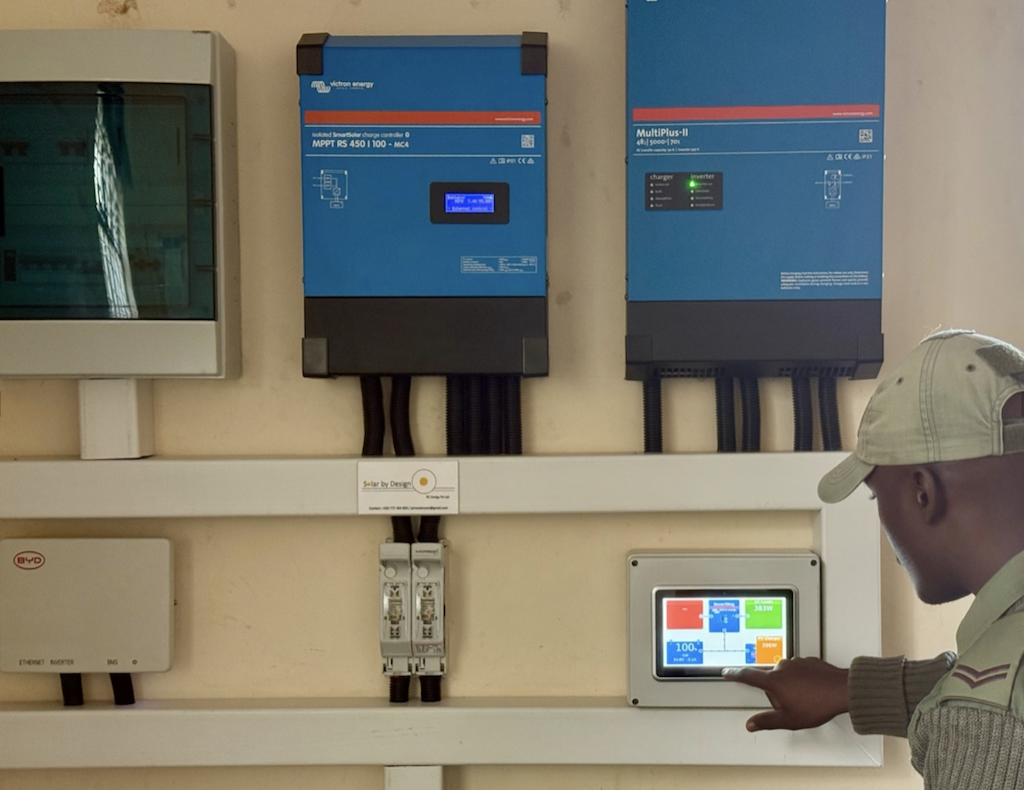
The systems comprise – for the HQ Command centre:
1 x MultiPlus-II 48/5000/70 Inverter-Charger
1 x SmartSolar MPPT RS 450/100 solar charge controller
12 x 590w solar panels
1 x Ekrano GX communication centre passed data between all installed devices and to GX Touch 70 user interface, from which status, settings, and firmware updates can be managed.
3 x BYD LV5 Batteries – totalling 15kWh of stored energy
And for the Quick response vehicle:
1 x SmartShunt 500A/50mV battery monitor
1 x IP65 Blue Smart Charger 12/15
1 x 200Ah 12v Freedom Won LiFePo4 Battery
1 x 460w Solar Panel
1 x SmartSolar MPPT 100/50 solar charge controller
1 x Orion TR-Smart 12/12 – 30A DC/DC charger for dual battery installations
1 x Inverter VE.Direct 250VA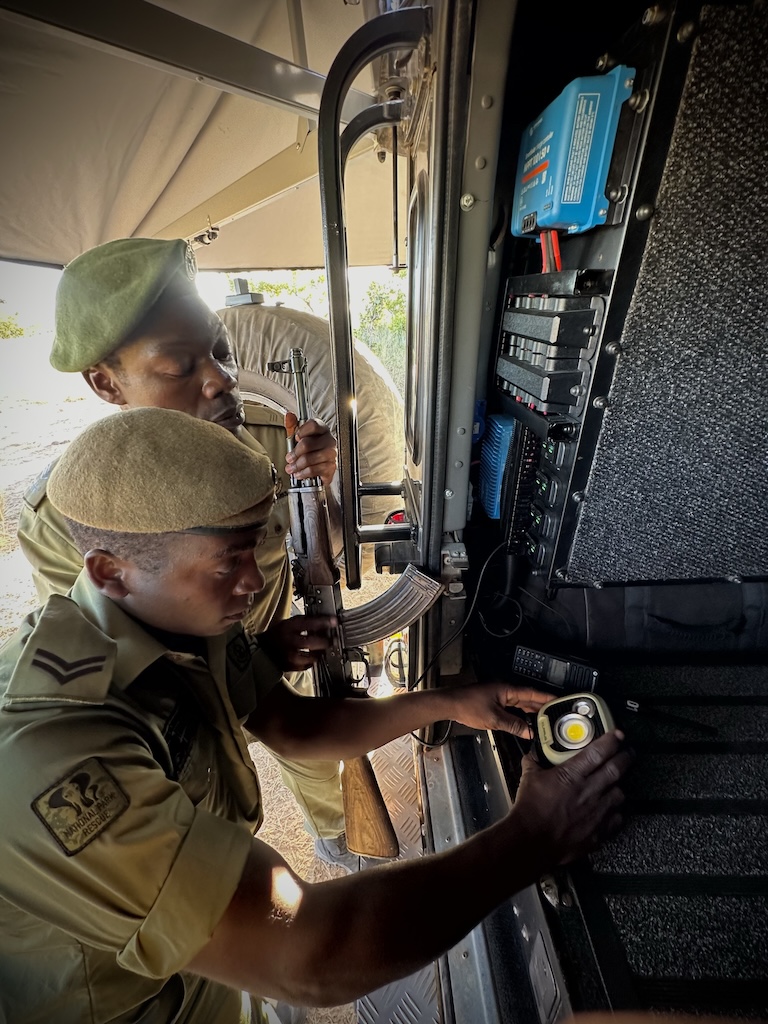
The Vehicle can patrol and communicate with HQ for extended periods due to its versatile and autonomous Victron energy system which harvests energy from roof mounted solar panels during sunlight hours and also from the alternator whilst driving.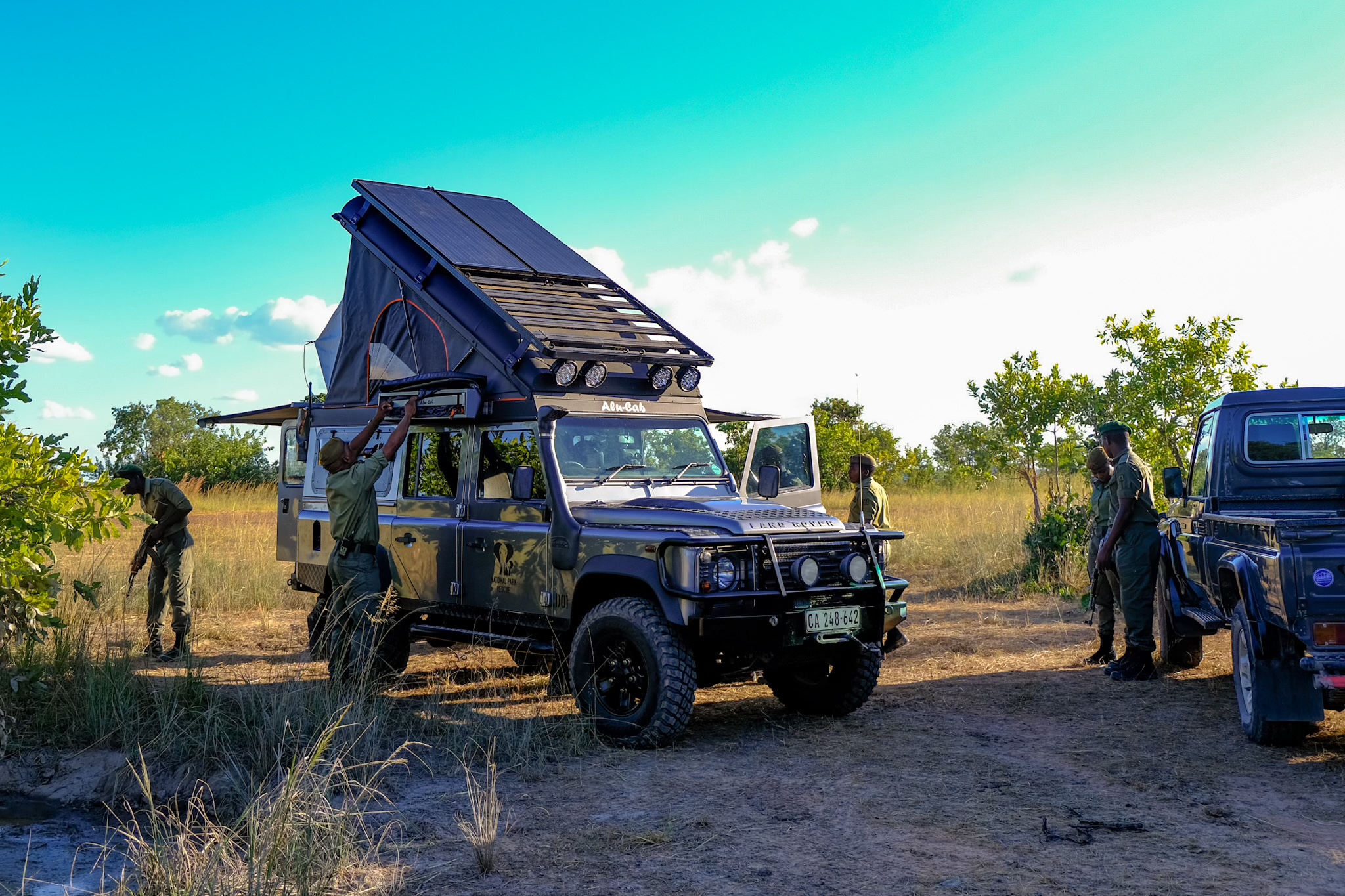
Community engagement
For wildlife conservation to work, local communities must benefit. Employment, trade, and education boost wellbeing and significantly reduce the incentive to poach and trade in wildlife.
More than 90% Defend’s staff are local people, with priority always given to those living in a protected area’s surrounding communities. Defend acquire food and supplies from local farmers and retailers through their Community Rations Supply scheme.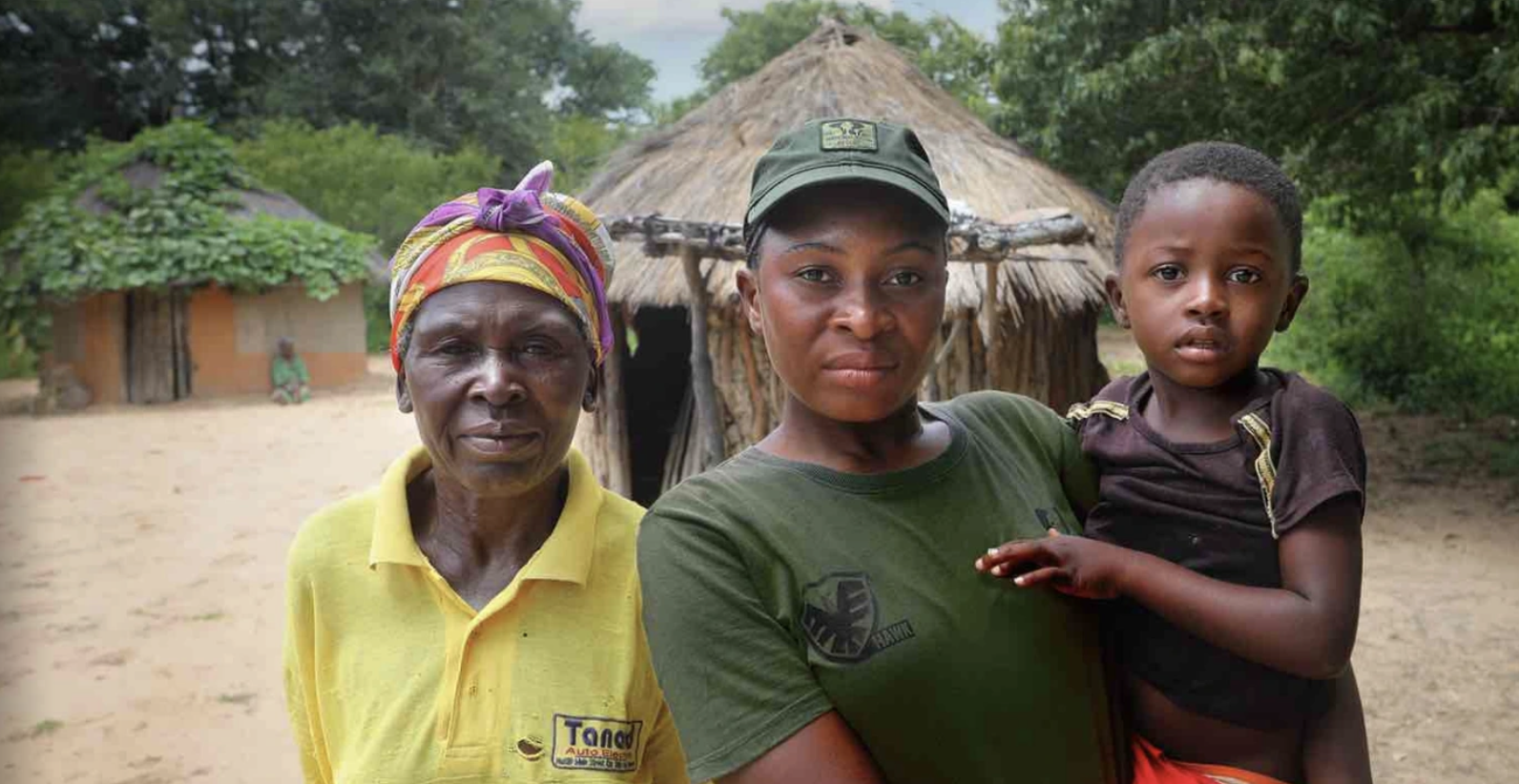
Defend also addresses all the critical infrastructure required for effective operation, degradation of which often cripple heavily poached parks: Roads, vehicles, power, water systems, communications, housing, and office facilities are restored or rebuilt to enable effective patrols and to provide rangers with safe, liveable environments.
These improvements are essential to sustaining morale and performance in one of the most demanding and dangerous conservation roles in the world.
Snare recovery.
The impact of this holistic approach is already visible. In 2016, Zimbabwe’s Chizarira National Park was labelled one of Africa’s most-poached parks. Seven years into Defend’s ongoing rescue mission, patrol coverage was increased, poaching pressure has been reduced, and elephant populations are now rebounding — demonstrating that effective protection, strong partnerships, and the right technology can deliver conservation success.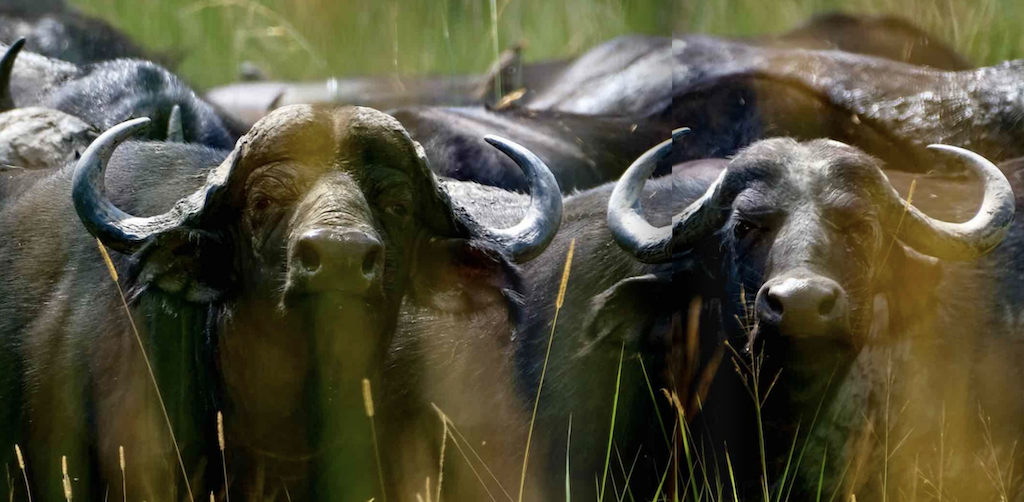
You can support their work by becoming a donor.