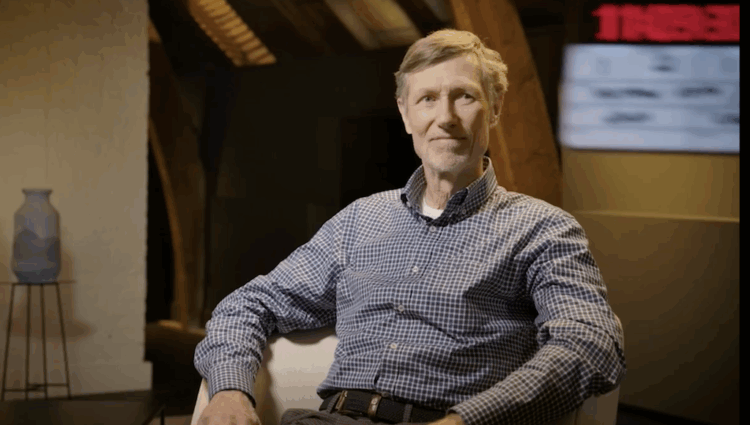
This year marks the 50th anniversary of Victron Energy.
Let’s meet the man who founded the company – Reinout Vader – who still works everyday.
How did the company begin?
The inspiration to launch Victron Energy came about in an unusual way:
Whilst at university studying Physics, Reinout decided to have an aquarium in his room to make the place more homely – he would collect the sea-life for it, himself, from the warm waters of the mediterranean 1200 kilometers away.

In order to pay for the journey he offered to collect specimens on behalf of a public Zoo, and an Aquarium – they both agreed, providing him with a list of their needs and an advance payment. The zoo also lent him an inverter to keep the water oxygenated and filtered from battery power during the return trip.
Having successfully gathered the shopping list of sea creatures, he hadn’t gone far toward home when the inverter failed. Having just a few hours to save the marine lives he stripped the inverter, identified the failed components and was fortunate to find an electronic component supplier, close-by, whose stock enabled him to make the repair. The inverter ran perfectly. thereafter, and the trip was a success!
Identifying a Business opportunity
Back home, Reinout learned that inverter failure was normal in the industry. The cause of failure was usually overload. Realising that he could build better inverters, and discovering that the biggest market for them was among the skippers and owners of inland waterway vessels – thousands of whom, in the mid 1970’s, were buying new Colour Televisions, which could only run on AC power. At that time Inverter failure was the biggest headache for Chandlers – so when Reinout offered them inverters which wouldn’t fail they bit his arm off! 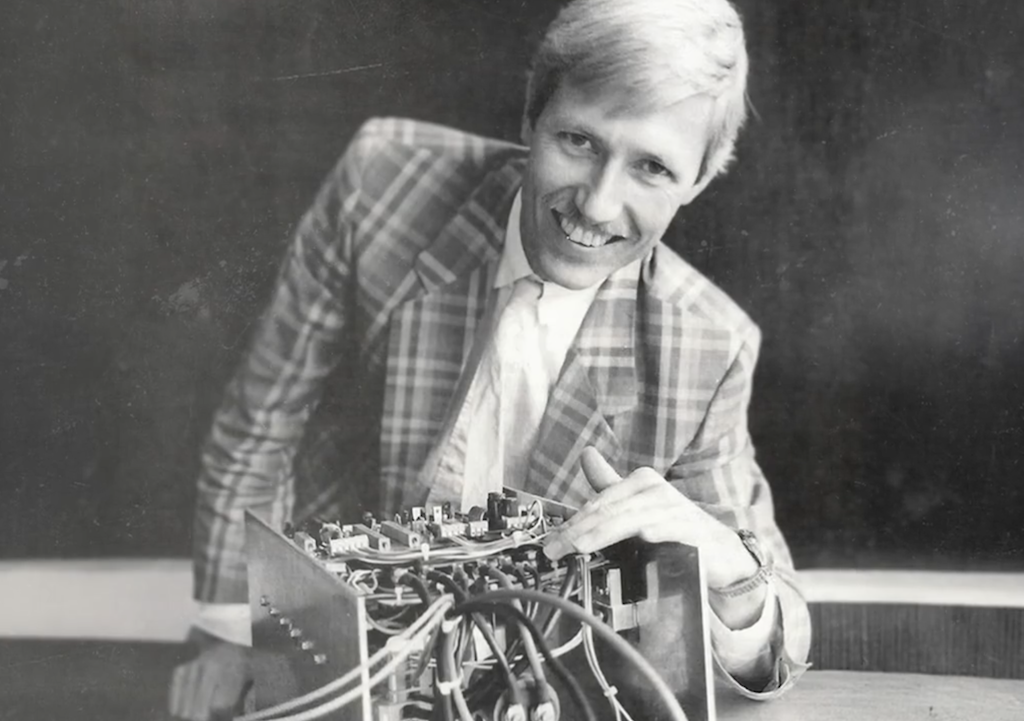
He decided to launch Victron and go into production with breadboard Inverters. To make his tiny company appear more substantial Reinout added a range of products to the price list which he had never actually made – but knew he could make on demand!
Growth from reputation
The secret of success was attention to detail during the build process: quality components, built to last with the right circuitry and topology.
A reputation for reliability quickly grew – but the company was small and served a local market. Not for long… because the East Germany Railway Company, a large employer in East Germany, was having trouble with its Inverters through overloading and from vibration. Failure resulted in no power to the Buffet Car, no lighting, and dead power sockets for premium ticket holders. Reinout provided the railway with some ‘trial’ units – which were entirely successful – but before placing a very large order the East German Railway company wanted to visit the Victron factory as part of its Due Diligence.
Reinout says: “If they had seen the size of my tiny premises at that time, there is no way they would have placed the order!”
To make the company appear larger, he and his business partner hired a large hall and moved all their plant, fixtures and fittings into it. Then they invited some associated companies to move in to help fill the space!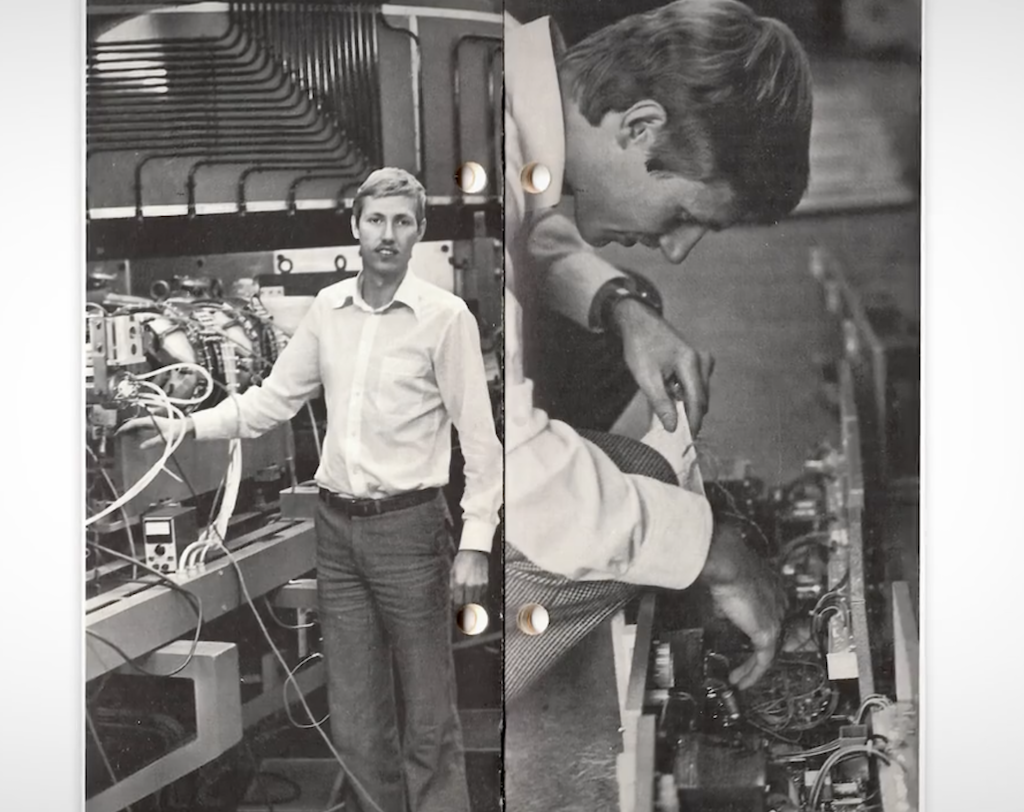
“My business partner drove our Railway visitors around in his smart Jaguar to tour more associated manufacturers premises – giving the impression of multiple-site manufacture. Our visitors were entirely satisfied with what they saw and Victron became a state contract supplier.”
Expanding the product range
The core business – Inverters and Chargers for the Marine and Mobile markets – was expanded by building Uninterruptible Power Supply (UPS) systems, for the computer market.
Retaining the Marine and Mobile business under the name Victron Energy, Reinout took a sailing sabbatical; but a year later to save the company from failing under its new management he returned and was quickly able to bring it back to profitability through streamlining, increasing sales, and through financial investment.
Further expansion came from the introduction of products for Energy Storage Systems (ESS) – which was a global marketing opportunity …but a highly competitive one.
“We subcontracted our Product Build to the far east in order to keep up with demand of 30% annual growth – and this decentralisation also allowed us to concentrate on research and development of new products and software.” he says.
Software integrations – a new era of innovation
“Having identified software integration as a company weakness in the early 2000’s, I asked my son Matthijs – a software specialist with his own company – to work on two major projects for Victron Energy.“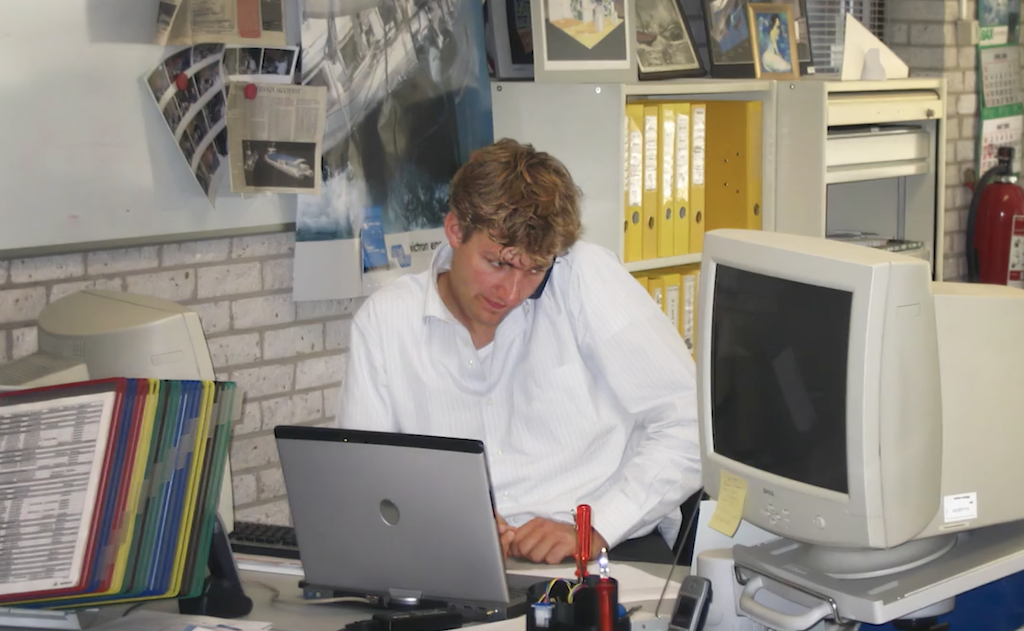
The success of those projects made it clear that Matthijs should join the company as chief executive, bringing with him a new focus on operating software and user-interfaces for system programming, management, and monitoring.
These integrations proved to be a game-changer – the resulting application software and operating systems are widely acknowledged, today, as industry-leading technologies, allowing cross-manufacture networking and intuitive programming, management and monitoring tools which can be accessed both on site and remotely using Victron Remote Management – VRM. And the decision to make Victron’s data protocols open-source proved attractive both to advanced corporate users with unique operational requirements, and to knowledegable amateur system builders. 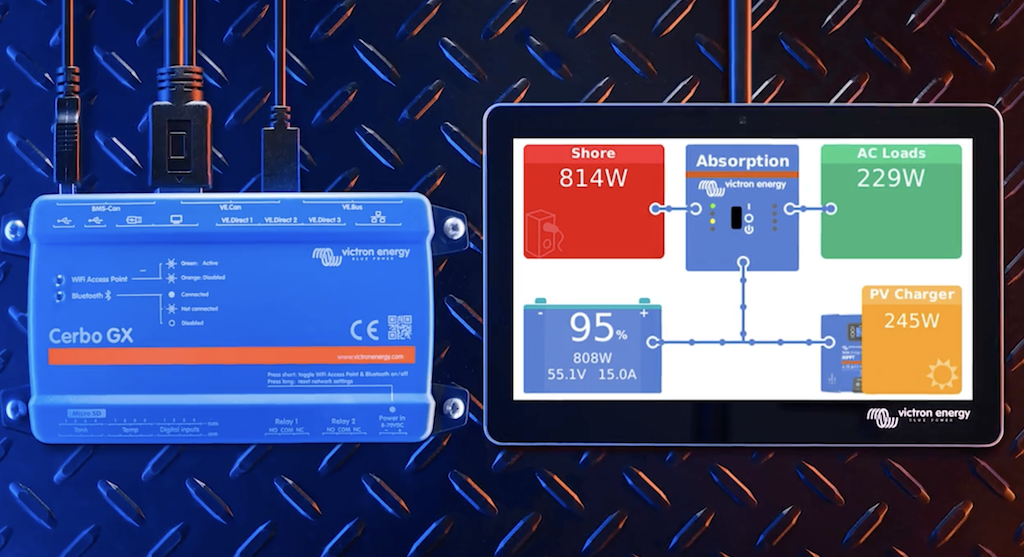
Hands-off Management Structure accelerates change
Working with the minimum management structure, team members in every department of the organisation are free to innovate: they choose the goals; they choose the method by which they can be achieved. This allows new ideas for product improvement, new methodology, and the launch of entirely new employee-inspired projects.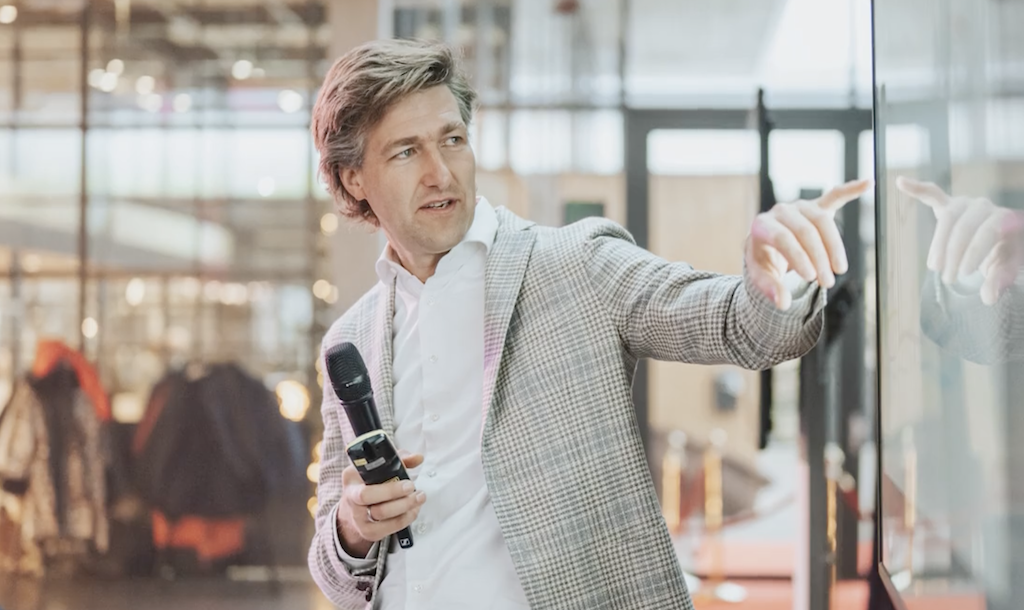
As a result, Victron Energy is a happy and sociable work place – an exciting melting pot where experimentation and innovation is encouraged and shared to create products and applications no one has seen before! 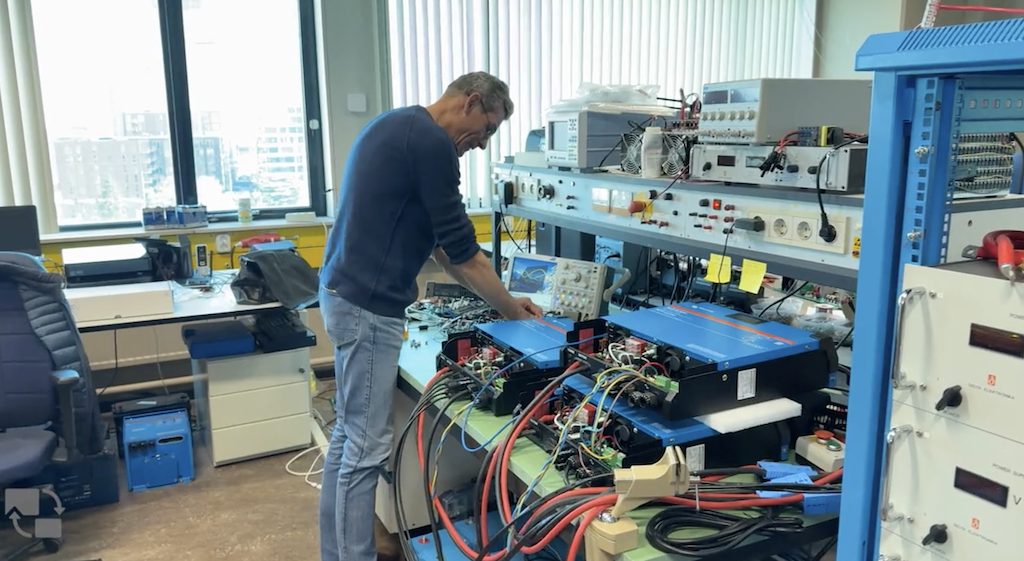
Victron people can try-out, and grow; and everyone wins.
Responding to Challenge – Covid
Worldwide lockdown during the Covid pandemic of 2020 resulted in component shortages, greatly extended delivery times (sometimes of more than a year) and led to liquidations, staff reductions, or business contraction for many seemingly resilient companies around the world. But the experience at Victron Energy was entirely different: Reinout says: “I could foresee shortages – particularly of semiconductors – and decided to invest in bulk-purchasing of all the components we would need to secure our manufacturing capability. This allowed us not just to continue operation, as before, but to meet an unexpected spike in demand for our products arising from the pandemic-inspired aspiration for self-reliance, and energy security.” 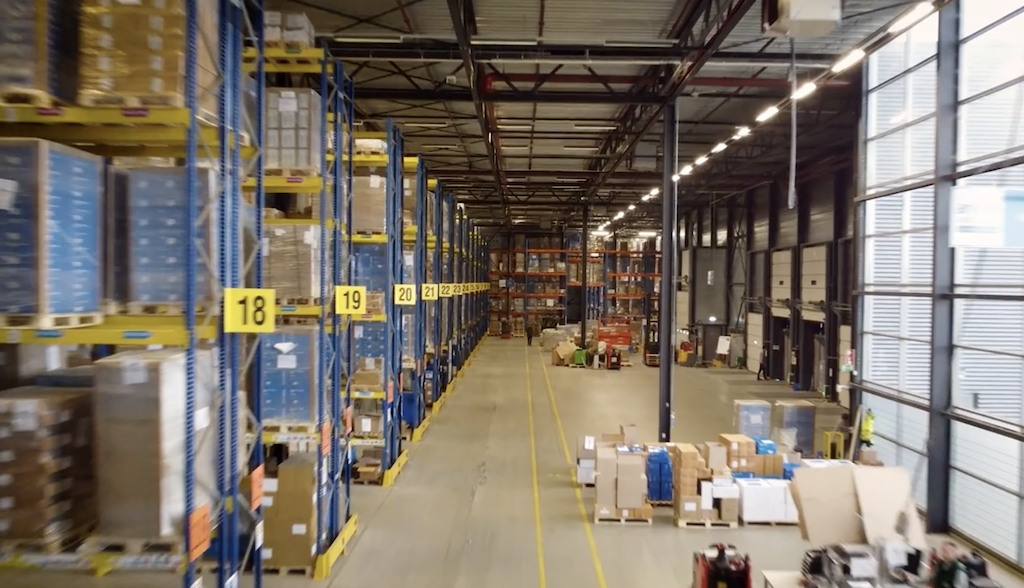
Working with People
Even after fifty years Reinout attends the office five days a week because he enjoys the fun and excitement of working with people. “I take care of everything related to Hardware and I really enjoy the energy of our project teams as they work to implement improvements, or to develop new products with greater capacity, improved efficiency, or smaller unit-size, or higher voltage …and bring them to market.
It’s the social aspect of working at Victron Energy which makes it enjoyable.”
Not every dream comes true…
Around 25 years ago a Sterling engine powered DC Generator known as the Whisper Gen was attracting a lot of interest for its silent operation – but suffering from reliability problems.
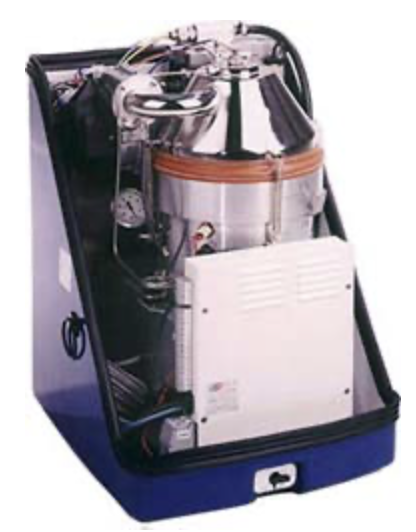
In that device, a naked flame burned diesel fuel to drive a four cylinder engine by hot/cold (thermodynamic) cycling of pressurised (to 28bar) Nitrogen …which in turn drove an alternator.
The unit was capable of providing 5kW of heat and 750 Watts of power, and were available with either a 12 or 24VDC output. Inherently inefficient, the great advantage of these devices was its quietness – just 50dBA at 7m …similar to a domestic refrigerator.
Reinout says: “I was quite excited by the product and knew I could sort out the reliability problems if I could get to work directly with their engineers;” (even though others including (Koninklijke) Philips had tried and failed!)
I approached the manufacturer with a proposal only to discover that their company had just been sold to new owners – who didn’t understand the engineering problems they were dealing with. The new management structure was so complex that I found it impossible to work with the shop-floor engineers to sort out the problems without interference from above.
Eventually the company folded and I had to let the project go – but it’s a missed opportunity I still regret twenty-five years later!
Readers may think he has achieved quite a lot – even without perfecting the WhisperGen.
Victron Family
At the same time as congratulating Reinout Vader, his son Matthijs, I know both of them will wish to deflect any praise away from themselves…
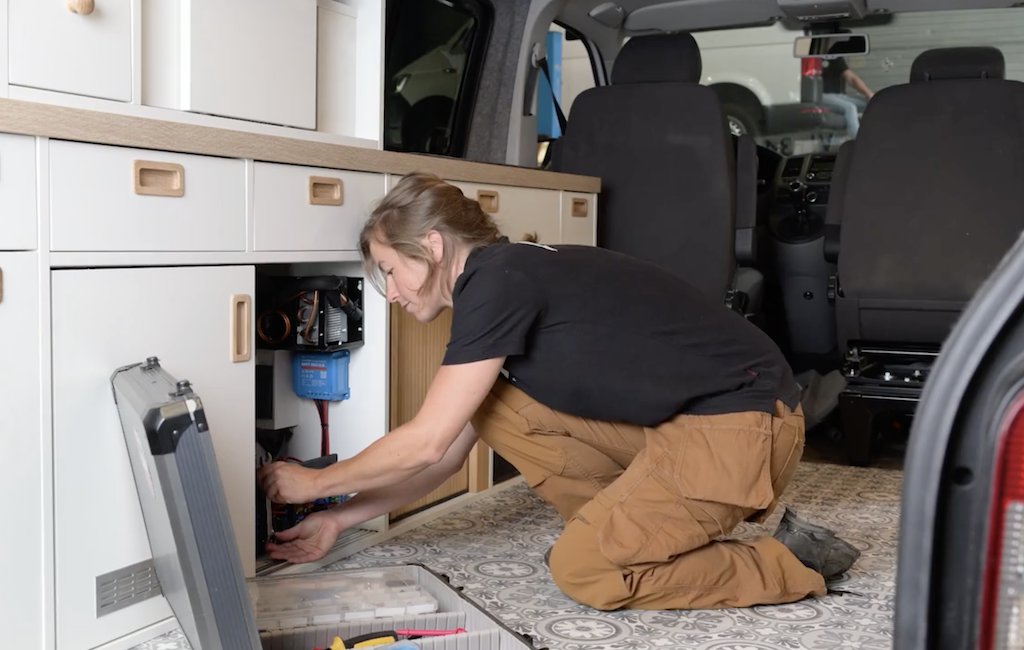
…and heap it instead on past and present staff, customers, distributors, installers, and on all in the Victron Community who discuss, brainstorm and feedback their experience and ideas. All those mentioned are valued beyond estimation. Thank you!
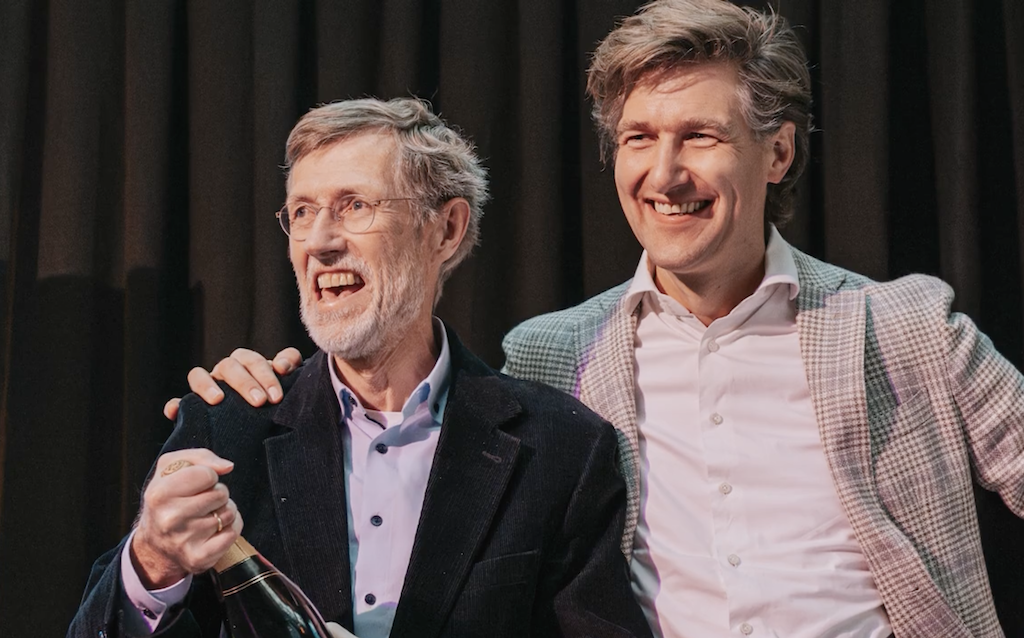
Let’s meet Reinout and Matthijs and take a look behind the scenes
For more information take a look at this video by producer Jono and the team which features full interviews with Reinout and Matthijs Vader, and takes us behind the scenes at Victron Energy.
Secret of Success?
Reinout is a keen rower of eight-oar water craft. Perhaps rowing is a good metaphor on how to achieve fifty years of corporate success?
Pull more than your weight, keep harmony with the other oars, and most of all – deserve to win!