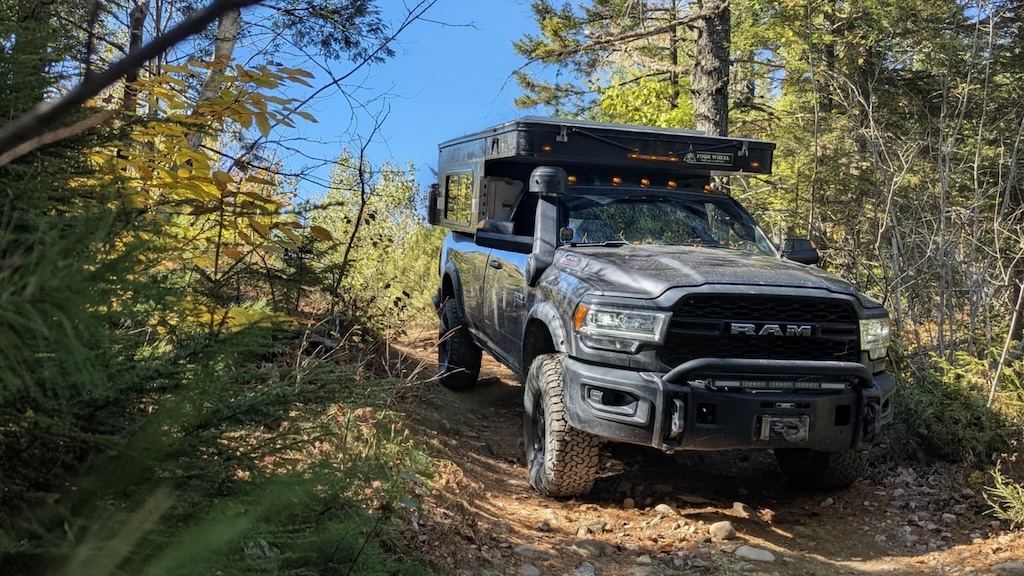
“I ordered my AEV Prospector and Four Wheel Camper in December 2020, took delivery in September 2021, and began full-time overland travel in October 2022. My journey has taken me through virtually all of the 48 contiguous United States. I particularly enjoy traveling Backcountry Discovery Routes (ranging from 150 to 1,500 miles), exploring vast National and State Forests (from 100,000 to 3.5 million acres), grasslands, and other remote wild places.”
This week let’s meet Chet Szymecki – who posts on well-known RV community boards as RamblinChet. Data from Chet’s meticulous research and record keeping will be useful to many leisure explorers who are interested in worry-free mobile power, without plugging in.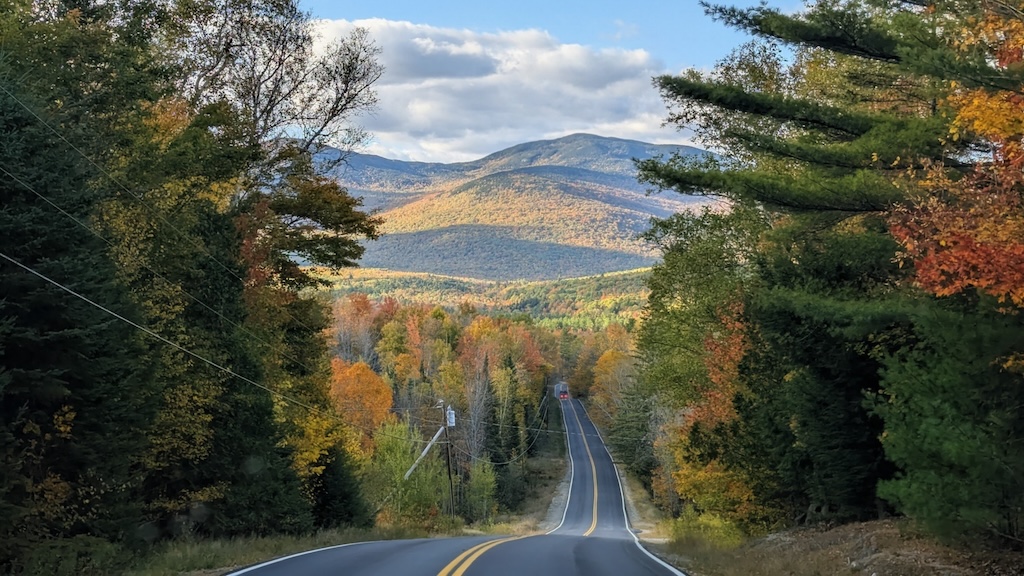
“A key question I had was whether a properly engineered solar power system could sustain daily needs without relying on a generator, shore power, or frequent interventions. The data shows that it can – and reliably so.”
On the roof of his RV he has two solar panels rated at 250W each. Chet’s travels take him through Forest and mountain – as well as the plain – so that his panels are often in partially-shaded locations. The biggest power load in his set up is a National Luna 80L refrigerator, which is always on. He also charges his laptop, phone, LED interior lights, a fan, and Bluetooth speaker, among other loads.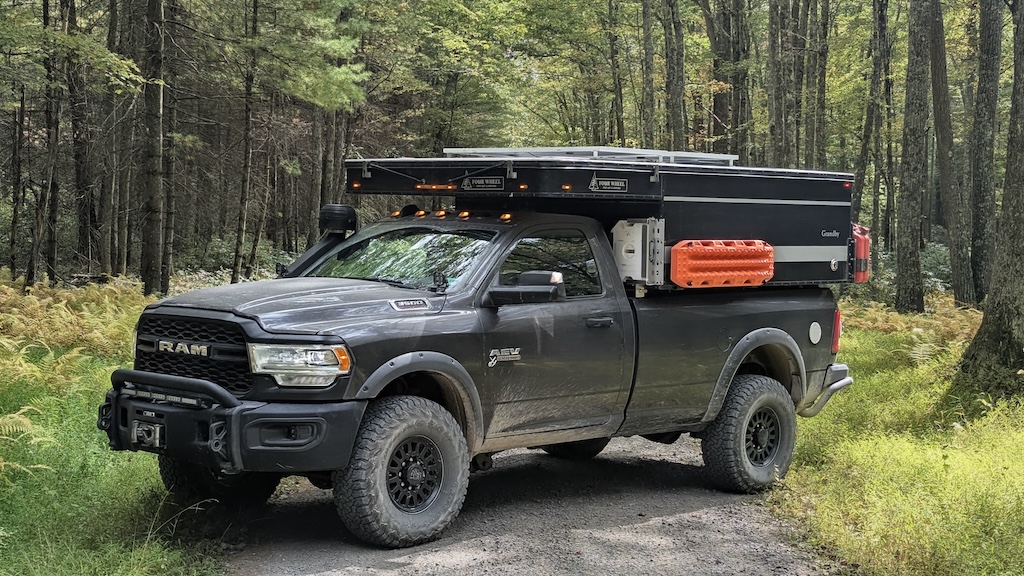
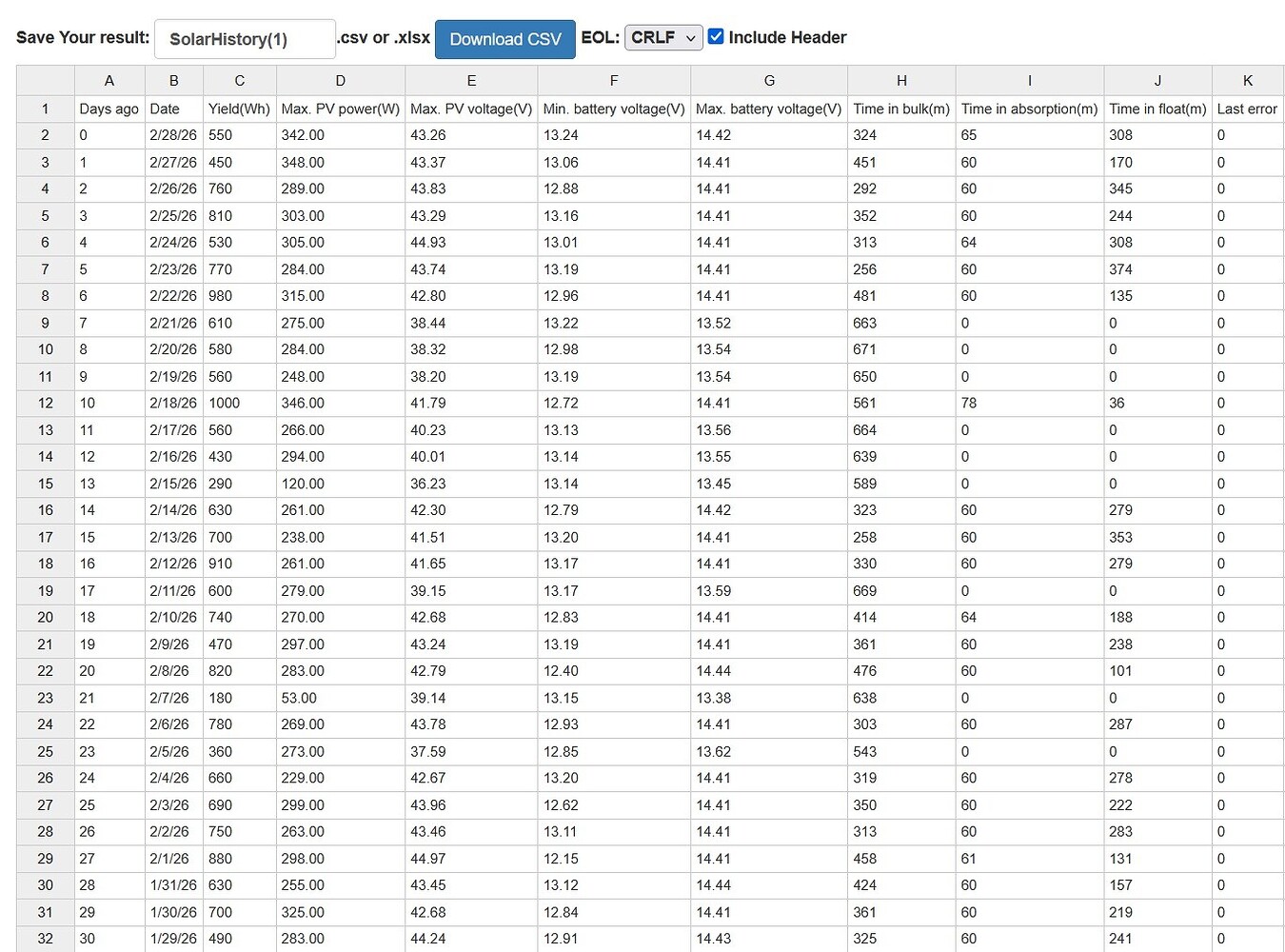
“To my knowledge, no other full-time overland traveler has publicly documented a continuous six-month period using only solar power across such varied conditions: snow in the Northeast, heavy rain, extended overcast, broken clouds, full sun, dense tree canopy, shadowed backcountry roads, and open routes. I have tracked solar production, energy consumption, battery state-of-charge (SOC), and related metrics month by month, sharing the detailed findings. The average daily consumption over these 182 days was approximately 560 Wh (102 kWh total / 182 days = 0.560 kWh/day). My intent is to provide practical, data-backed information that may assist others in designing or refining their own systems.”
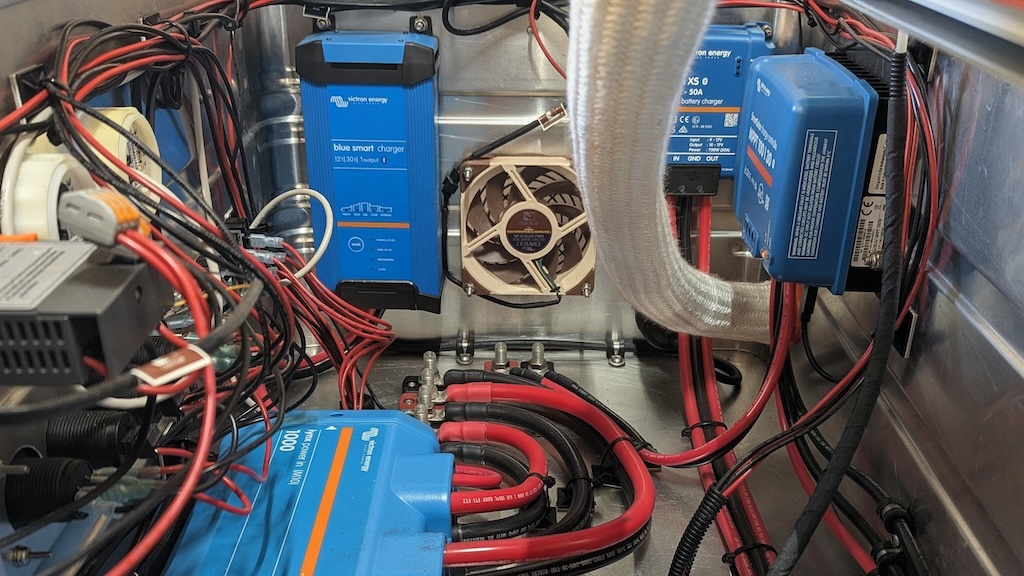
Chet’s solar power is harvested by a SmartSolar MPPT 100/30 solar charge controller for storage into 2 x LiTime 12V 100Ah Group 24 LiFePO4 batteries. He has a BlueSmart IP22 battery charger 12V-30A and an Orion XS 12/12-50A DC-DC charger – but neither device was used during this data period.
The objective was to evaluate the solar system and battery bank capacity to support off-grid travel demands.
After exercising the system for six months, covering 4,752 miles of overland trails, and with temperatures between14°F/-10°C to 88°F/31°C, there were no significant issues through fifteen states:
- Alabama
- Connecticut
- Florida
- Georgia
- Maine
- Maryland
- Massachusetts
- New Hampshire
- New York
- North Carolina
- Pennsylvania
- Tennessee
- Vermont
- Virginia
- West Virginia
Daily consumption averages by month:
- 0.600 kWh/day (18 kWh / 30 days) in September
- 0.516 kWh/day (16 kWh / 31 days) in October
- 0.500 kWh/day (15 kWh / 30 days) in November
- 0.548 kWh/day (17 kWh / 31 days) in December
- 0.581 kWh/day (18 kWh / 31 days) in January
- 0.643 kWh/day (18 kWh / 28 days) in February
“Initially, this adventure was something for me – a long-held dream to retire early, explore mountains, forests, deserts, swamps, islands, small towns and backcountry roads, and focus on improving myself physically,
mentally, and spiritually. Over time it has quietly transformed. While I still deeply enjoy nature’s beauty, the journey has become more about putting others’ needs ahead of my own. We live in challenging times, and I feel truly blessed that I’m occasionally able to help others in small but meaningful ways – often simply by listening without judgement, truly seeing them for who they are, and offering a kind word or the promise of praying the rosary for them that night and just being a friend.”
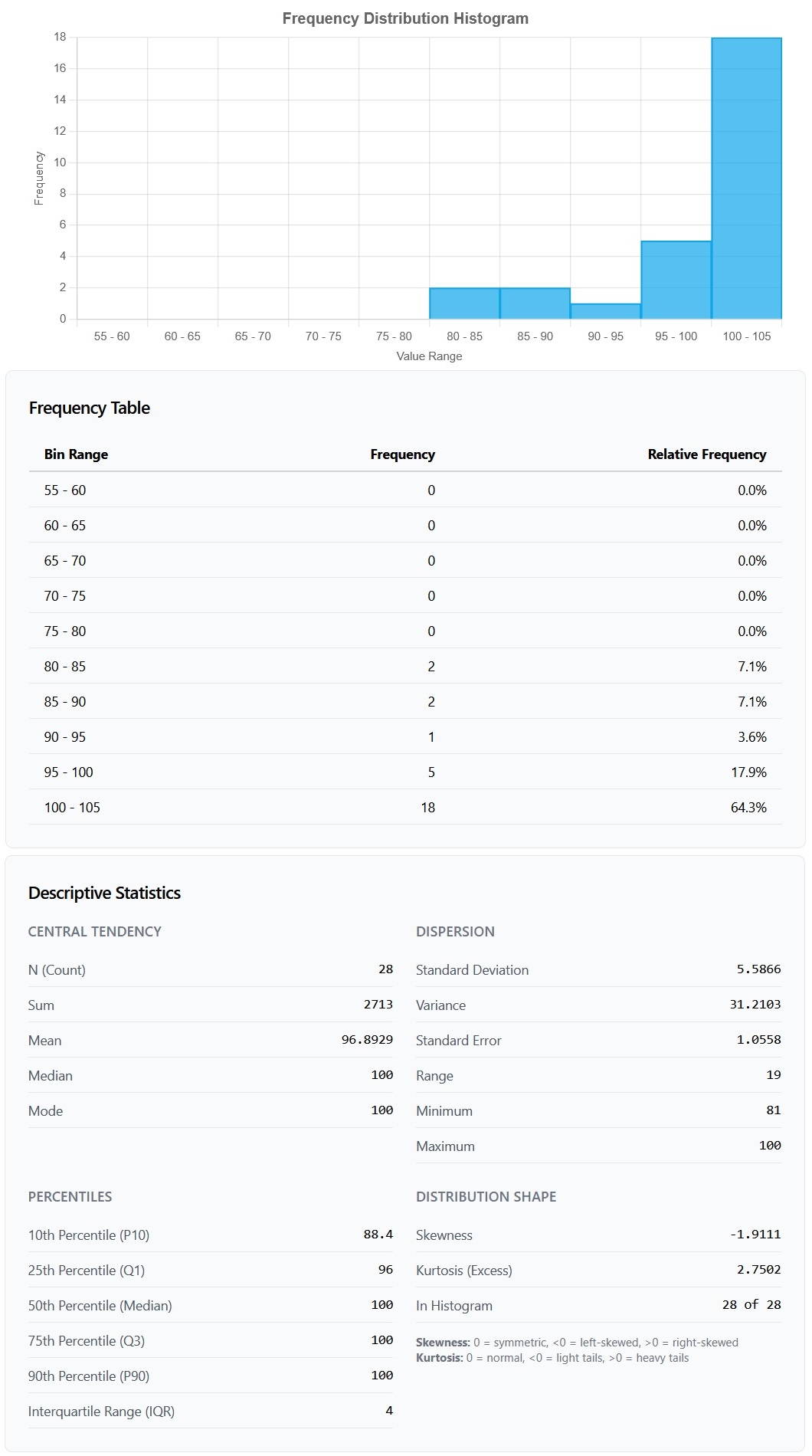
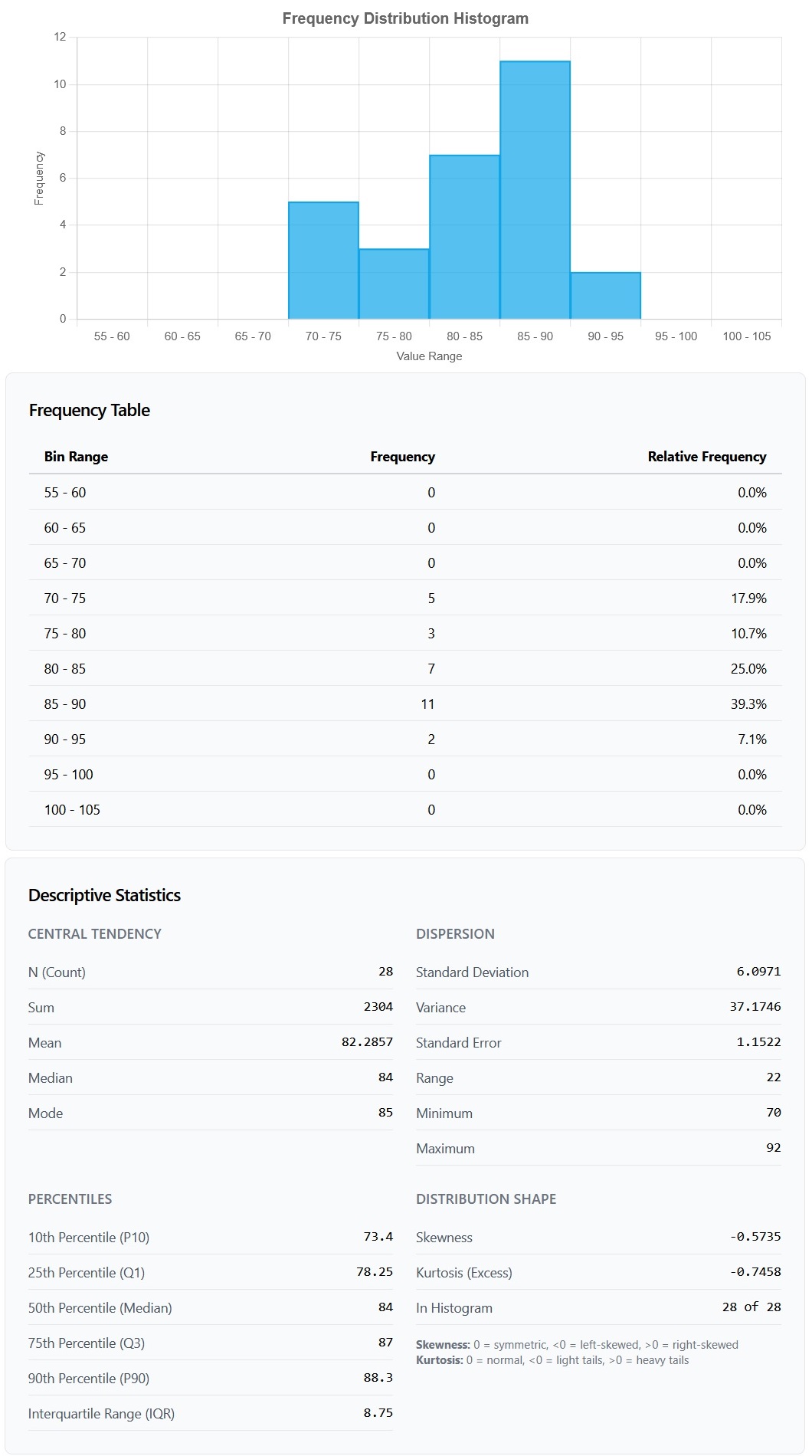
The histogram of maximum daily SOC over the most recent 28 days (February) shows values ranging from 81% to 100%, with 24 days between 90% and 100%. Full charge (100% SOC) was often reached confirming adequate solar capacity under February conditions – one of the lower-yield periods due to shorter days, sun angles, and frequently overcast.
Performance should improve in March and April as insolation increases. The system met and exceeded the design objective of providing at least seven days of autonomy using solar alone, sustaining operation for the full 182 days.
The best parts of this life are the quiet mornings in wild places, the ever-changing landscapes, and these unexpected human connections. The hardest parts are the loneliness that sometimes appears, and not being able
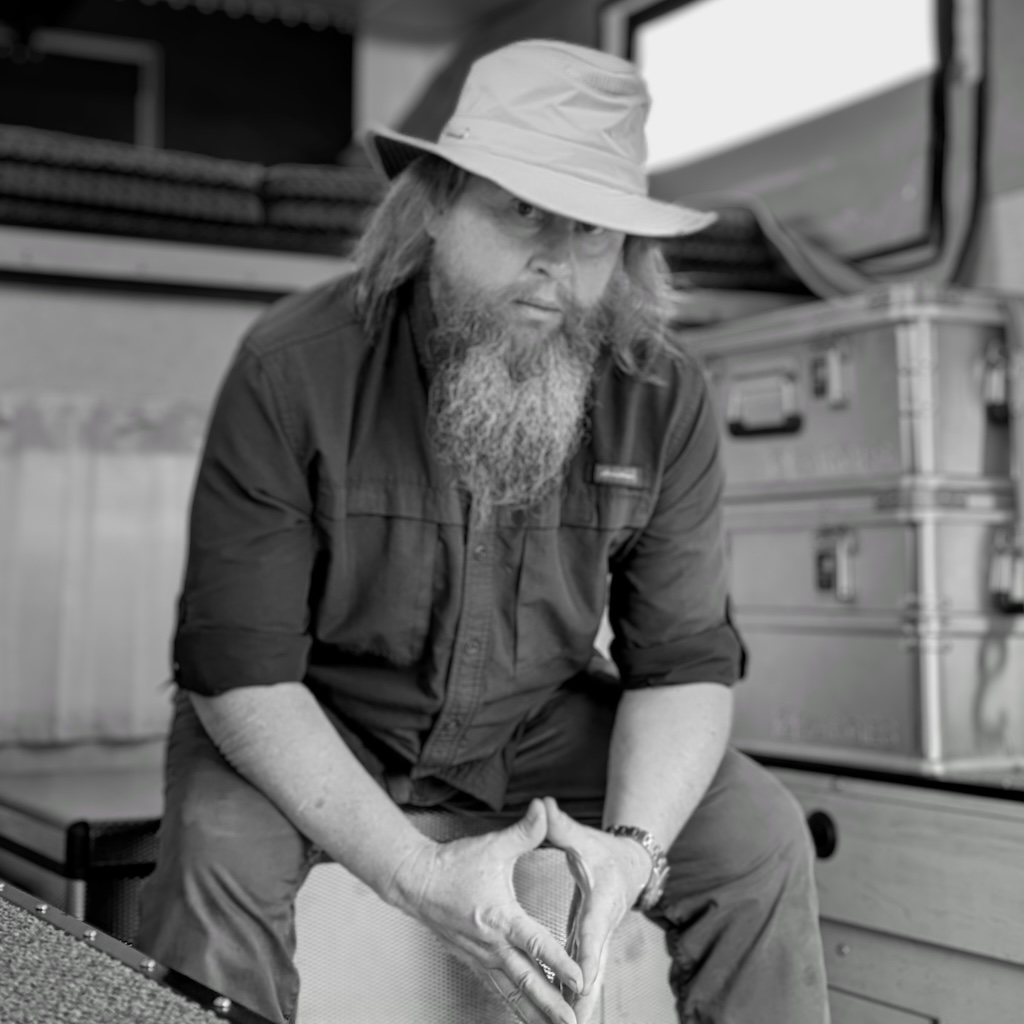
to share these adventures with a wife. With long hair, a beard, and so much time spent alone in the wilderness, the odds aren’t great. If it’s meant to be, it will happen.
My travel rhythm has also evolved. In the beginning I was constantly on the move, sleeping somewhere new almost every night. I’ve exercised my self-discipline and I’ve learned to slow down, stay longer in places, and truly savour the local history, culture, and cuisine. For the past month I’ve been exploring the Everglades and islands of the Florida Keys, often staying two or three days on one island before moving just a short distance to the next beach or trail.
The histogram of minimum daily SOC for the same period ranges from 70% to 92%, with 18 days between 80% and 90%. Minimums typically occurred just before sunrise. The design target was to keep SOC above 25% under normal use; the lowest recorded value of 70% (with all others higher) indicates strong margin and reliable performance.
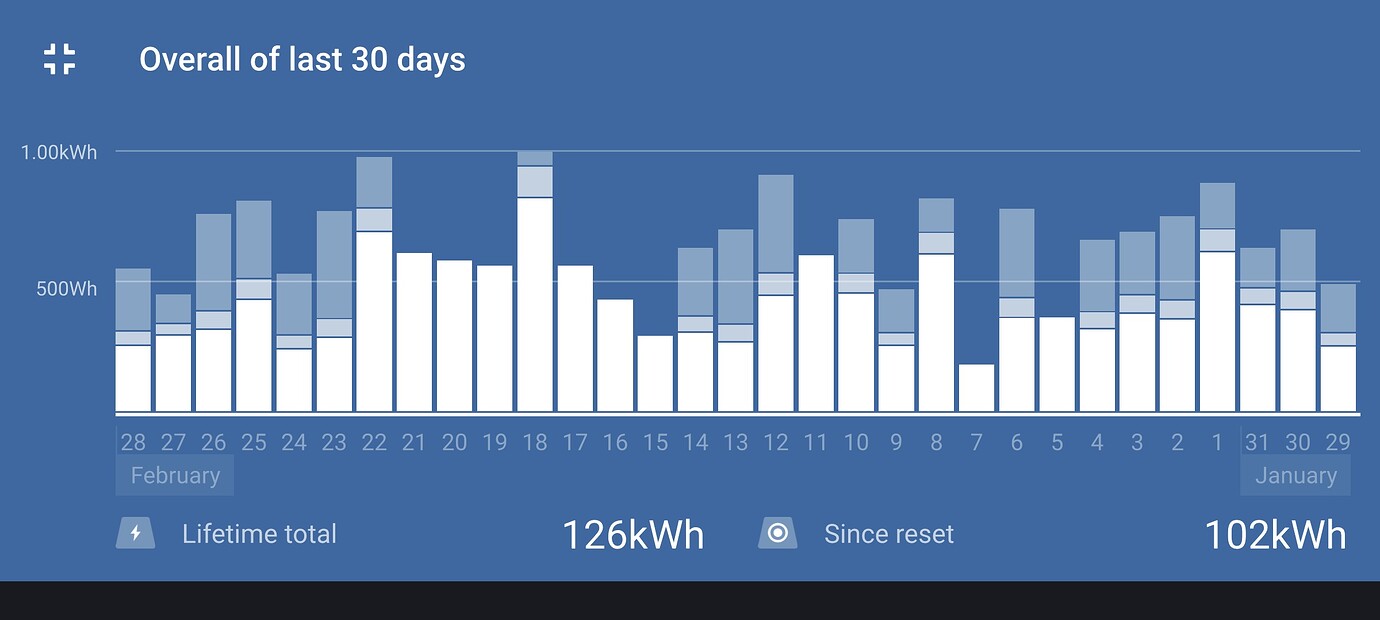
The screenshot below, captured from the Victron Energy solar charge controller, shows the energy harvest over the past 28 days. The white portion of each column represents the percentage of time spent in Bulk charge mode, while light blue indicates the Absorption phase and medium blue denotes the Float phase. The data shows that the system reached the Float phase most days. The batteries were fully charged 80% of the time.
RamblinChet’s electrics are mounted into a Zarges K470 aluminium case. Chet spent a great deal of time researching the power components he would use during his extended journey; and having made those choices, drew up and then rejected twenty or so design layouts until arriving at the optimum installation arrangement in his $900 case. Information displays and power switches are presented on the front panel following the same logic as a flight cockpit – six pack of primary gauges in the center and controls grouped by function, importance, and frequency of use.
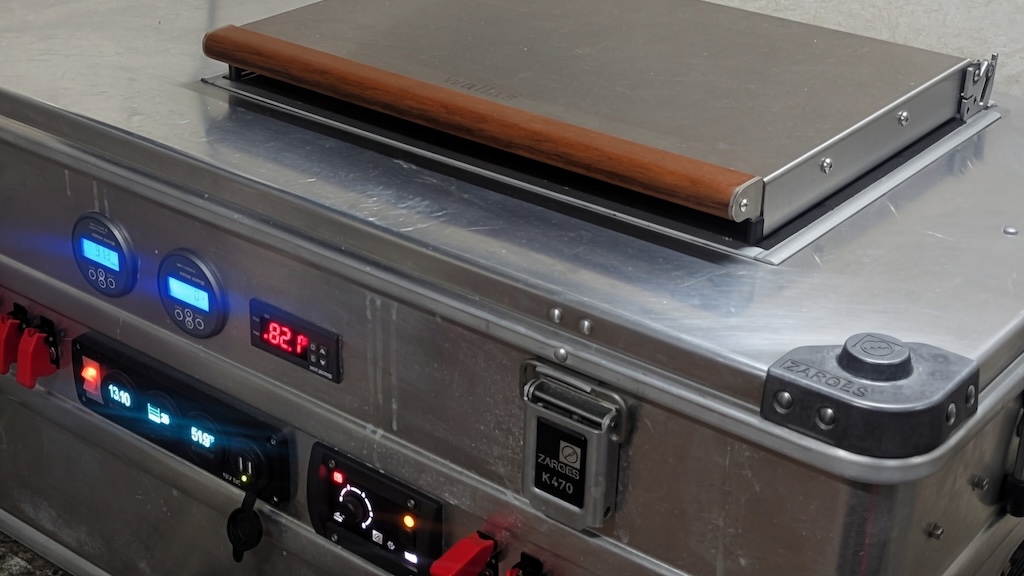
The top surface of the box houses a Wallas Nordic DT diesel stove whose exhaust is routed through the inside of the box in such a way that the electronic devices were not affected by physical contact, and remain well within their operating temperature range. That’s a pretty tall order – a number of his contacts, who know what they’re talking about, advised against it. But Chet approached this design as an engineering proof of concept, and experience has shown that the arrangement is successful.
Working with detailed product information from the manuals and data sheets helped Chet understand the opportunities and limitations which would affect his design. Wiring gauges were calculated with the help of Wiring Unlimited; all fuses are premium quality – the number one priority of the whole installation being fire safety, urged on by the unfortunate experience of others.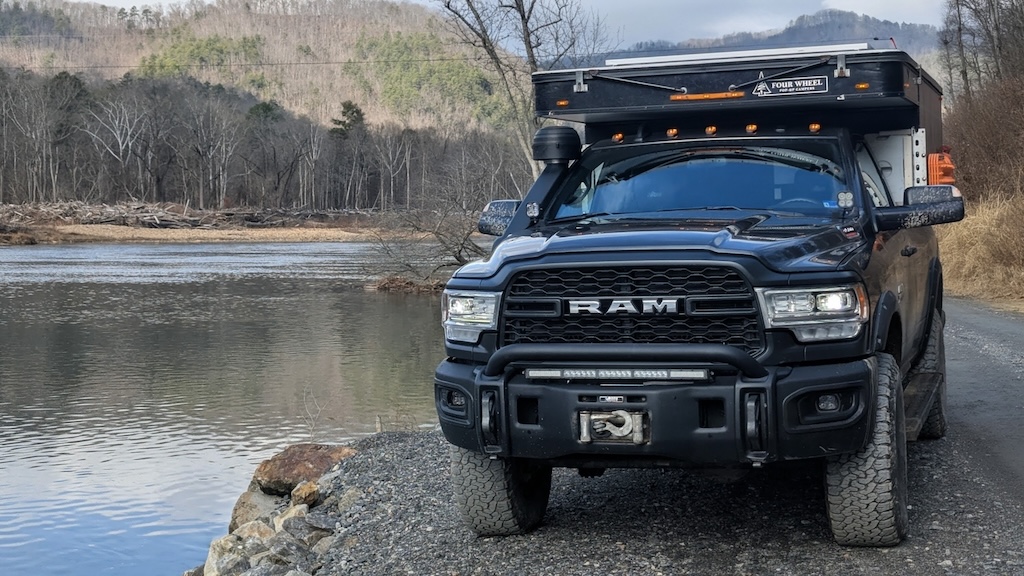
Looking back on his working life experiences, Chet says:
“After a long career working primarily in mechanical and electrical systems, I spent most of my professional life as a Technical Project Manager with a focus on robotics and automation. I had the privilege of working at companies such as Lord Corporation, Siemens VDO, Swisslog, and NASA Langley Research Center on projects including the Mars Science Laboratory Entry, Descent & Landing Instrument (MEDLI), the Program to Advance Inflatable-Decelerators for Atmospheric Entry
(PAIDAE), and the Autonomous Landing Hazard Avoidance Technology (ALHAT).”

The first image Chet sent us to illustrate his journey was of a leaf, covered with dew. We wondered why. It’s fitting to close this story with Chet’s words, which resonate with us all.
“I got up early and went for a walk in the forest by myself. My mind was pretty heavy with thoughts about some of the men I served with – their faces kept coming back to me, and how their deaths never felt like heroic sacrifice or anything glorious. To me they just felt futile, wasteful, and tragic. I spent a good while walking and praying for their souls.
Then I almost stepped right on this one autumn leaf lying flat on the ground. I stopped, knelt down, and just looked at it for a minute. The raindrops on its veins were catching the light like small rosary beads. It hit me how beautiful it was in its own quiet way – its green days were over, it had done its job feeding the tree and dancing in the wind, and now it was just surrendering, giving itself back to the soil for whatever comes next.
For some reason it felt like God was showing me something right there – like there’s this careful, holy beauty even in endings that we usually just walk right past without noticing. I pulled out my phone, snapped one picture, and wrote those words for the picture on the spot. My eyes became heavy while composing my thoughts.
When I got back in the truck and started driving along the trail (NEBDR), I rolled the windows down and played Albinoni’s Adagio in G Minor softly. That song always takes me straight back to the end of an old movie Gallipoli from the early 80s – young Mel Gibson is in it. If you ever watch it, you’ll see what I mean. Those young guys running into machine guns – it just breaks your heart because it was all so pointless.
That little leaf became a kind of symbol for me of all those lives that end too soon, and how easy it is to miss the sacredness in them unless you slow down and look closer.”