Most Antarctic research stations rely heavily on diesel generators. The fuel has to be transported over vast distances at high cost and with environmental risks – a major logistical and technical challenge.
The southern hemisphere Henryk Arctowski Polish Antarctic Station – which has been operational since 1977 – is undergoing a major transformation with the construction of a new research facility offering accommodation, laboratories, and recreational facilities, and supported by a huge investment in sustainable energy.
The cutting edge design of the 1500m2 building secures it against the elements typically found in one of the harshest environments on Earth. Salt laden winds above 100mph are common, together with drifting snow – the aerodynamic design of this building experiences downward thrust owing to the propeller-shape of its abrasion resistant, three-arm, elevated plan – all of which is raised 3 metres off the ground.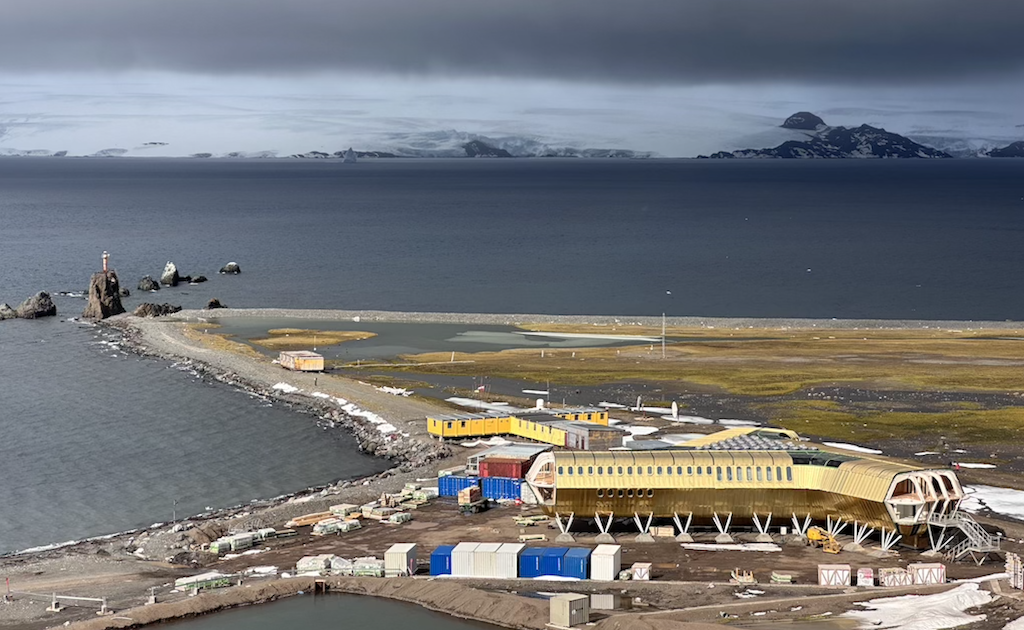
It also benefits from around 350kWp of solar array, together with 1MWh energy storage.
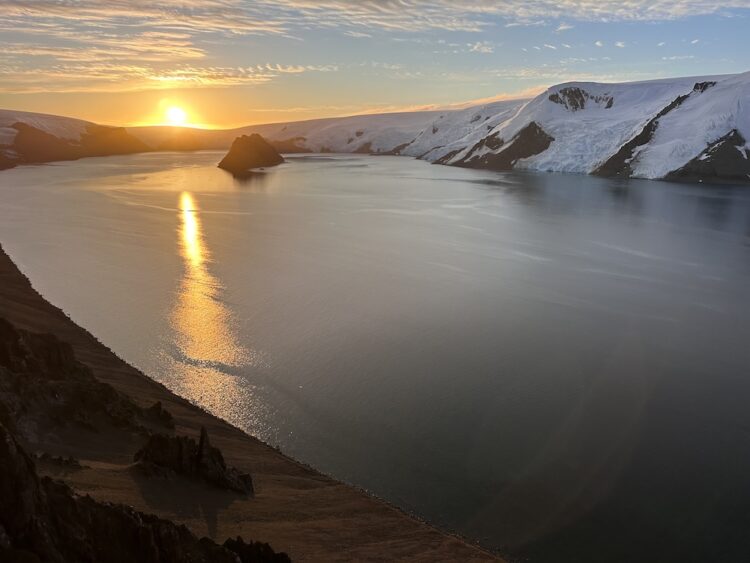
Located on the shores of King George Island, at the northern tip of Antarctica, between 15 and 60 scientists from a wide range of disciplines: oceanography, glaciology, meteorology, seismology, geology, and ecology, amongst others, will be able to gather data and work for months at a time in secure and pleasant building which has clean and reliable power when the building becomes fully operational later this year.
The original station – now almost fifty years old – was built just a few metres from the sea, but rising sea levels mean it is now just one metre from the sea and its decay is accelerating. The new building has been built 100 metres from the sea.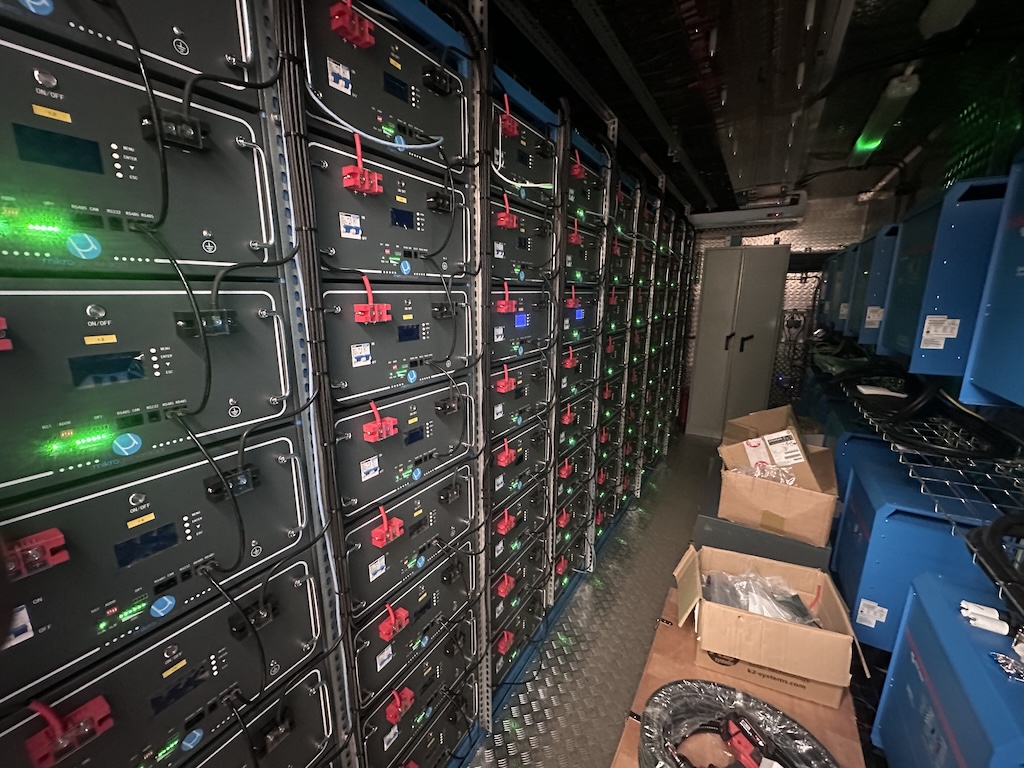
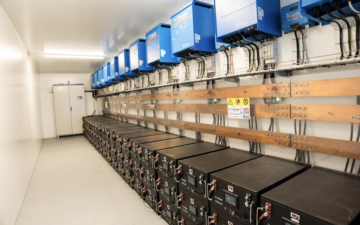
Harvested energy is stored in 72 x 15kWh lithium batteries with a total capacity of > 1 Megawatt hours.
The heart of the power system – which was built outside Warsaw, Poland by the team at Microgeneracja – was installed into a climate controlled shipping container for ease of transportation. This allows some simplification of the workload on location in Antarctica – but because of the location, some constraints applied. The maximum lift from ship to shore, for example, is 10 tons so the batteries had to be packed separately and installed in situ.
It takes two weeks to unload the supply ship upon arrival. Carrying supplies for this huge and remote construction project the ship is well-laden – and not everything can be unloaded exactly when it’s needed.
Working as part of the wider construction team, sharing challenges, Microenercja have installed 400 solar panels – often working during a gale – onto the roofs of sundry storage buildings.
Marek Klonowski of Microgeneracja says the greatest challenge is that when you get to Antarctica there are no shops – in order to achieve success you have to arrive with everything you are likely to need.
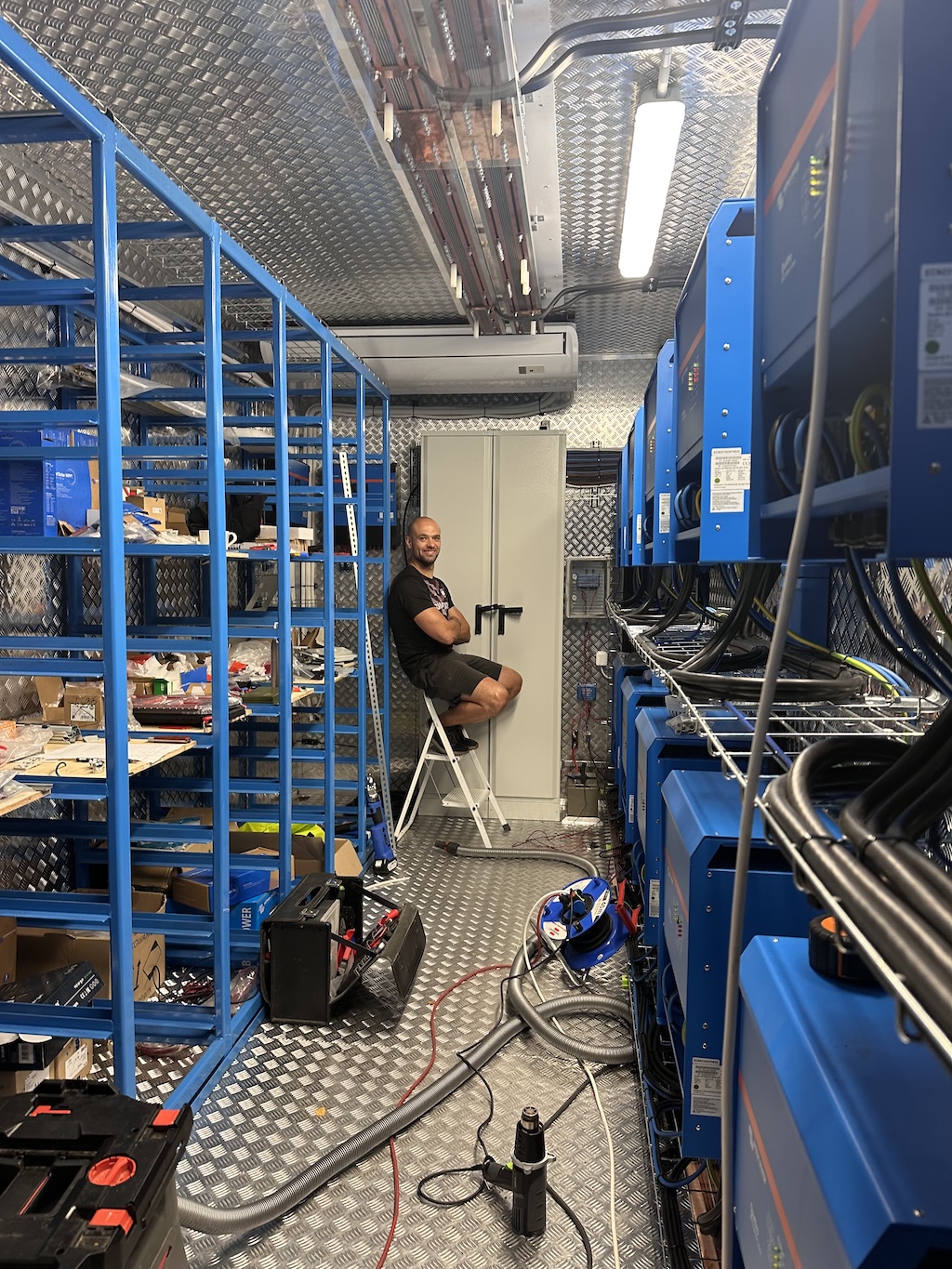
Energy from the solar panels is harvested by a number of Fronius Symo 20kW Solar Inverters.
Two SmartSolar MPPT RS solar charge controllers are also installed – these powerful devices are designed for systems with large series connected PV arrays charging 48 V DC battery banks.
12 x Quattro 15kVA Inverter/Chargers provide the facility with AC power which is largely used for heating and in the kitchens. The Quattros are capable of providing a 2,400A charge current to the battery bank from generators, and from surplus energy harvested by the Fronius Symo Solar Inverters which are controlled by the Quattro’s frequency shifting ability.
Automatic generator switching ensures that they will only run when necessary, and then at maximum efficiency. The station currently uses two legacy Volvo generators of 180kVA and 160kVA, but these will soon be replaced with two synchronised 250kVA generators.
During the winter months when sunlight is weak and of short duration, it will still be necessary to produce energy from the generators. Power transfer at this scale needs robust and heat efficient bus bars.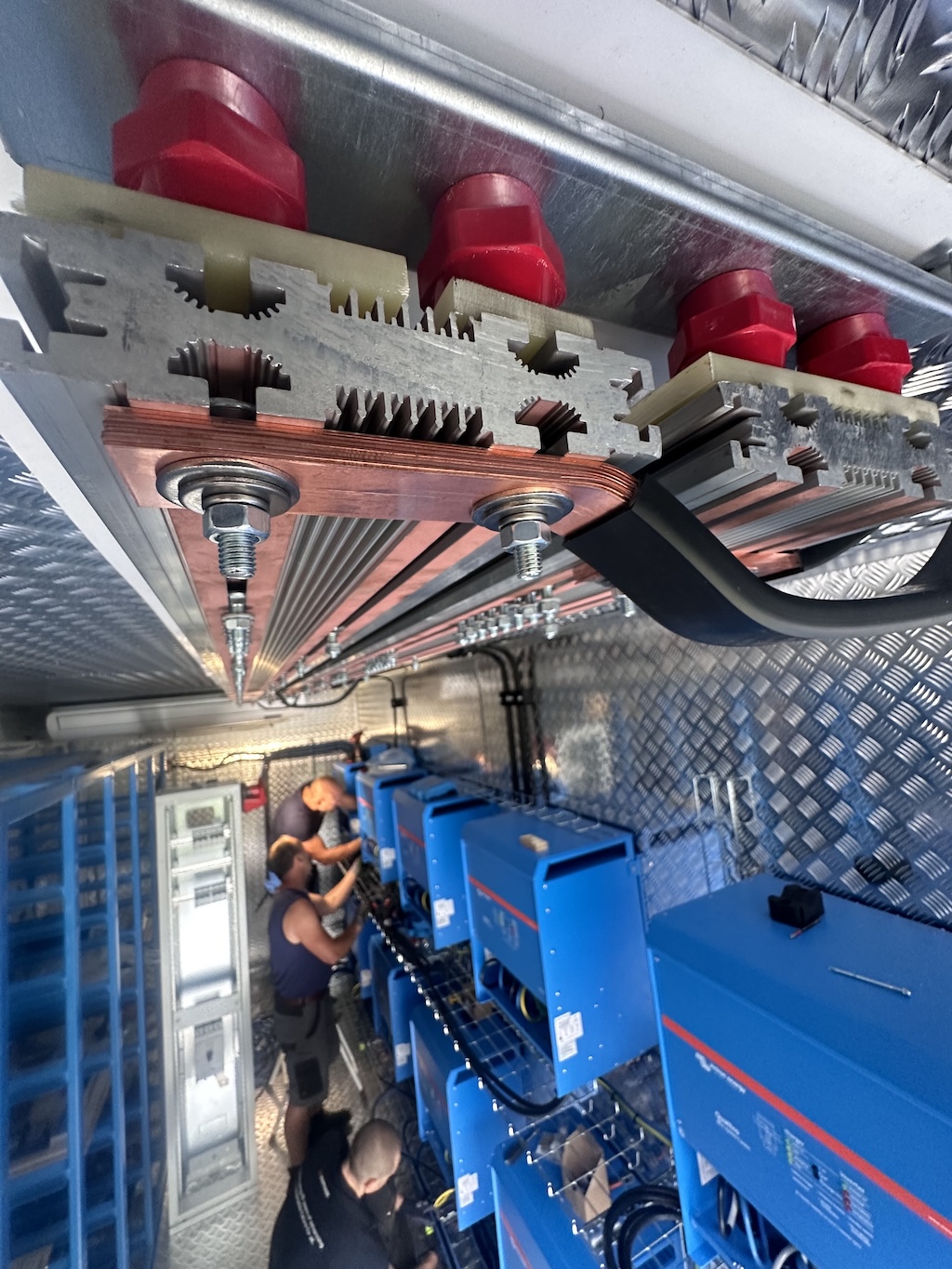
Sustainable energy systems not only reduce emissions but they will improve reliability, eliminating downtime; reducing the need for generator maintenance and the presence of engineers and – most significantly – reducing the need for fuel deliveries and therefore reduce the risk of contamination – one of the greatest operational risks in polar regions. Hydroelectric and wind power generation are under consideration for the future.
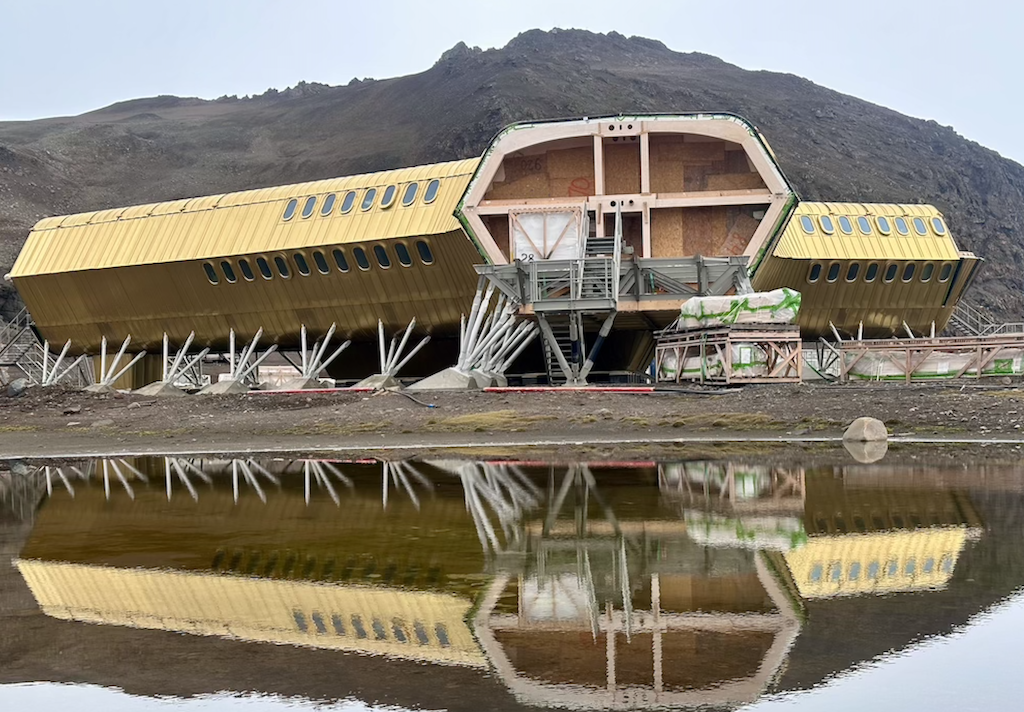
The Arctowski Station – which is managed by the Institute of Biochemistry and Biophysics of the Polish Academy of Sciences has residents all year-round. Groups of Polish and International scientists conduct research on location in the Antarctic, receiving technical and logistical support to conduct their work.
The new facility has been designed to comply with the Antarctic Treaty which places strict obligations on environmental protection. The station’s modernisation which is being built at a cost of over $46mUS, aims to ensure that Poland continues to meet these international commitments while maintaining a strong scientific presence on the continent.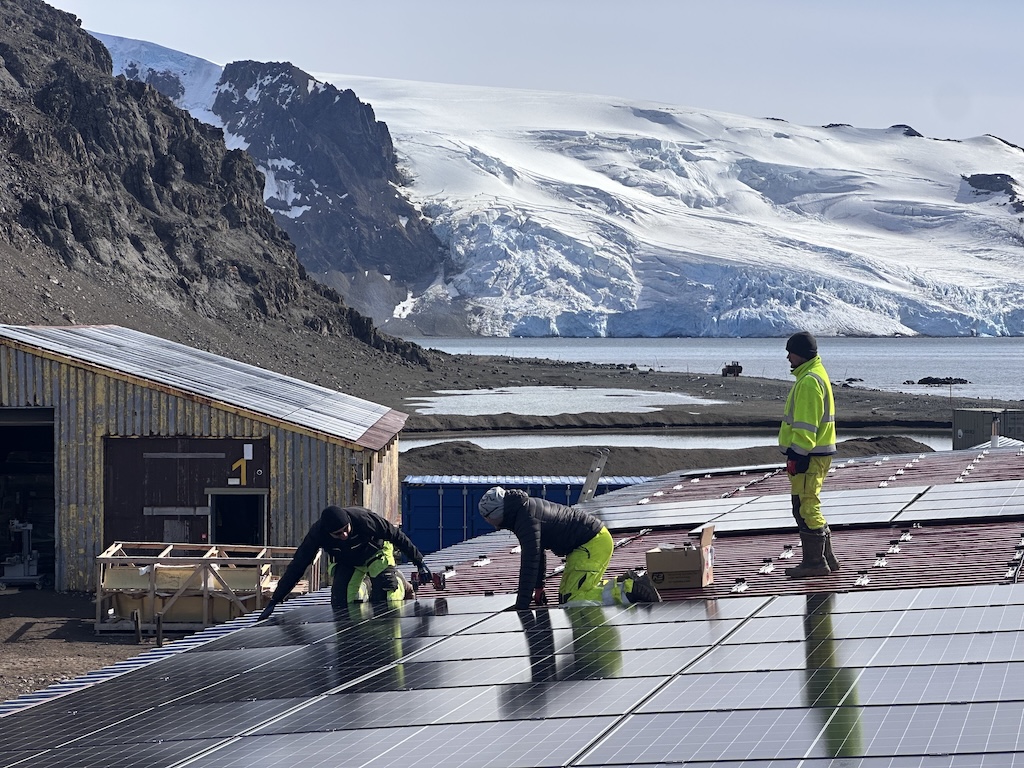
The roofs of ancillary storage sheds have been clad in solar panels which offer 350kWp.
The new Arctowski Station is a glimpse into the future of polar research infrastructure—combining advanced science, sustainable design, and innovative energy systems.
As climate change accelerates, the importance of Antarctic research grows. Arctowski is one of ten research stations in the region providing observation outposts which will help scientists understand processes that affect weather patterns, sea levels, and therefore worldwide ecosystems.