This week let’s hear from Franz Sohm about a prestigious solar award for a traditional Austrian dairy:
Surrounded by steep alpine pastures, the centuries-old dairy farm Der Mooshof is venturing into the future.
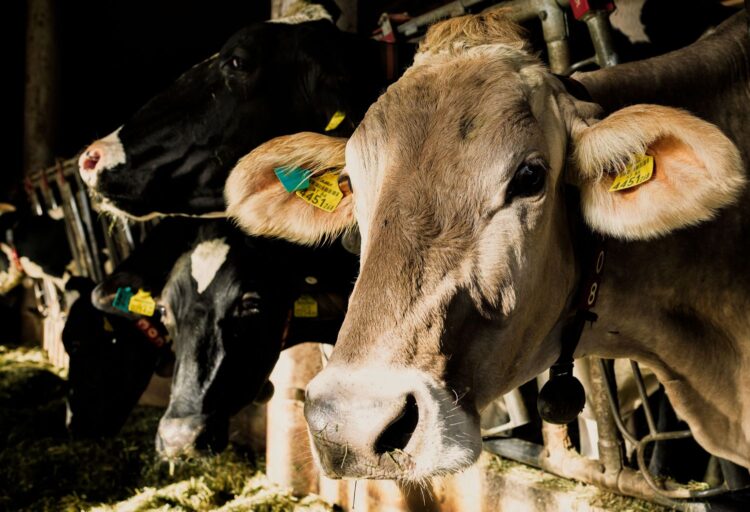
Der Mooshof is one of the largest farms in the Bregenzerwald region. Three generations of the Greber family work here full-time, with around 80 dairy cows, young cattle, goats, and pigs.
In its ongoing efforts to optimize operations, Der Mooshof wanted to overcome the limitations of its rural power supply and avoid the sometimes serious consequences of power outages. It commissioned solar power installer Greenfuture GmbH to plan and implement a system that would guarantee a reliable supply – and received a system that was awarded the Austrian Solar Prize in the Industry, Trade and Agriculture category in 2025.
Dairy farming is energy-intensive. Mooshof’s two robotic milking systems ensure the cows are milked consistently. It’s a process that cannot be interrupted without risking udder infections and potentially losing animals. Automatic feeding machinery prepares rations throughout the day. Milk must be cooled immediately; cheese production requires reliable heating, stirring, and refrigeration. There’s lighting, of course, and power requirement for the background IT infrastructure …not to mention several family homes which add to the load.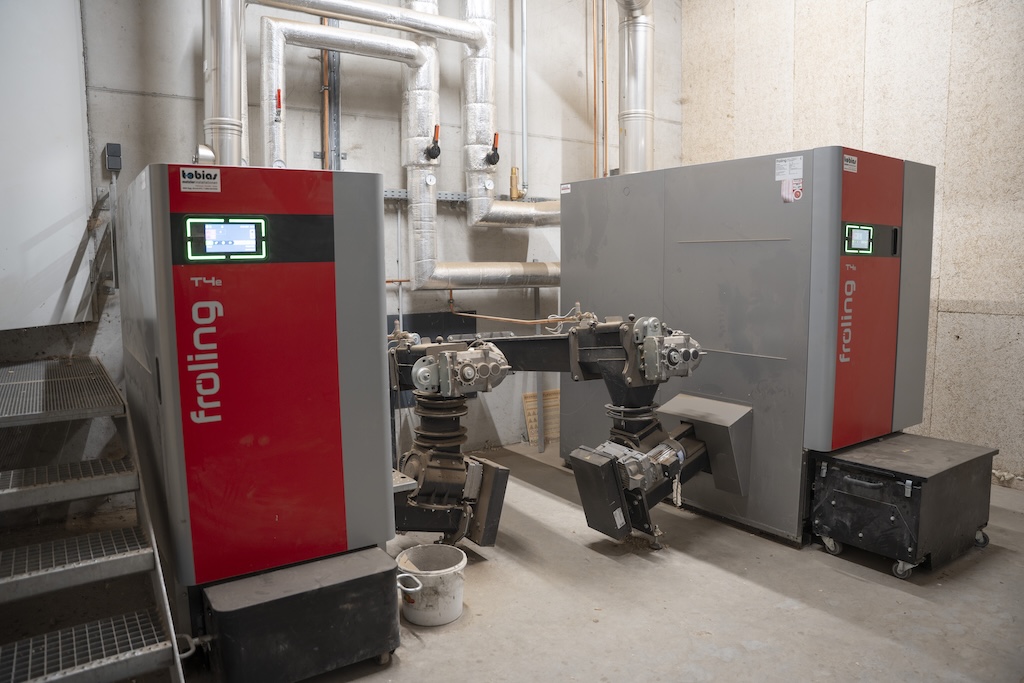
Until recently, the Mooshof relied on a 50 kWp PV system and grid power, which is limited to 80 kW input/output power at this location.
Since power outages can cause enormous costs, the Greber family had to regularly operate an emergency power generator – even short interruptions endanger animals and livelihoods alike.
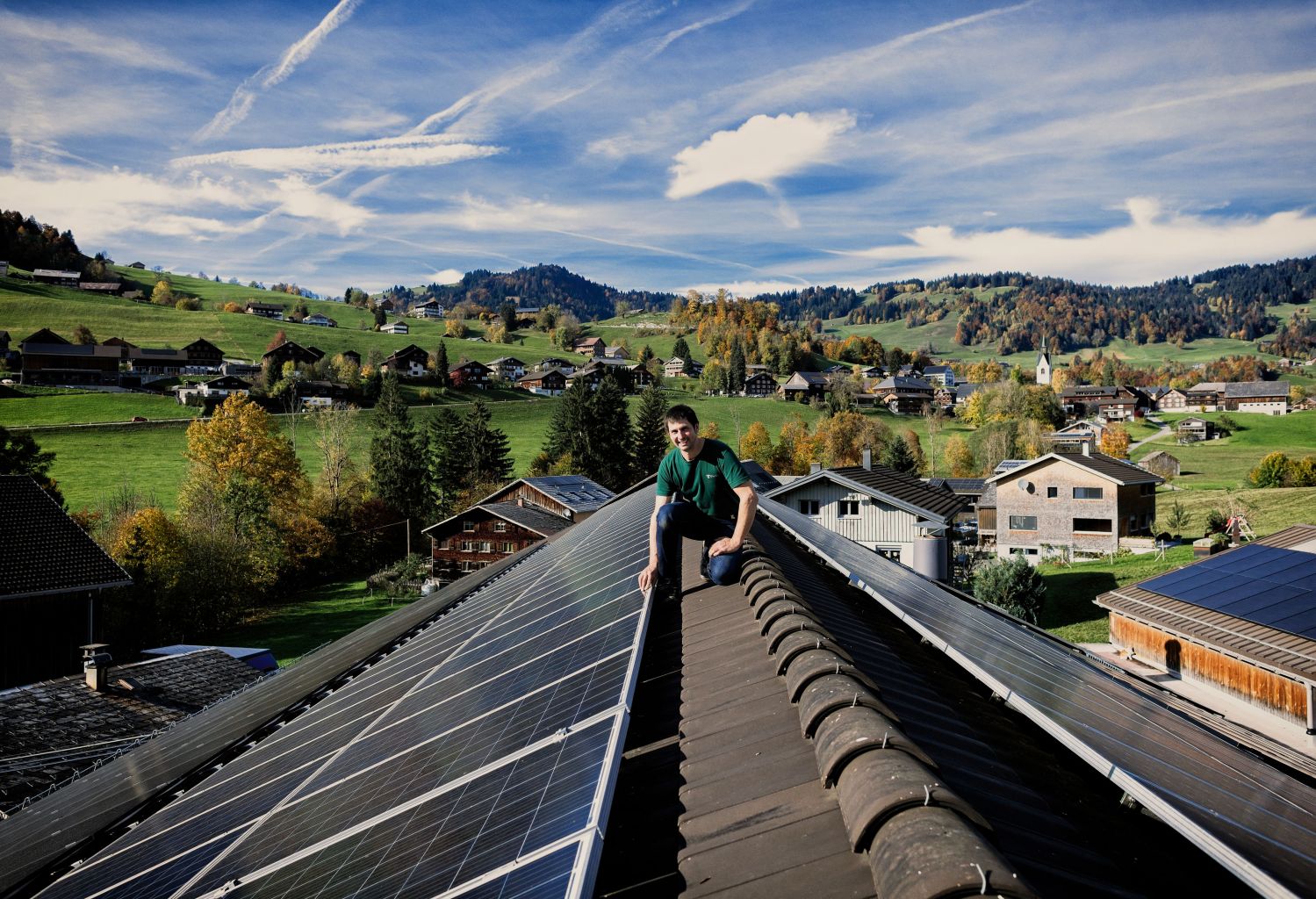
Greenfuture expanded the existing solar system from 50 kWp to 180 kWp and used roofs and facades to achieve maximum yields even in winter.
A comprehensive modernization of the storage capacities now delivers 500 kWh from a lithium battery bank with 100 Pytes V5 modules – enough to supply the farm autonomously for up to three days, even in unfavorable weather conditions.
To circumvent strict grid limits, the Victron system ensures intelligent peak load coverage and an uninterruptible power supply that automatically takes over in less than 20 milliseconds – fully compatible with existing Fronius, Kostal, and Huawei inverters. The base load is around 15 kW, but can rise to up to 70 kW for seasonal work. On such days, electricity consumption rises to up to 1,000 kWh within 24 hours.
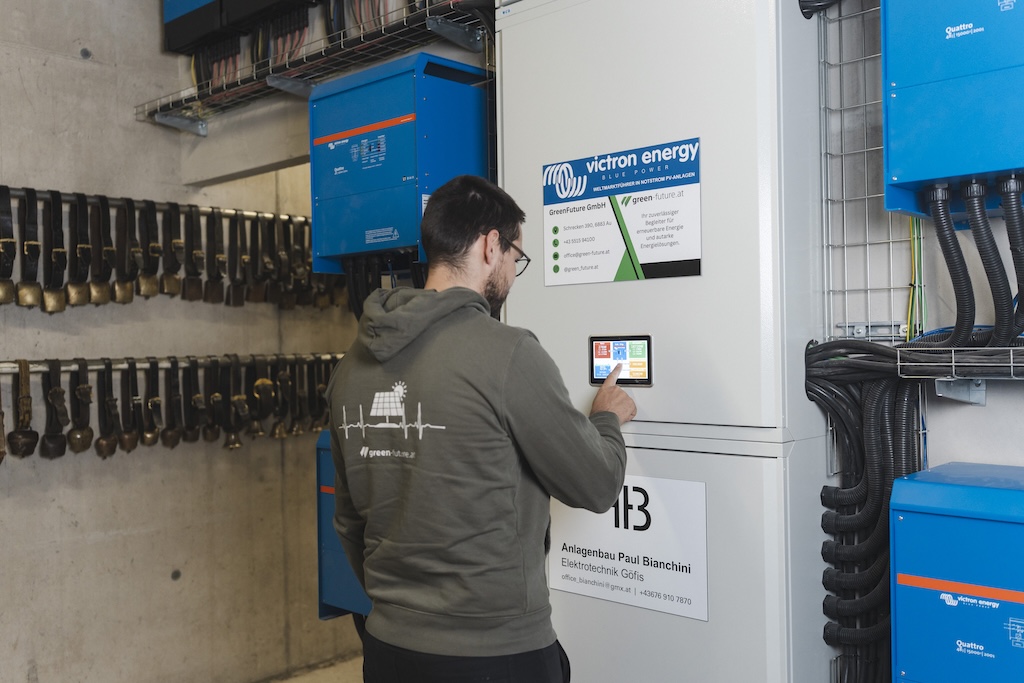
“Thanks to a charging capacity of more than 150 kVA, even short periods of sunshine are enough to fully charge the batteries,” explains Tobias Sohm.
The Mooshof has two interconnected solar power systems connected by three MultiPlus inverters/chargers, so that energy surpluses and deficits can be balanced between the two systems. This is a decisive step towards total autonomy, which already covers more than 90% of the electricity demand today.
The resulting energy cost savings of €30,000 per year will fully amortize the initial investment costs in just a few years.
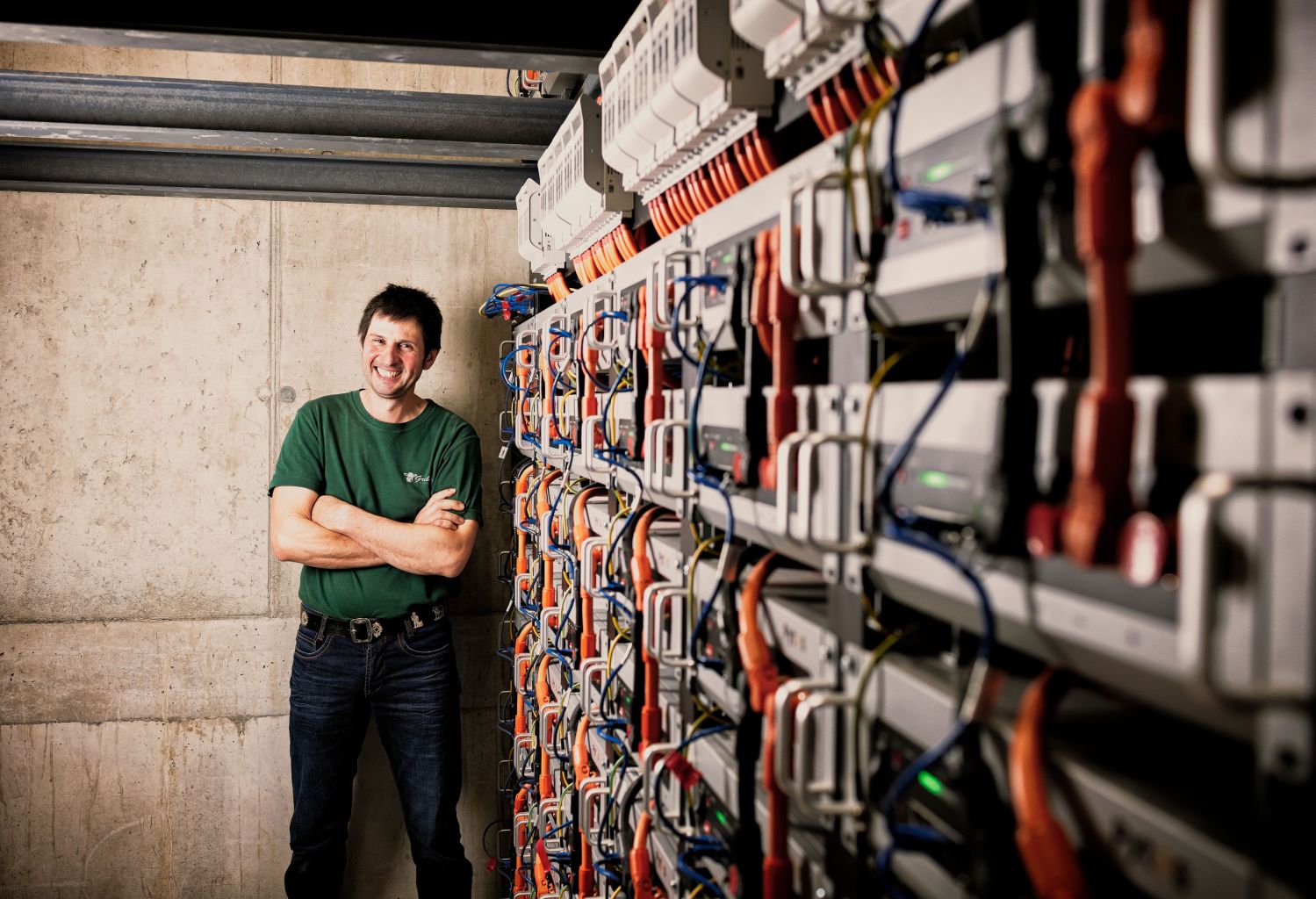
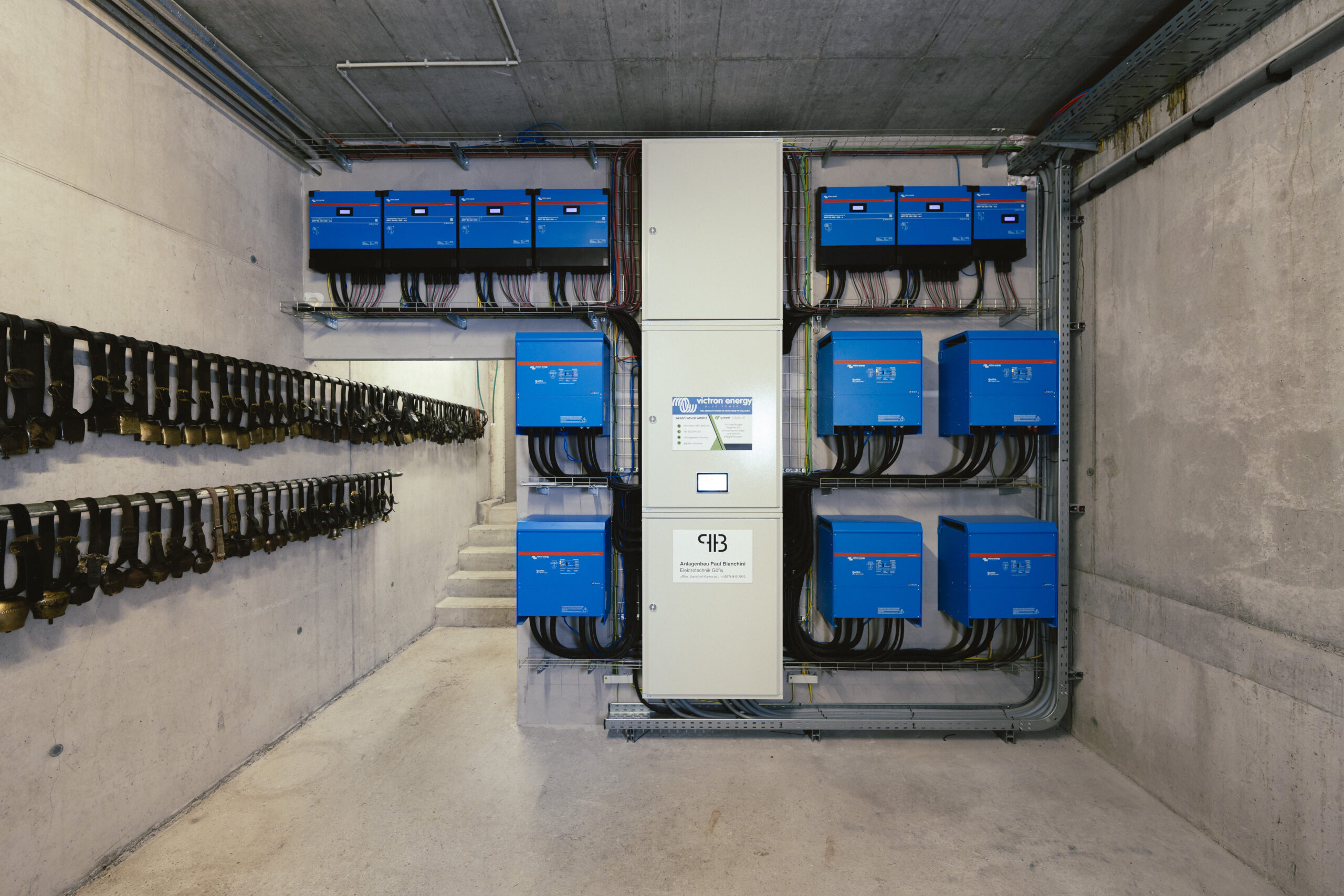
The larger system comprises:
- 6 × Quattro 48/15000 Inverter/Charger
- 6 × SmartSolar MPPT RS 450/200 Solar Charge Controller
- 1 × SmartSolar MPPT RS 450/100 Solar Charge Controller
- Integration with existing Fronius, Kostal, and Huawei AC inverters
- 500 kWh lithium battery storage (100 × Pytes V5 modules)
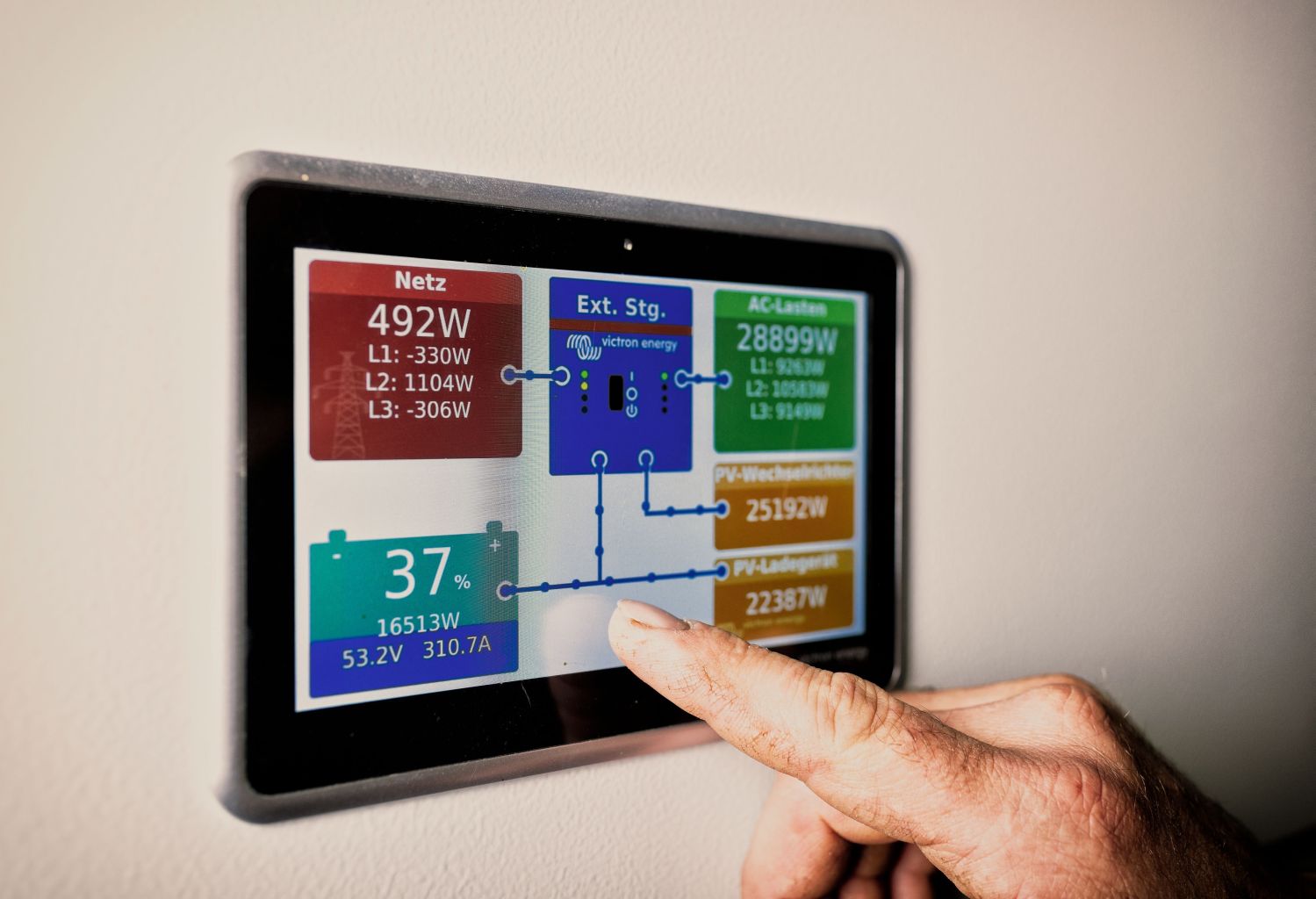
- The system is controlled by a Cerbo GX data communication centre which provides local access to system status and programming via a GX Touch, and access from anywhere in the world via the free-to-use Victron Remote Management platform VRM.
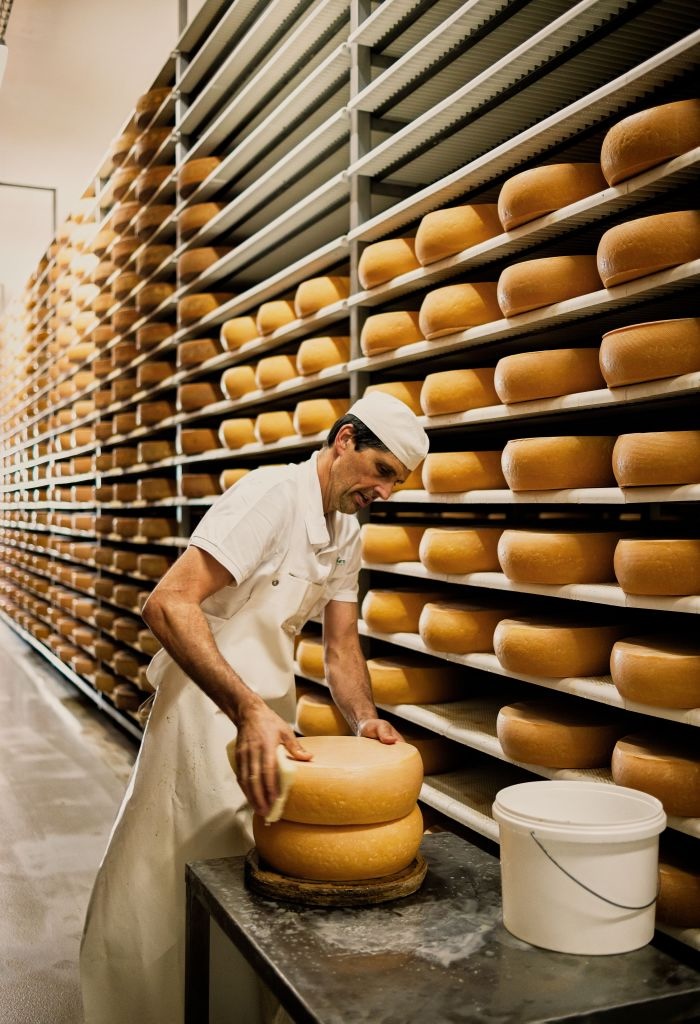
The second, independent PV system supplies the cheese production building and, after the upgrade, comprises 3 × Quattro 48/15000, 250 kWh batteries, and expanded PV capacity.
The generator remains connected and starts automatically as soon as the battery charge level becomes too low.
Greenfuture GmbH is run by brothers Tobias and Fabian Sohm, who literally grew up with photovoltaics. Their father, Franz Sohm, won the European Solar Prize in 1999 and is still active in the B2B sector with his company Solar Energy Anstalt.
For the Mooshof project, Franz was particularly pleased to be working with his sons again – not least because he grew up just 300 meters from the Greber farm and knows the family well. Martin Greber and Franz’s father have always been close friends.
The Greber family had initially looked at other systems, but needed the guarantee of immediate load transfer in the event of a power failure – without this criterion, the entire project would have been pointless. Today, they proudly demonstrate how it works to visitors by disconnecting the grid and having the Quattros take over in a fraction of a second – without even a flicker of the lights.
Heat for residential buildings, cheese production, and, when needed, hay drying is provided by a 350 kW wood chip heating system fueled by wood from the farm’s own forest—an efficient closed-loop system that fits perfectly with the farm’s sustainable philosophy.
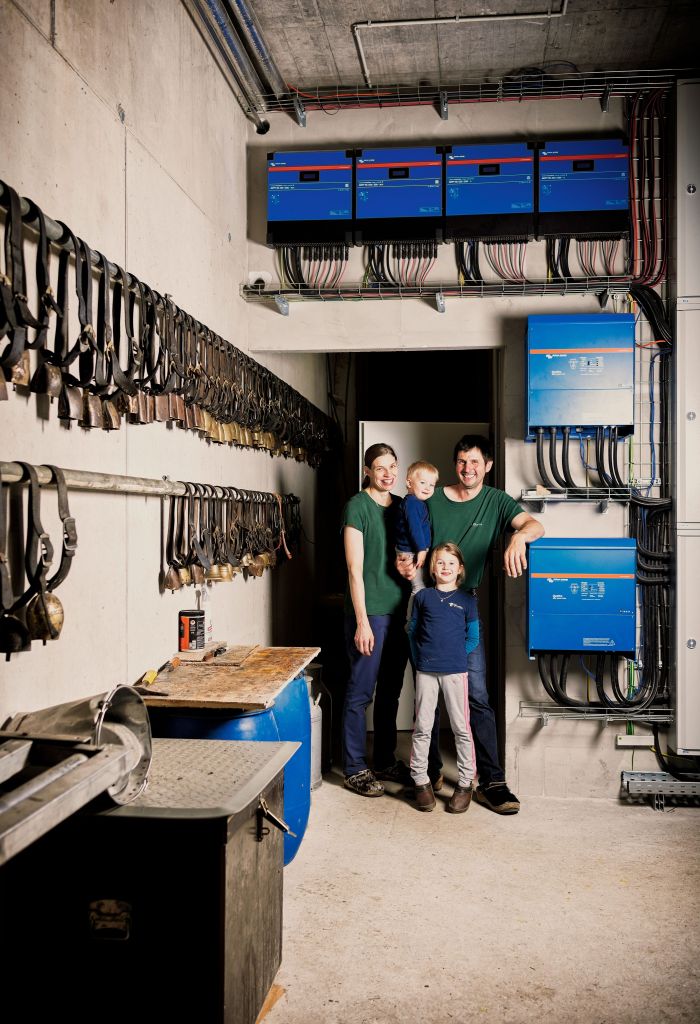
From the 300 cowbells that ring every summer when the herd moves up to the high alpine pastures to the state-of-the-art hybrid energy system that powers their work, the Mooshof impressively combines tradition and innovation. It proves that even remote mountain farms can become energy self-sufficient, resilient, and economically stronger.
For the Greber family, the Solar Prize is much more than an award—it is an incentive. “Our project is intended to motivate other farms to take the step toward energy self-sufficiency.” The next goal is clear: the entire farm is to become energy self-sufficient.
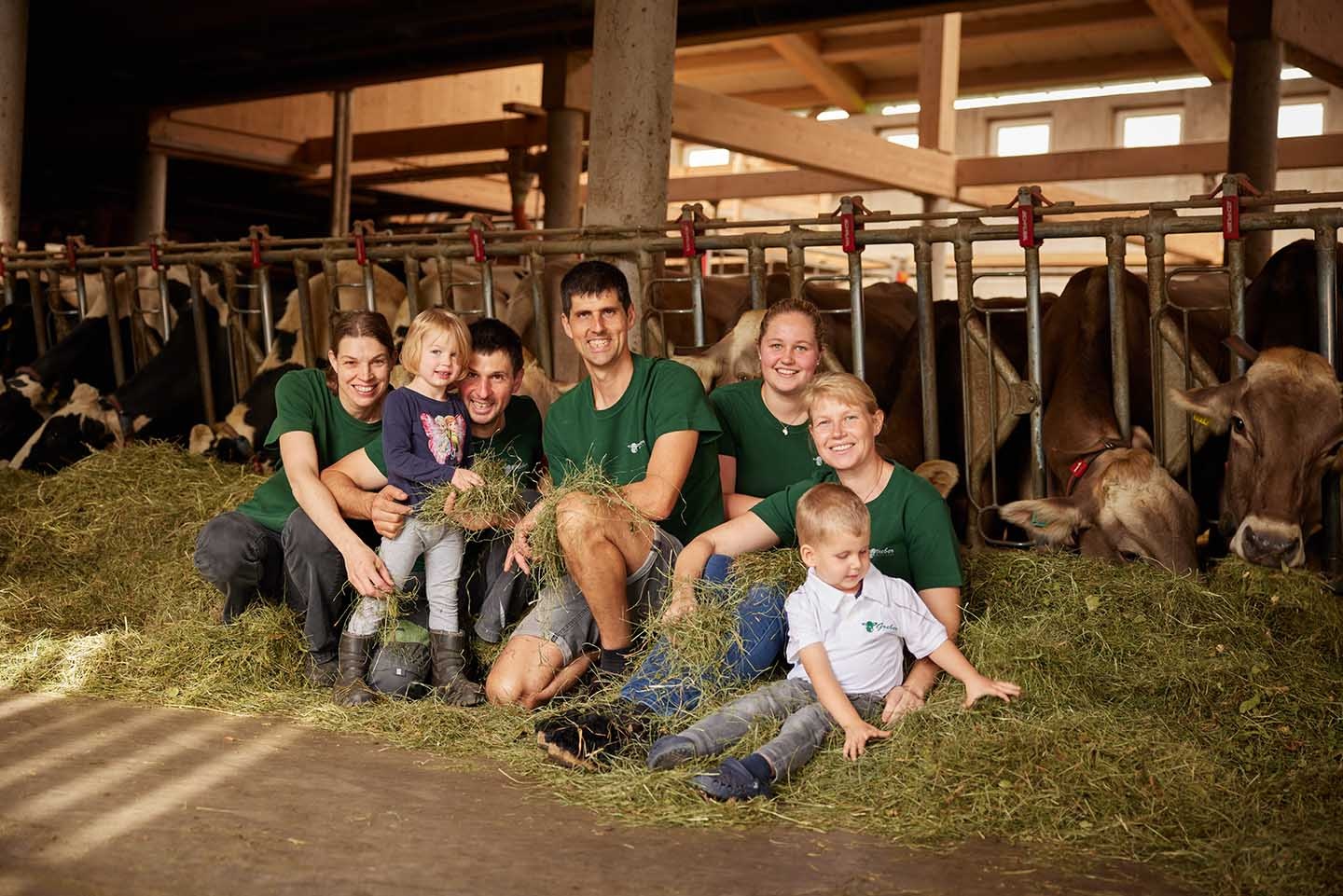
The next goal is clear: the entire farm is to become energy self-sufficient.
All images of the family or their livestock shown above are from © Markus Gmeiner.