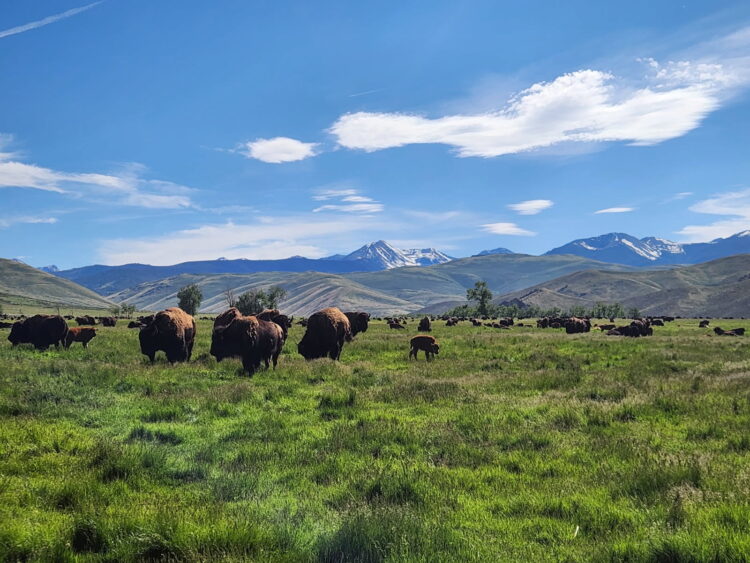
Water is the life-blood of Intermountain Bison, in Idaho, USA. They rear grass-fed America Bison to produce top quality, low-fat, healthy meat for discerning customers.
In the 90s, this fully off-grid ranch relied on a small hydroelectric turbine to power a well pump and used diesel-powered generators to operate three agricultural pivots moved across grazing pastures.
But free-flowing water isn’t always guaranteed. Problems stack up when mountain rain dries up in late summer or when hard freezes strike in winter. At those times, the welfare of the livestock depends on pumped water from underground.
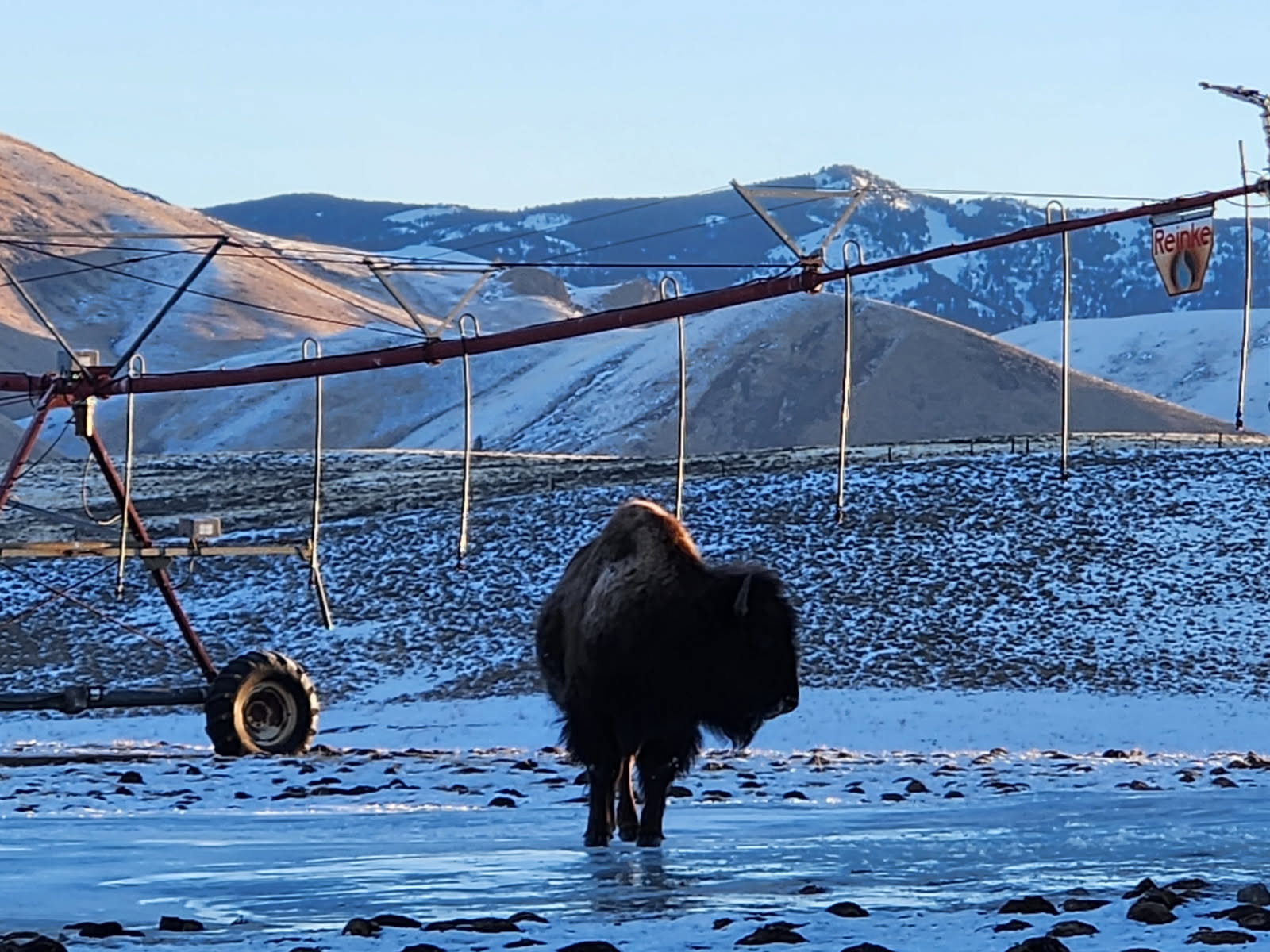
“Most of our irrigation systems are pressurized by gravity,” says Ranch Manager Wes Mackay, who started working on the ranch 20 years ago. “There’s enough fall in the main line to pressurize the pivots, but some needed a small diesel generator to rotate them. A few of those pivots require pumps, and one pump can burn 750–1,000 gallons of gas per week.”
As fuel prices rose, so did the ranch’s operating costs. The team explored connecting to the grid but quickly ruled it out as the cost would exceed a million dollars.
Additional generators were added to support the main ranch house, and a small solar system was installed to improve reliability at the well, but it was the winter conditions which really exposed the system’s limitations.
“In winter, sunlight is limited, and our creeks freeze,” says Wes. “If the solar system goes down and the generator fails to start, the water pipes can freeze. That’s a serious risk when you’re responsible for livestock.”
To make matters worse, it was getting harder to get technical support for the ageing solar equipment. The ranch needed a modern, reliable system—and local expertise to support it.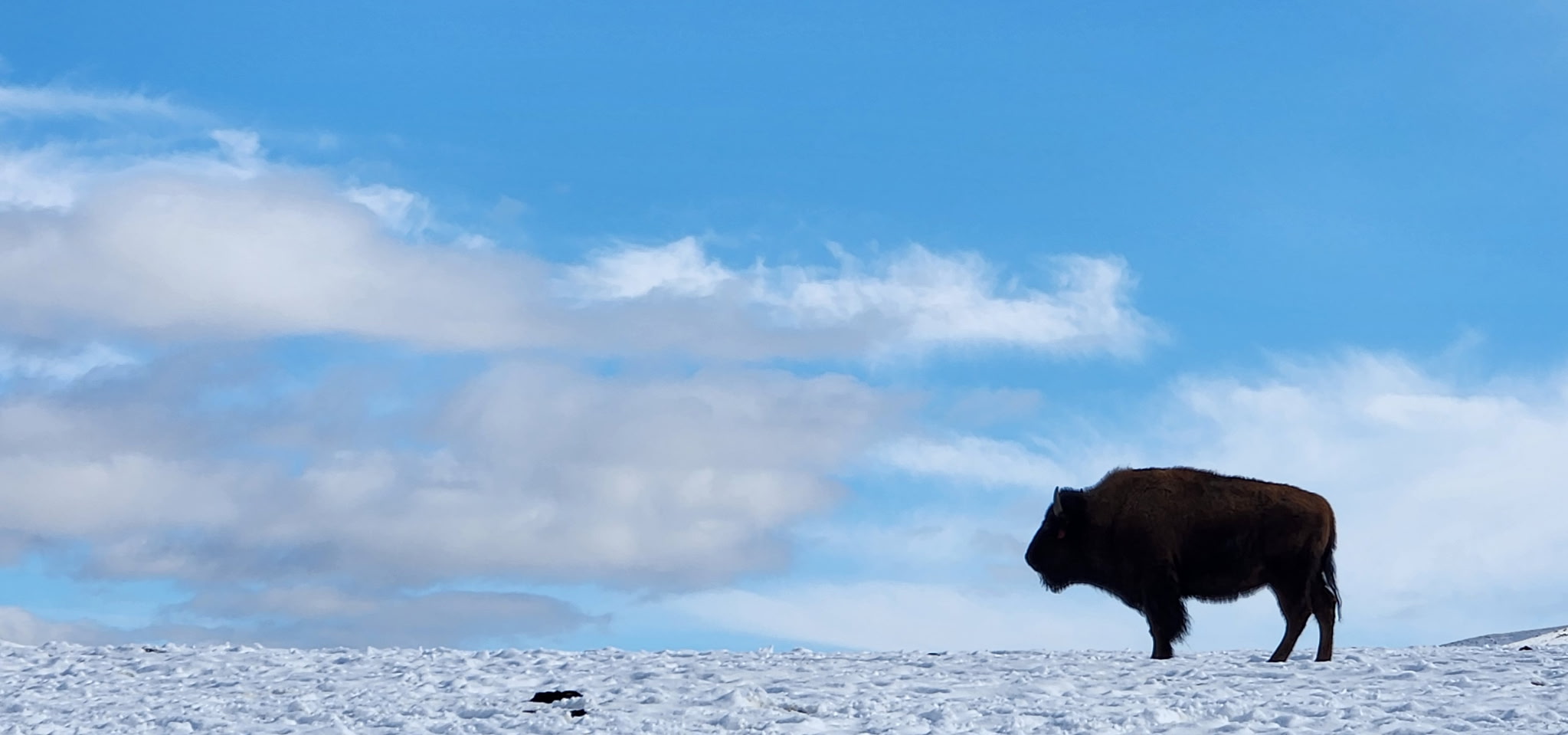
A Modern Off-Grid Power System
They contacted Victron Energy installer Jason Pilkerton of Rocky Mountain Electric & Data and asked if he could design a new off-grid power system.
The system needed to deliver uninterrupted power for the ranch’s critical infrastructure, reduce fuel dependence, and support future growth and increasing power demand.
What began as a system replacement quickly expanded in scope. Recent ranch developments included the addition of a second well and pump – effectively doubling the electrical load. The system Jason proposed was not only capable of providing the energy to run the ranch’s critical operations but it could also cover some other functions elsewhere on the ranch which were generator-dependent.
“The idea wasn’t just to replace what they already had,” says Jason. “but to eliminate single points of failure and reduce overall reliance on fuel wherever possible.”
Unexpected bonus
The new system allowed the ranch to replace the original ranch house with a 8,000 square foot home with freezers, a washing machine, and other modern appliances. “The expansion of the house wouldn’t have been possible without the new power system,” says Wes.
Having guaranteed reliable power to the house and the ranch’s ability to extract water from the well at any time – two more operations could be powered from the same solar power source:
The first was the irrigation pivots – irrigation is usually carried out overnight. The installation of a Lithium based battery bank – which is charged with solar energy during the day – allowed for overnight solar-powered irrigation. There was a huge reduction in diesel costs, and an increase in reliability. The generator starts automatically whenever the batteries fall to a pre-set State of Charge. The generator will then recharge the battery at its most efficient power output.
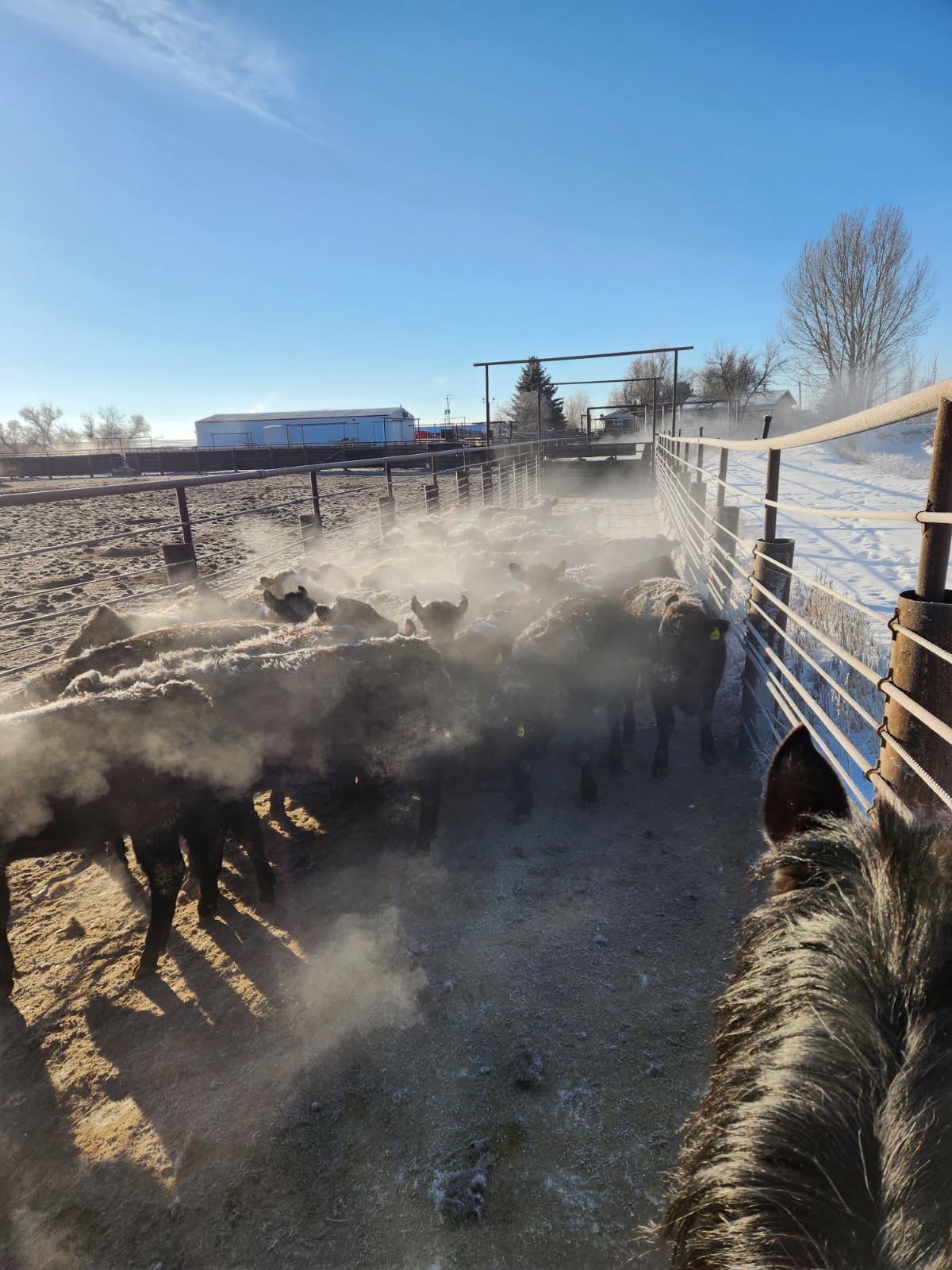
The second operation was the cattle squeeze/crush used during veterinary work. Previously, it was powered by a tractor power take-off which was run continuously – adding noise, fumes, and fuel consumption to the all the excitement. Converting the system to run from a virtually silent electric motor improved working conditions for both ranchers and animals alike.
System Design and Components
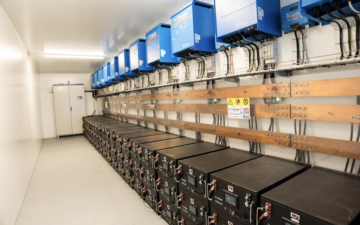
Jason designed a 480V three-phase off-grid system housed in a fully insulated, temperature-controlled shipping container. The system was built to handle high surge loads, provide redundancy for critical systems, and is scaleable to meet future ranch needs.
Key system components include:
3 × Quattro 15 kVA inverter/chargers
7 × SmartSolar MPPT 150/85 solar charge controllers
24 × Pylontech Pelio 48 V lithium batteries provide 124kWh of storage
Lynx Distribution DC power distributors
Cerbo GX with GX Touch 70 display
PV panels – 124 kWp from three large ground-mounted arrays plus rooftop panels
A 30 kW backup generator can be started automatically triggered by battery status
“All devices communicate through the Cerbo GX,” explains Jason. “The solar charge controllers, Inverter/Chargers, batteries, and back up generator balance the system based on data from all of them.” 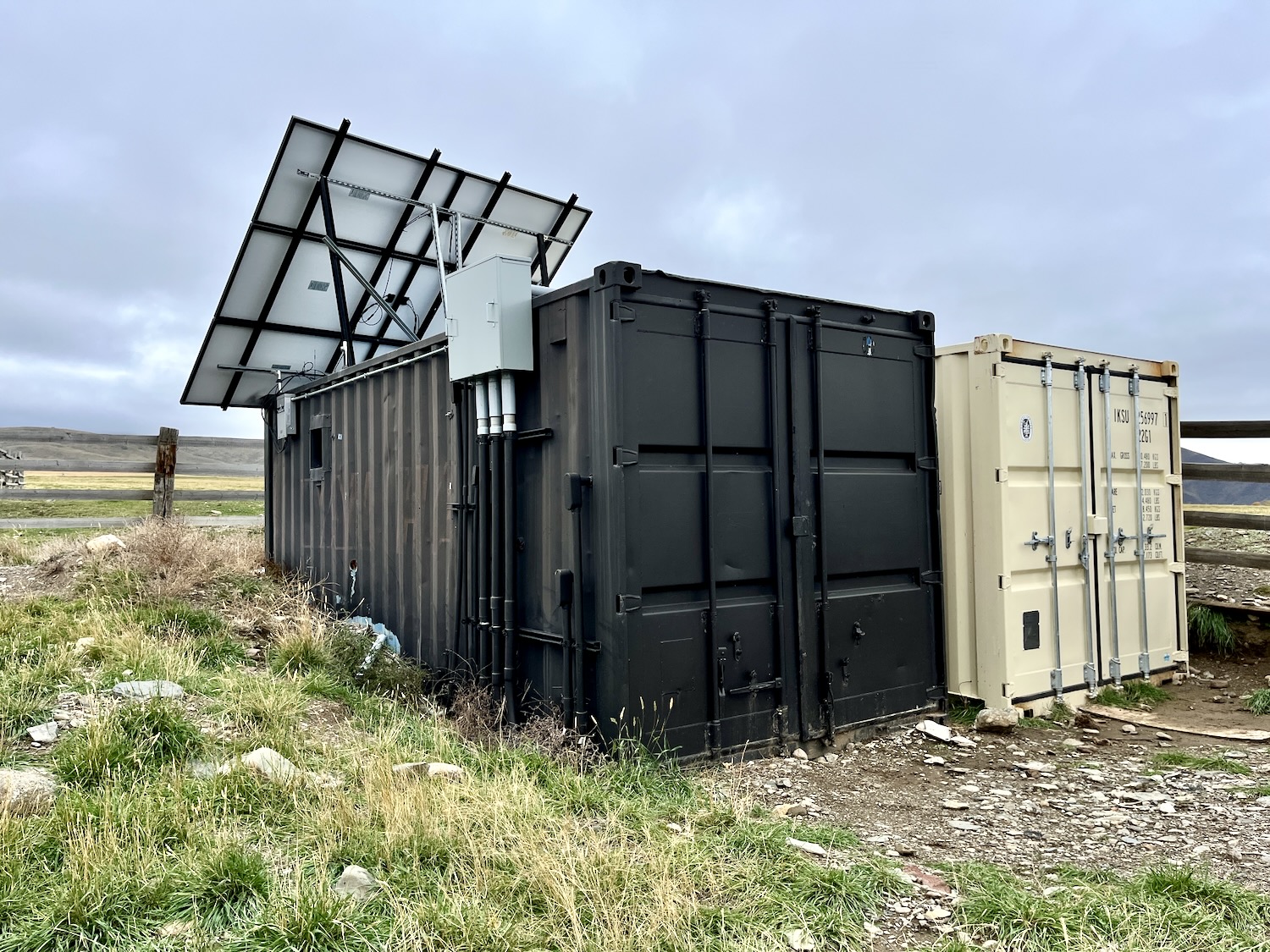
Intelligent data-controlled operation allows reduced fuel use
By default, solar energy supplies the ranch’s electrical loads and keeps the battery bank topped up. When solar energy availability drops, the Cerbo GX data communication hub – which monitors the state of charge of the lithium batteries – automatically starts the backup generator when the battery bank falls below a preset level.
This arrangement – often called a hybrid generator system- prioritises power supply to loads from battery-stored energy. Battery power is replaced as far as possible from solar energy – and the generator is used to make up any shortfall. Generator efficiency is maximised because it runs only when needed, and at its maximum rating.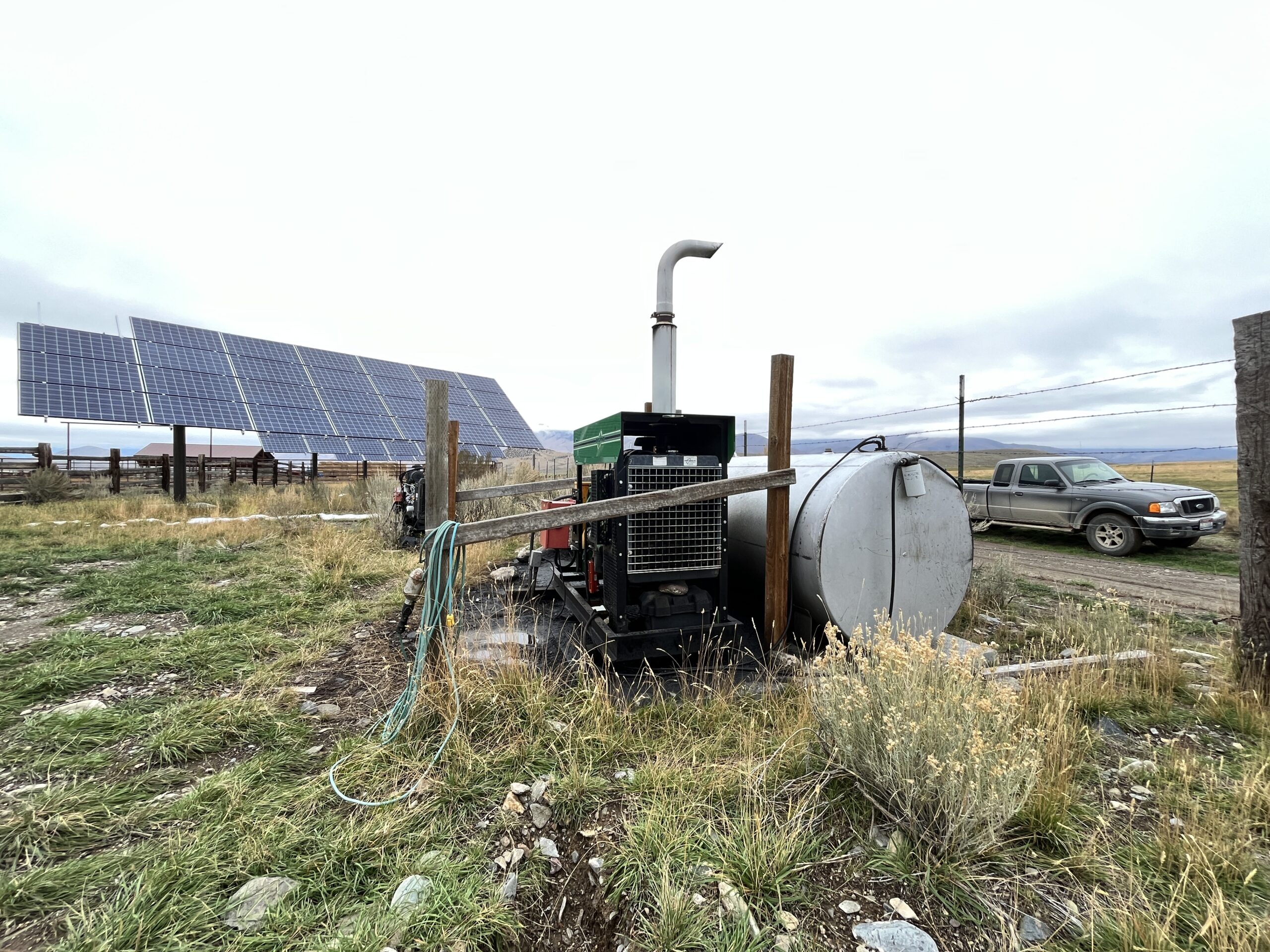
Reliability, Savings, and Peace of Mind
Wes estimates the new system saves the ranch approximately $10,000 per year in fuel costs. The increase in power availability has allowed an expansion of the accommodation at the main ranch house – delivering the conveniences of on-grid life without running the generators continuously.
Just as important is the time saved in day-to-day management.
“The system doesn’t need much attention,” says Wes. “Honestly, I’ve almost stopped checking it because we haven’t had problems.”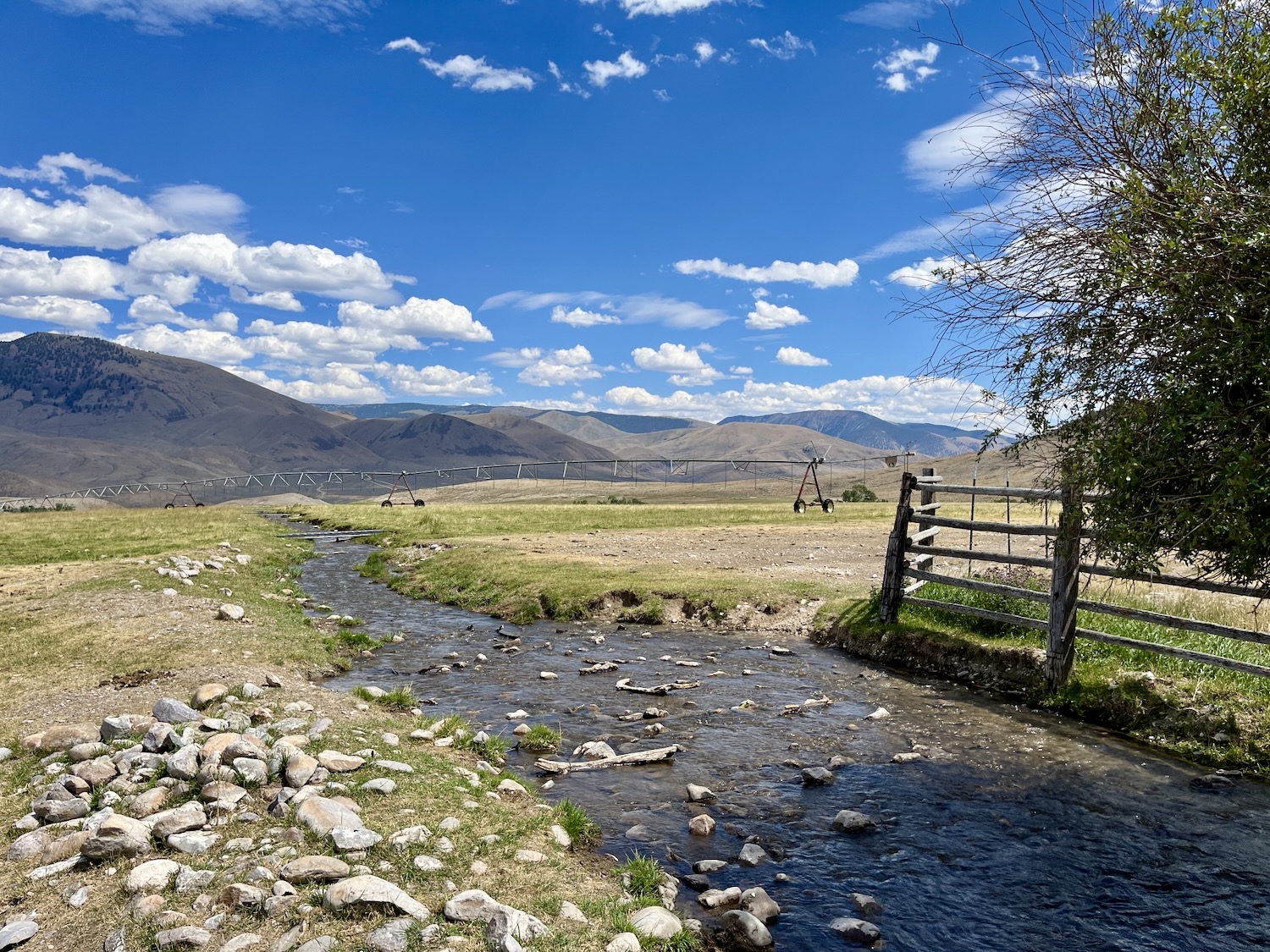
Victron Remote Management (VRM), allows ranch staff and installer Jason to monitor system performance remotely. During winter, Wes checks system status before turning in for the night. Jason can verify battery health, generator runtime, and system behaviour from his office.
“If something’s wrong, we will know,” says Jason. “…usually before it becomes a problem.”
Built for remote off-grid farming operations
For Mike King, system engineer at Intelligent Controls, who supplies and supports Jason’s installations, the project reflects a broader trend.
“Many farms and ranches in the western US are too remote for affordable grid access,” he says. “High fuel costs and reliability concerns are pushing operations toward hybrid solar systems. Victron’s flexibility, reliability, and remote monitoring make these systems practical—even in very remote locations.”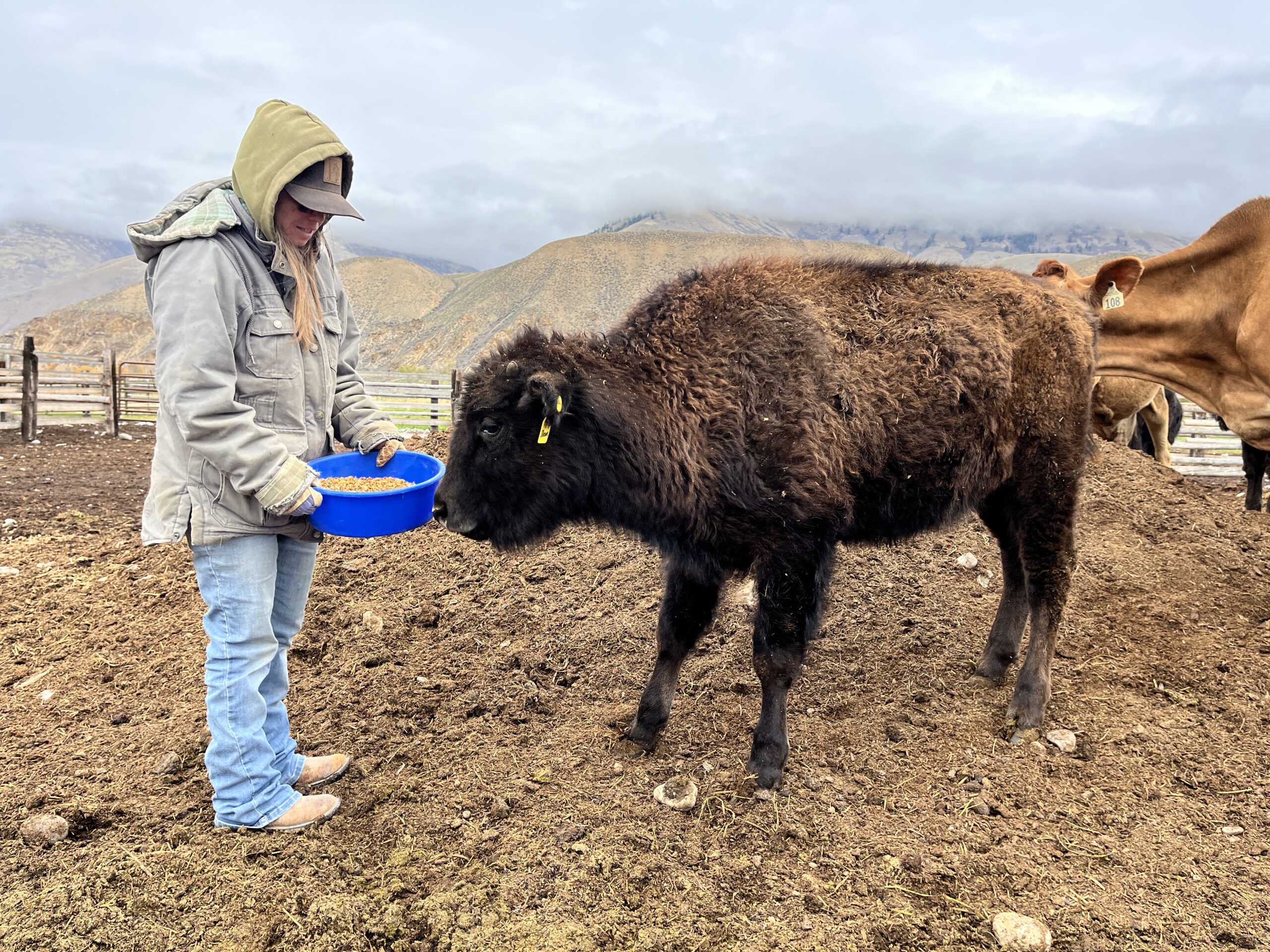
At Intermountain Bison, dependable power is no longer a limiting factor. With critical infrastructure secured and fuel dependence reduced, the ranch can focus on managing land and livestock—confident that the power system is doing its job quietly in the background.
Images used in this story are the work of © Dallin Maples